Tribal Appellate Court denies en banc review in Northern Cheyenne leadership dispute
The Northern Cheyenne Appellate Court has issued a ruling that further distances former President Gene Small from the tribal executive seat he has contested since his removal last year. In a decision released today, Judges Michael Monson and Adrian Miller denied a legal request from Small for an en banc review, effectively upholding a previous court order that granted constitutional authority to the tribe’s council.
Today, I met with President Small and the Northern Cheyenne Tribal Council to discuss key priorities and strengthen our partnership. pic.twitter.com/U3bTtYOe3Q
This ruling follows a period of intense political instability within the Northern Cheyenne leadership. According to reporting from buffalosfire.com, the legal battle centers on the legitimacy of the council and Small’s status as president. The dispute traces back to 2025, when Small ousted members of the tribal council. However, those ousted members eventually returned to power after a judge ruled their removal had been unlawful.
The current tension reached a breaking point on September 30, 2026, when the council officially removed Small from his role as tribal president. Small has refused to recognize the validity of that removal, leading to the current legal impasse. By denying the request for a three-judge en banc review, the appellate court has closed a significant legal avenue for Small’s challenge to the council’s authority.
Dual elections create split in Lame Deer
The legal deadlock is playing out in real-time through a fractured electoral process occurring today. While the Northern Cheyenne are holding a general election for the tribal council, the political divide has physically manifested in the tribe’s headquarters in Lame Deer, Montana.
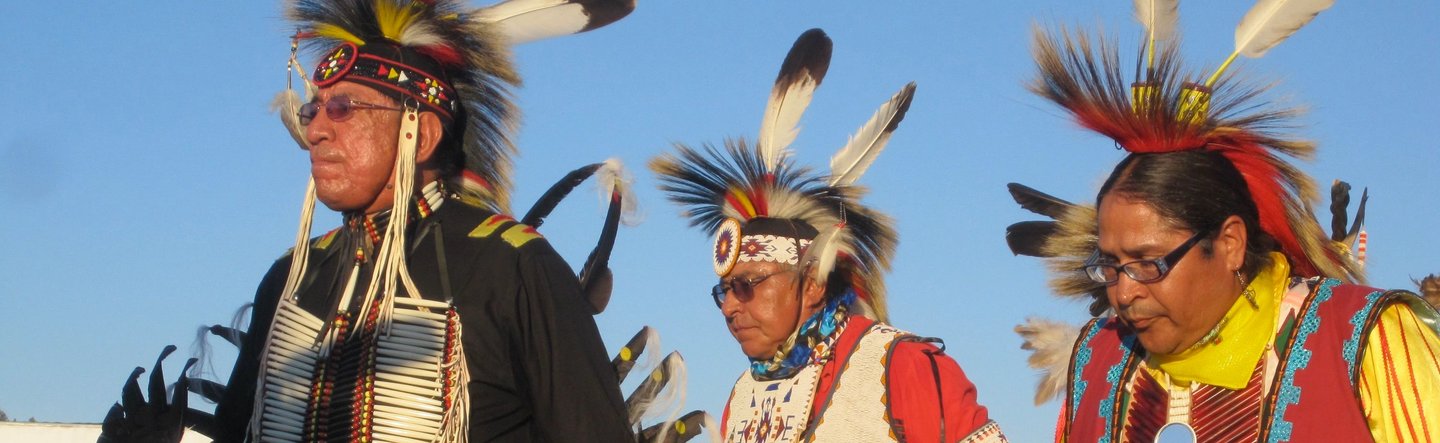
Small and his supporters are conducting a separate, parallel election at the headquarters, creating a direct confrontation between two different visions of tribal governance. This split election highlights the deep-seated disagreement over which body holds the legitimate mandate to lead the community and manage tribal affairs.
The stakes of this constitutional battle extend beyond individual leadership roles. The outcome of these simultaneous elections and the ongoing court decisions will determine the stability of the tribal government and its ability to execute administrative functions. For the residents of the Northern Cheyenne reservation, the question of who holds constitutional authority is no longer just a legal abstraction, but a practical reality affecting the direction of their community’s governance.
As the results of today’s conflicting elections emerge, the tribal court’s decision to uphold the council’s authority remains the primary legal benchmark for the legitimacy of the executive branch.
Related reading

Community 5K Celebration Set for Girls on the Run Wyoming
Girls on the Run Wyoming concludes fall season with 5K Celebration Run The fall 2026 season for Girls...
West Virginia HB 4195 Proposes Two-Year Cap on Electric Rates
West Virginia lawmakers move to freeze rising electric utility rates West Virginia residents facing skyrocketing monthly utility costs...
Forest Service Hires Seasonal Fire Suppression Staff in Olympic National Forest
Olympic National Forest begins hiring for 2027 seasonal fire suppression roles The U.S. Forest Service is opening applications...
Mark Warner projected to win reelection in Virginia Senate race
Democratic Senator Mark Warner Projected to Win Reelection in Virginia Democratic Senator Mark Warner is projected to win...