Northern New Mexico’s Seasonal Rituals and Market Traditions
As the air turns sharp in the high desert and the scent of piñon smoke begins to drift through the mountain passes, Northern New Mexico prepares for a holiday season deeply rooted in centuries-old tradition.
While commercial holiday guides often focus on the frantic pace of seasonal shopping, the reality of a New Mexico winter is defined by a slower, more deliberate rhythm. According to Postcards from New Mexico, the holiday season here is marked by a blend of Pueblo ceremonial life and vibrant community markets that emphasize local artistry over mass-produced goods.
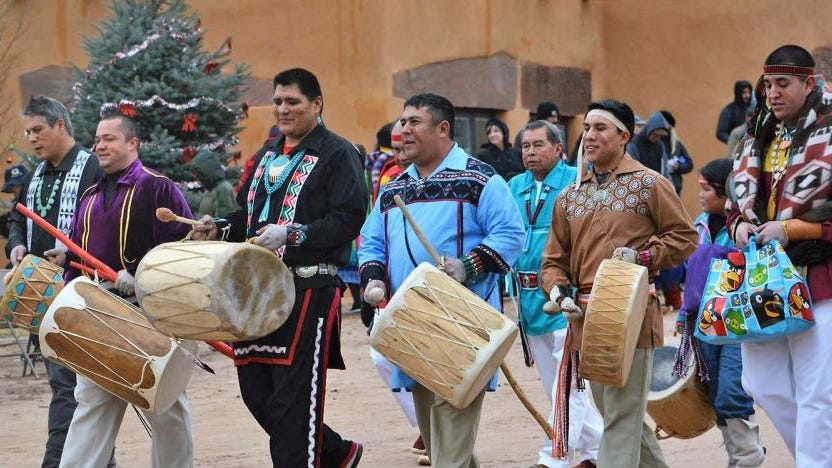
The core of the season lies in the ceremonial dances held at the Pueblos, which remain an integral, living part of community life. These events are not performances in the traditional sense, but acts of devotion that unfold in harmony with natural cycles like sunrise and sunset.
Visitors are welcomed as guests, provided they approach these spaces with the respect due to a sacred ceremony, as noted in the guide to Pueblo Feast Days. It is a common practice to contact the tribal offices directly to confirm schedules, as these events are rarely tethered to a rigid clock.
A Calendar of Cultural Observance
In December, several key dates draw residents and visitors to Northern New Mexico's cultural sites. The following events represent key moments in the local calendar:
- December 11: Pojoaque Pueblo observes Vespers, a procession, and dances beginning at 6 p.m.
- December 12: Our Lady of Guadalupe Feast Day at Pojoaque Pueblo, featuring Mass and traditional dances.
- December 24: Christmas Eve celebrations occur across most Pueblos, including midnight Mass, bonfires, and the notable bonfire celebration at Taos Pueblo.
- December 24–25: The Matachines dance is performed at Ohkay Owingeh.
- December 26: The Turtle Dance at Ohkay Owingeh and the Corn Dance at Santo Domingo Pueblo.
- December 28: Picuris Pueblo hosts children’s dances in recognition of Holy Innocents Day.
Beyond the Pueblos, the Santa Fe Plaza continues its 50-year tradition of reenacting the journey of Mary and Joseph. This procession, which concludes with carols at the Bandstand, serves as a bridge between the city’s historic roots and contemporary community life.
While the “devils” that once yelled down from the rooftops have long since vanished from the reenactment, the event remains a cornerstone of the season, complete with hot apple cider served under the Palace of the Governors’ Portal.
The Logistics of Canyon Road
For those visiting Santa Fe on Christmas Eve, the Canyon Road walk is arguably the most recognizable image of the local holiday. Hundreds of farolitos—sand-filled paper bags illuminated by candles—line the streets, creating a path that encourages community interaction. Postcards from New Mexico notes that the event often sees gallery owners and shopkeepers inviting attendees in for treats, turning a simple walk into a communal experience.
This popularity strains local infrastructure. Streets near Canyon Road are closed to vehicle traffic, and nearby parking lots reach capacity early. The most effective approach, according to local advice, is to arrive well before sundown or utilize the city’s transit system.
In past years, the Santa Fe Trails bus service has provided a link between the South Capitol Rail Runner Station and the Visitor Center, offering a necessary alternative for those looking to avoid the gridlock of the city’s narrow, historic streets.
Supporting the Local Creative Economy
The holiday shopping season in Northern New Mexico is less about global supply chains and more about the micro-economies of local artists and food entrepreneurs. The Poeh Center’s winter market at Pojoaque Pueblo is frequently cited as the largest two-day holiday art market in the region, offering a platform for Native artists to showcase jewelry, pottery, and textiles.
This focus on local commerce is echoed by New Mexico Magazine, which highlights the importance of supporting regional institutions like museums and non-profits during the giving season.
“Give the gift of time well spent: soaking under New Mexico skies, lingering over dinner, settling in for the night, and finding a little distance from the everyday,” suggests New Mexico Magazine in their 2025 gift guide.
For those seeking tangible gifts, the market is diverse. From the herbal remedies of Taos Pueblo-based Dancing Butterfly Naturals to the specialized kitchenware of the Santa Fe School of Cooking, the emphasis remains on products with a distinct regional identity.
The state’s official cookie, the biscochito, remains a high-demand item, with local producers like the Santa Fe Biscochito Company maintaining traditional, lard-based recipes that define the flavor profile of the Norteño holiday table.
This economic focus serves a dual purpose: it provides a livelihood for local artisans while preserving the craftsmanship that distinguishes Northern New Mexico from other tourism-heavy regions.
While some may argue that the commercialization of these markets detracts from their authenticity, the continued participation of juried Native artists and local food makers suggests a resilient model where culture and commerce exist in a symbiotic, if occasionally strained, relationship. As the year draws to a close, the region balances the quiet solemnity of its ancestral ceremonies with the necessary, communal activity of its winter markets.
Worth a look

Wisconsin Badgers Secure Bowl Eligibility With Win Over Rutgers
The Wisconsin Badgers secured bowl eligibility for the first time in three years following a 31-10 victory over...
Rich Rodriguez Addresses Defensive Issues After West Virginia Loss to Texas Tech
Rich Rodriguez Addresses Defensive Woes After 53-48 Loss to Texas Tech West Virginia Mountaineers head coach Rich Rodriguez...

Advocacy Groups Challenge Washington Transgender Sports Ban
Washington state is bracing for a high-stakes legal collision as advocacy groups prepare to challenge a controversial ballot...

Utah Utes Defeat BYU 28-20 in Rivalry Matchup After Second-Half Surge
Utah’s Second-Half Surge Overcomes BYU Morgan Scalley’s Utes claimed a 28-20 victory against BYU on Saturday, overcoming a...