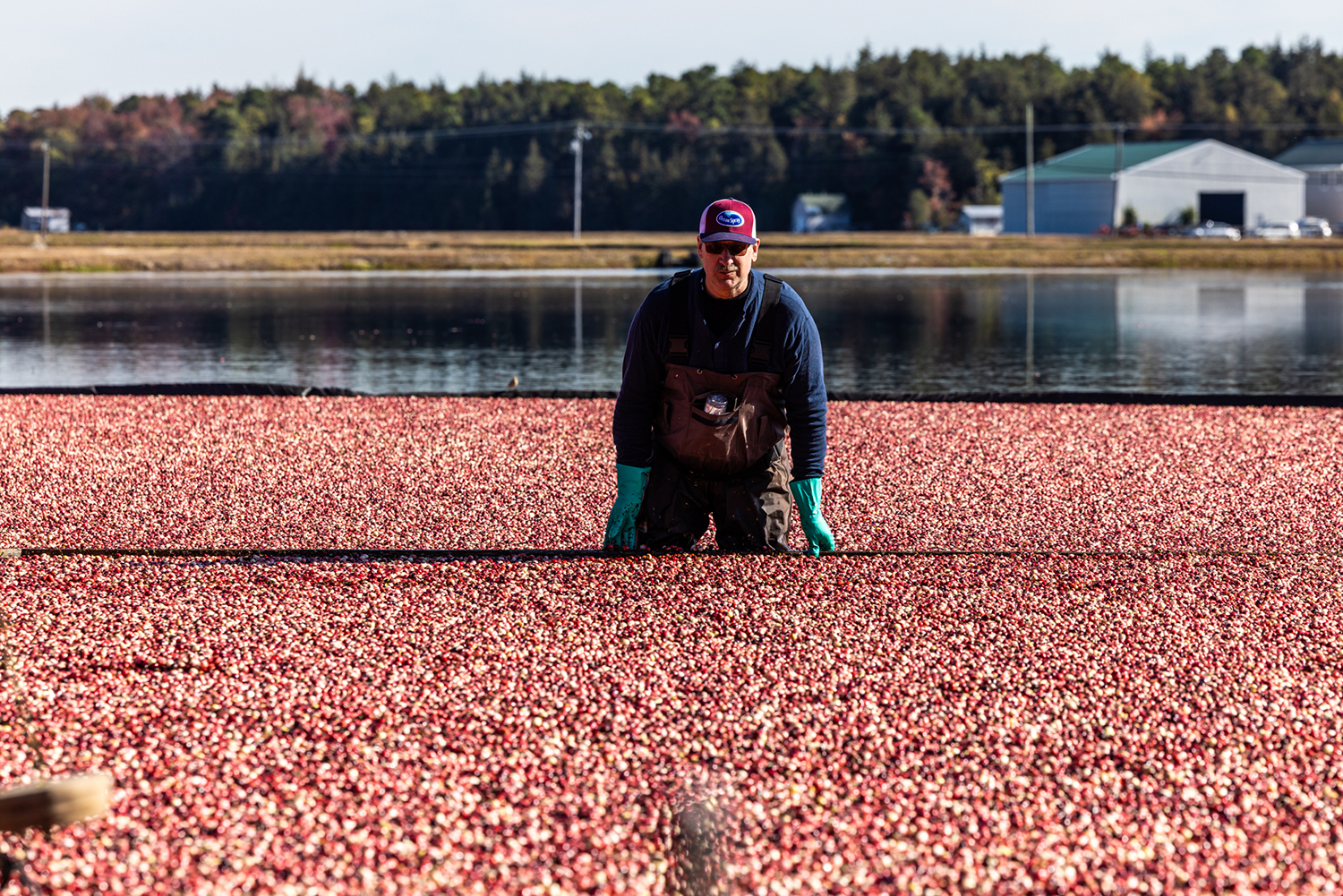
New Jersey’s cranberry farmers are adapting to a warming climate as rising temperatures and unpredictable weather patterns threaten the future of a crop that traditionally favors colder conditions. As the southernmost region for commercial cranberry production in the U.S., the Pine Barrens are becoming a testing ground for agricultural resilience.
The heat stress on Pine Barrens bogs
The cranberry harvest in South Jersey is a seasonal tradition, yet the logistics of the industry are shifting to match an evolving climate. According to the U.S. Department of Agriculture, the state’s cranberry industry accounts for roughly $20 million in annual production. For family-owned farms that have operated in the Pine Barrens for generations, the challenge lies in the fact that cranberries are naturally suited for the cooler climates found in places like Wisconsin or Quebec.
Shawn Cutts, a fifth-generation grower at Cutts Brothers, has been working on his family’s farm since 1997. He notes that the weather patterns he sees today differ significantly from the conditions described by his predecessors. The primary threat to the crop is extreme heat, which can effectively cook the berries while they are still on the vine.

When we get hot, dry days in the late summer, the berries can actually cook on the vines and it’ll ruin them.
Cutts said, highlighting how growers now carry meat thermometers into the fields to monitor berry temperatures. If the reading hits 108 degrees Fahrenheit or higher, farmers must deploy sprinklers to cool the crop.
Managing the risk of fruit rot
Beyond the immediate threat of heat damage, rising temperatures are creating a more hospitable environment for agricultural pathogens. WHYY reported that growers in New Jersey are dealing with increased instances of fruit rot, a fungal disease that thrives in the warmer, less predictable conditions now common in the region.
Unlike farms in northern production zones, New Jersey growers are often the first to confront these issues, forcing them to innovate to protect their yields. The process of harvesting remains labor-intensive, involving the flooding of sandy bogs and the use of specialized machinery to knock berries loose. As the crimson fruit floats to the surface, workers wade waist-deep into the water to guide the harvest toward conveyor belts.
This manual labor, combined with the precision required to manage temperature-sensitive vines, underscores the economic stakes for the region. While the industry is deeply rooted in the history of the Pine Barrens, its longevity depends on how effectively these family farms can mitigate the biological and environmental pressures of a changing climate.
The current harvest season, running from mid-September through November, remains a vital period for the state’s agricultural economy. As temperatures continue to trend upward, the methods used by growers to cool their bogs and prevent fungal outbreaks are likely to become standard practice rather than emergency measures.
Worth a look

Wisconsin Badgers Secure Bowl Eligibility With Win Over Rutgers
The Wisconsin Badgers secured bowl eligibility for the first time in three years following a 31-10 victory over...

Rich Rodriguez Addresses Defensive Issues After West Virginia Loss to Texas Tech
Rich Rodriguez Addresses Defensive Woes After 53-48 Loss to Texas Tech West Virginia Mountaineers head coach Rich Rodriguez...

Advocacy Groups Challenge Washington Transgender Sports Ban
Washington state is bracing for a high-stakes legal collision as advocacy groups prepare to challenge a controversial ballot...

Utah Utes Defeat BYU 28-20 in Rivalry Matchup After Second-Half Surge
Utah’s Second-Half Surge Overcomes BYU Morgan Scalley’s Utes claimed a 28-20 victory against BYU on Saturday, overcoming a...