The sound of wheels clacking on concrete fills a Kansas City high school gym, where three dozen athletes strapped into titanium chairs are whirling, speeding, and smashing into each other with the velocity of hockey and the flow of basketball.
The Wheelchair Kansas City Chiefs seek a three-peat victory against the Chicago Bears in the national championship, NPR reported. The matchup pits the defending champs against a Bears squad that has added a former Chiefs standout famous for once dislocating his own shoulder on a hit — then popping it back in to score the winning touchdown.
Chiefs center John Gilbert, a Paralympic gold medalist in basketball, says they’re poised to take a third consecutive national championship. Veteran Jason Loftiss, 44, describes the group as family — one that rolls from football straight into wheelchair basketball, then softball, then back to football again.
“It’s ’cause some of us, our legs don’t work or we’re missing part of them. Doesn’t mean we can’t compete and go out there and win games.”
Jason Loftiss, Chiefs veteran
Donte Hill, another Chiefs regular, puts it more viscerally: the best part is when sometimes they get a free hit, and they can just ram into someone as hard as they can.
Chicago arrives with a roster Move United commissioner Karalyn Ly calls “very closely matched.” The league, a fast-growing 15-team co-ed circuit funded and organized by the nonprofit Move United, will showcase women on the Bears’ side Saturday — a visibility Ly said the league is excited to highlight.
The former Chiefs star once hit an opponent so hard he dislocated his own shoulder, pushed it back into place on the field, stayed in the game, and scored the go-ahead touchdown. That grit now wears a Bears jersey.
“Yeah, I pushed it back in right there on the field, and I was in a ton of pain, but I kept playing.”
Riley Blee, Chicago Bears
The game is played seven-on-seven in helmets on a field roughly three times the size of a basketball court, marked out on concrete. Cuts, bruises, and broken bones are treated as routine occupational hazards. The pace is relentless; the contact is genuine. Loftiss calls it “super fast paced, aggressive, a lot of contact, which I absolutely love.”
For the athletes, the league represents something larger than hardware.
Worth a look
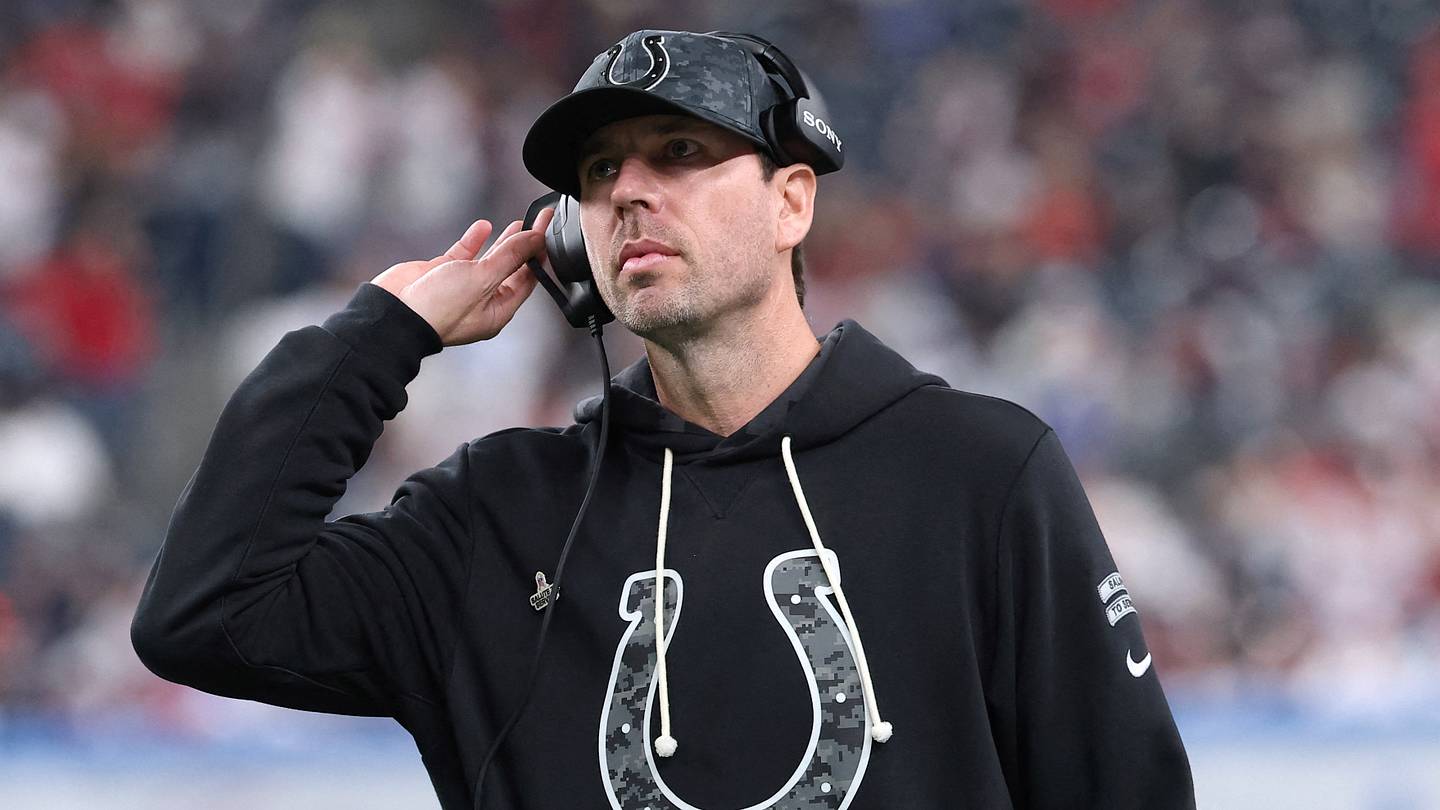
Mays Pitches Jets Trade for Colts Coach Shane Steichen
It is idea season for the New York Jets, that desperate stretch where a 2-8 record invites every...

Council Fails to Override Frey Veto on AI Data Center Rules Wonsley Says
"They have not proven to be of benefit to the well-beings of regular residents," Council Member Robin Wonsley...

Colorado School of Mines beat Seattle Pacific 34-30 on Saturday
Colorado School of Mines women's basketball erased a three-point deficit in the final five minutes to beat Seattle...

New London Man Nasir Cherry Dies in Fatal Shooting Investigation
A fatal shooting occurred in New London on Wednesday afternoon. New London police are still investigating the incident...