
Nigeria’s Creative Economy Faces Tax Formalization Mandate
The Nigeria Revenue Service (NRS) has signaled a shift in how it monitors the burgeoning creative sector, moving to pull digital entrepreneurs, influencers, and content creators into a formal tax framework. During the Creative Africa Nexus Weekend 2026 in Lagos, officials underscored that the transition from informal operations to registered business entities is no longer optional for those seeking to scale within the national economy. As msmeafricaonline.com reported, the agency is prioritizing the acquisition of Tax IDs and the maintenance of rigorous financial records as prerequisites for accessing government-backed incentives and securing corporate contracts.
The Bottom Line:
- Fiscal Thresholds: Companies with annual turnover below ₦100 million may qualify for zero Company Income Tax, provided they remain compliant with filing requirements.
- Investment Credits: A 5% tax credit is available for capital investments exceeding ₦250 million, specifically targeting infrastructure and production equipment in the creative sector.
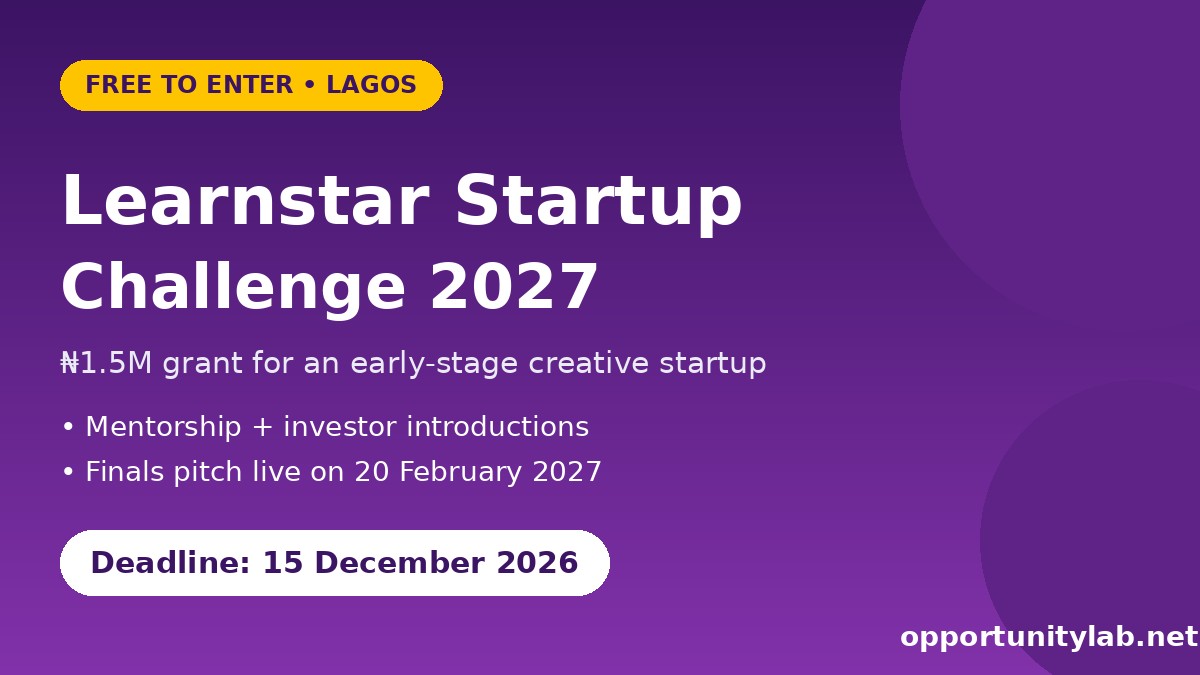
- Deadline Pressure: Startups targeting the ₦1.5 million Learnstar Startup Challenge grant must finalize their applications by December 15, 2026, ahead of the February 20, 2027, summit in Lagos.
The Shift Toward Regulatory Compliance
The NRS stance is clear: digital income—whether derived from YouTube monetization, TikTok ad revenue, or brand partnerships—is classified as taxable income from a trade or profession. By utilizing the official NRS taxpayer self-service portal, creators are expected to move away from personal bank account usage for business receipts. Simeon Onyegbula, an Assistant Director at the NRS, emphasized that entrepreneurs must retain invoices, ledgers, and expense receipts to validate their business status. This regulatory tightening aims to reduce the opacity of the creative economy, which has historically functioned through informal channels that often hinder institutional investment.
Capital Incentives and the Learnstar Opportunity
While the tax net widens, the NRS is simultaneously promoting incentives for businesses that formalize. The agency is positioning these tax reliefs as a catalyst for growth, offering exemptions on the 4% Development Levy for qualifying small companies. This strategy aligns with broader efforts to integrate creative startups into the formal financial ecosystem. As noted by echonews.ng, the Learnstar Startup Challenge 2027 provides a tangible entry point for founders. With a ₦1.5 million grant on the table, the competition requires applicants to present clear growth metrics, effectively rewarding those who have already adopted the professional record-keeping standards the NRS now demands.
Market Sentiment and Institutional Exposure
For the average creative entrepreneur, the transition to formal tax status represents a significant operational hurdle, requiring a move toward structured accounting and professional advisory services. However, the potential for “institutional credibility” is the primary trade-off. By registering with the Corporate Affairs Commission (CAC), creators can move beyond the limitations of personal accounts, opening doors to corporate contracts and investor capital that were previously inaccessible. Institutional sentiment suggests that as the creative economy matures, tax compliance will become the “Alpha Metric” for determining a startup’s long-term viability and creditworthiness in the eyes of lenders.

“The formalization of the creative economy is a necessary step for sustainable growth; businesses that fail to align with these regulatory frameworks face margin compression and limited access to the capital markets that will drive the next phase of sector expansion,” noted a senior analyst monitoring the West African emerging markets.
The Path to the Creative Exchange Stage
The upcoming summit in Lagos serves as a stress test for this new policy environment. With the Learnstar Startup Challenge offering a platform for five finalists to pitch on February 20, 2027, the event will likely highlight the friction between legacy operational habits and modern fiscal requirements. According to opportunitylab.net, the competition is open to startups across fintech, edtech, media, and content production. The requirement to present traction, user numbers, and revenue growth in a live pitch environment mirrors the rigorous standards expected by formal tax authorities. For many, the ability to successfully navigate these new reporting mandates will determine their eligibility for future institutional funding rounds.
As the NRS continues to roll out its Investment and Tax Advisory Hub, the immediate trajectory for the Nigerian creative sector is one of increased administrative burden paired with potential structural support. The era of the “informal creator” is effectively being phased out in favor of a more transparent, taxable, and scalable business model. The impact on the individual creator’s bottom line remains to be seen, as the cost of compliance must now be weighed against the tax reliefs offered to those who maintain impeccable financial records.
Disclaimer: The information provided in this article is for educational and market analysis purposes only and does not constitute financial, investment, or legal advice. Always consult with a certified financial professional before making investment decisions.
Worth a look
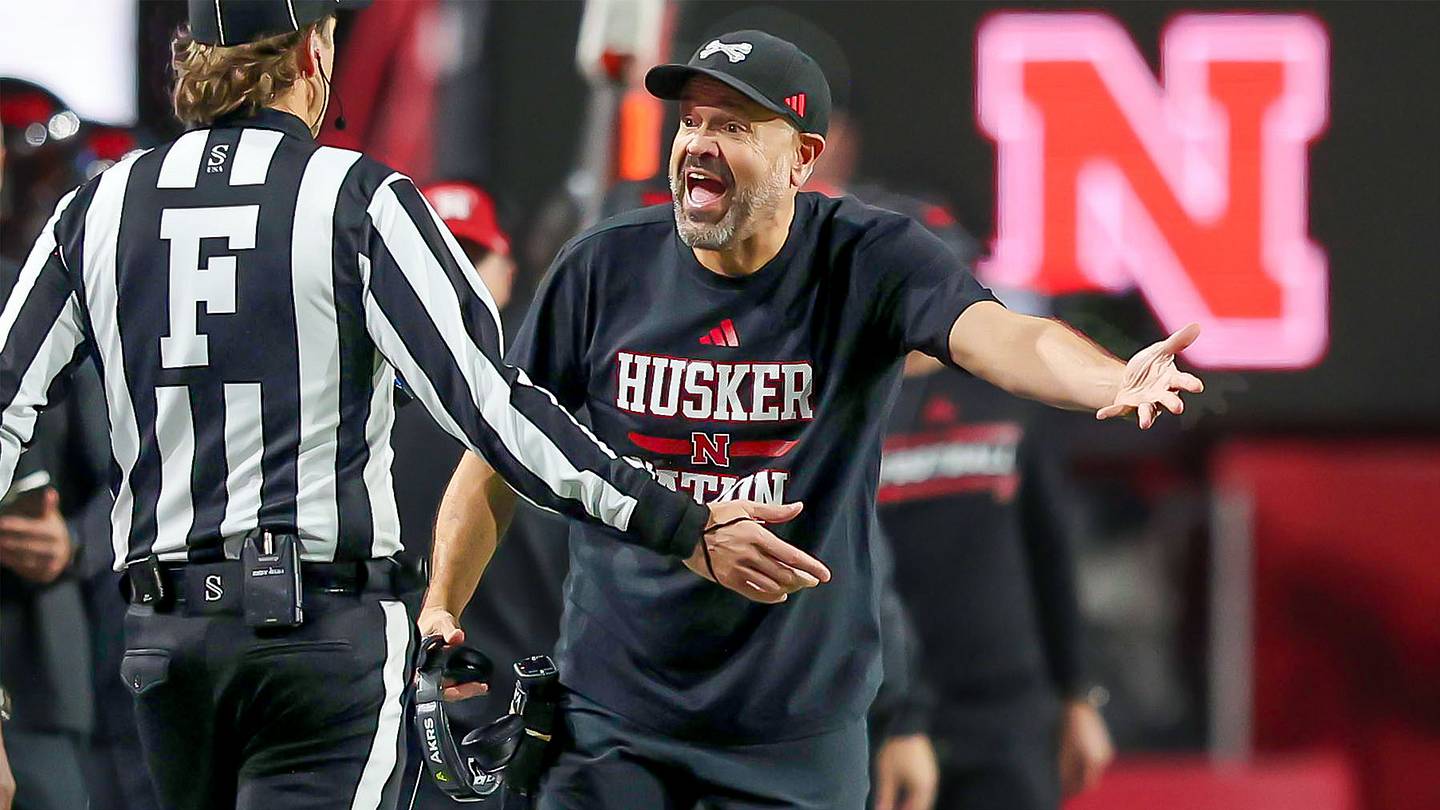
Nebraska loses to Washington after late-game execution failures
The Recurring Nightmare at Memorial Stadium Nebraska’s 17-10 loss to Washington on Halloween night felt less like a...

Kirkwood Council Uses Independent Counsel to Audit Electric Deficit
Kirkwood City Council Moves to Insulate Electric Utility Audit Kirkwood’s elected leaders are taking a definitive step to...

Mississippi Senate race margin tightens as ballot count remains unknown
In Mississippi’s U.S. Senate race, the contest between incumbent Republican Senator Cindy Hyde-Smith and Democratic challenger Scott Colom...
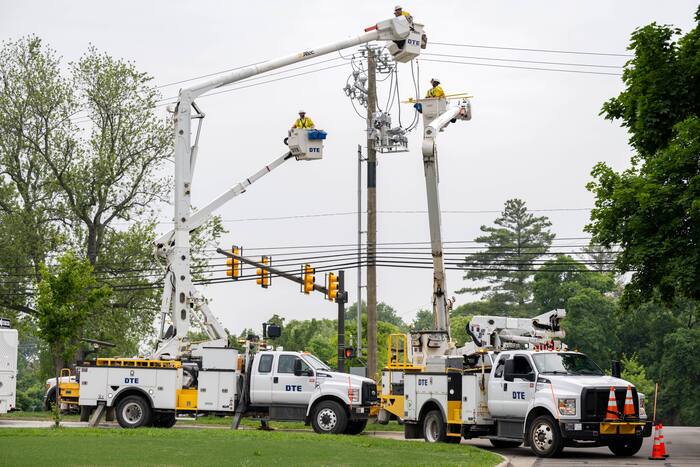
Michigan Utilities File Federal Lawsuit Challenging New Campaign Finance Law
Michigan Utilities Launch Federal Challenge to Voter-Approved Campaign Finance Law The ink was barely dry on the results...