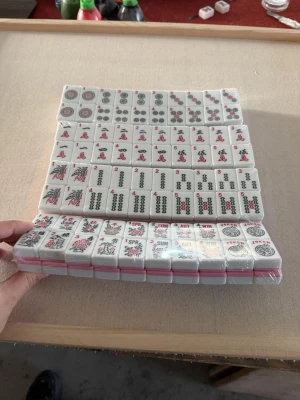
The rising popularity of American mahjong has sparked cultural friction as the game—which features distinct rules and tiles—increasingly overshadows its traditional Chinese predecessor, leading to documented anger and misunderstanding among players.
While often grouped under the same name, the American and Chinese versions of mahjong are distinct games. According to a report published by The New York Times on November 22, 2026, the American version of mahjong has become more visible, causing the traditional Chinese game to recede into the background.
For many, the word “mahjong” now calls up the American form, creating a sense of frustration among those who hold the older version dear.
The tension is framed as a cultural issue rather than a simple competitive rivalry. Players of the traditional game feel that their heritage is being obscured by a version that has been adapted and popularized far from its point of origin. This friction has fueled instances of anger and cultural misunderstanding, with observers noting that the dispute may evolve into a broader debate regarding the cultural ownership of traditional games.
“American Mahjong Eclipses Its Chinese Origins, Sparking Cultural Friction.” American Mahjong Eclipses Its Chinese Origins, Sparking Cultural Friction" traditional Chinese game said The New York Times
Technical Differences and Historical Growth
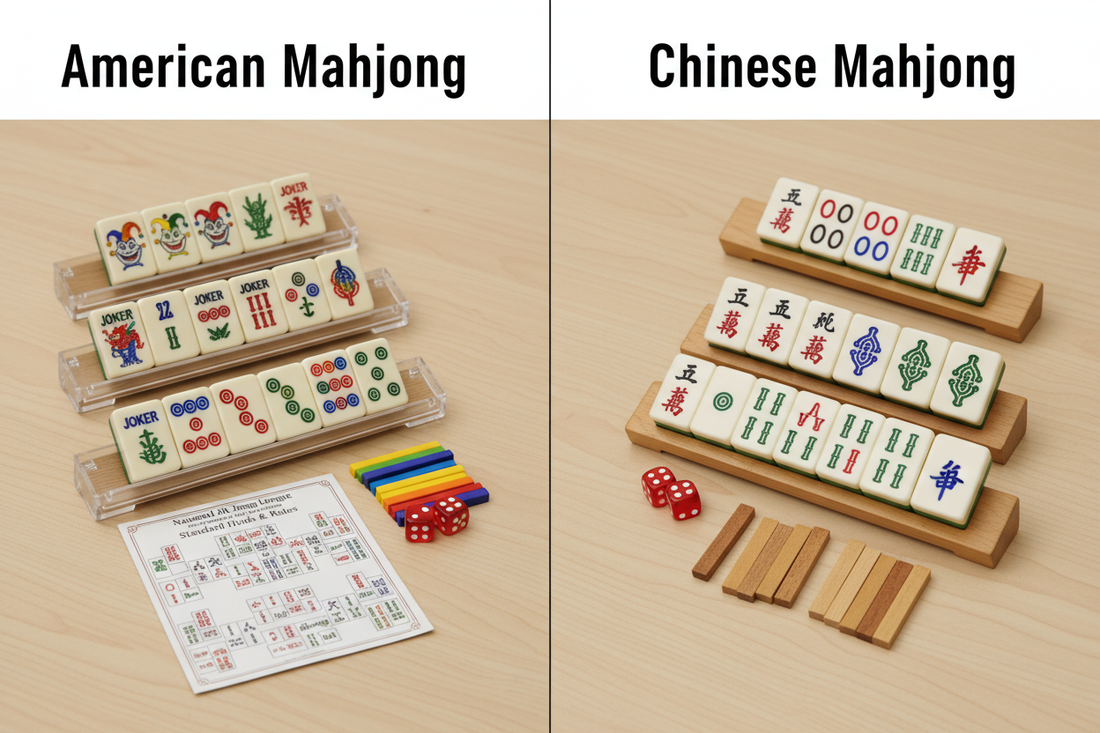
The two versions differ significantly in their components and gameplay mechanics. While traditional Chinese mahjong sets typically include 144 tiles, American sets are larger, containing 166 tiles. These American sets include additional joker tiles and feature Roman letters and Arabic numerals for players who cannot read Chinese characters.
The American version traces its roots to 1937, when a group of women in New York City formed the National Mah Jongg League. The league aimed to simplify and standardize the rules of the Chinese game, eventually creating the variant often referred to as “maahj.”
The organization has since grown to include more than 350,000 members. Another key distinction in play is the use of racks, which are a standard feature in American mahjong but are not always employed in the Chinese version.
Unfolding Disputes
Despite the growing visibility of the American game, there is no centralized data on the number of active players for either version or the specific locations where these disputes are most frequent.
The current rivalry remains an open question, with observers watching to see if the existing tension between the two communities will escalate. For now, the divide remains a matter of both the table and the identity of the game itself.
Worth a look

Trump, Xi, and Putin Held Trilateral Talks in Shenzhen on Thursday
Donald Trump, Xi Jinping, and Vladimir Putin held historic trilateral talks in Shenzhen, China, on the sidelines of...

“But right now, I would do it again, even tomorrow,” said Ismael Ox, the Para-taekwondo athlete
But right now, I would do it again, even tomorrow, said Ismael Ox, the Para-taekwondo athlete who lost...

Rutte Calls Russian Missiles in Poland a Grave Violation
Two Russian Kh-101 cruise missiles and a jet-powered drone crashed inside Poland early Friday during Moscow's largest aerial...

Jury Convicts Four Men in Organised Drug-Facilitated Sexual Assault Case
A jury at Winchester Crown Court convicted four men Thursday of sexually abusing Joanne Young while she was...