
Ohio Senate Republicans have effectively stalled a bipartisan legislative effort to end child marriage in the state, opting to maintain current statutes that permit 17-year-olds to marry under specific judicial oversight.
The decision followed a closed-door caucus meeting on Wednesday, a move that bypassed a floor vote and effectively shelved the proposal for the remainder of the lame duck session, as reported by Newsweek.
The push to raise the minimum marriage age to 18 had garnered support from both sides of the aisle, including Republican state Senator Bill Blessing and Democratic state Senator Bill DeMora. Despite this alignment, the bill—which would have eliminated the existing loophole—failed to advance.
“I'll try again next General Assembly, but obviously I'm disappointed,” said state Senator Bill Blessing, a Republican who co-sponsored a bill to unilaterally raise the legal marriage age in the state to 18.
The Legal Threshold for Minors
Under current Ohio law, individuals aged 17 may marry provided they are no more than four years older than their partner, wait a mandatory 14-day period after applying for a license, and receive approval from a juvenile court. Before these standards were implemented in 2019, state law permitted the marriage of children of any age, provided there was parental consent and evidence of pregnancy, according to reporting by urgent.news.
Advocates for the reform argue that the current framework is insufficient and leaves minors vulnerable to exploitation. According to data from the Ohio Department of Health cited by Unchained at Last, more than 5,000 minors were married in Ohio between 2000 and 2024. A separate investigation by the Dayton Daily News identified 4,443 girls aged 17 and younger who were married in the state between 2000 and 2015, a figure that included 59 individuals who were 15 or younger.
“Are Ohio Senate Republicans really not embarrassed to say out loud that the current law, allowing 17-year-olds to be subjected to a human rights abuse, is ‘sufficient?’”
— Fraidy Reiss, founder and executive director of Unchained At Last, in a statement to Newsweek.
This week, we joined survivors, advocates and lawmakers at the Ohio Statehouse to urge the Senate to pass SB 341 before the session ends. The bill would end child marriage in Ohio by setting the minimum marriage age at 18, no exceptions. pic.twitter.com/zTlG2XxNBl
The Human Cost of Legal Loopholes
Opponents of the current law emphasize that marriage often serves as a mechanism for emancipation that leaves minors without critical adult protections. Because a marriage technically grants adult status, minors who enter these unions often find themselves unable to access domestic violence shelters, hire legal counsel, or initiate divorce proceedings without the very resources they are barred from obtaining until they reach 18.
Survivor testimonies highlight the long-term consequences of these legal barriers. Stephanie Lowry, who was forced to marry at 16 after becoming pregnant, described the experience as a “trap” that left her homeless and legally tethered to an abusive partner.
Similarly, Stephanie Lane shared her experience of marrying a 31-year-old man at age 16, detailing two decades of emotional, financial, and sexual control that she attributed to the state’s failure to protect minors from such unions, Newsweek reported.

Stalled Momentum in the Statehouse
The legislative impasse has sparked friction between lawmakers who view the ban as a moral imperative and those who maintain that the current system is adequate. While some Republican senators reportedly cited the potential impact on Amish and Mennonite communities during deliberations, there has been no public evidence presented to suggest that these groups oppose setting the minimum marriage age at 18.
Democratic state Senator Bill DeMora has pledged to continue the fight, suggesting he will offer the language of the bill as an amendment to other legislation throughout the remainder of the lame duck period.
Allison Russo, a Democratic co-sponsor in the Ohio House, said that the lack of public testimony against the bill during five Senate hearings made the opposition’s silence particularly difficult to parse. As it stands, any legislation not passed by the end of the year must be reintroduced from scratch in the next session, leaving the current law firmly in place.
More on Ohio Senate Republicans
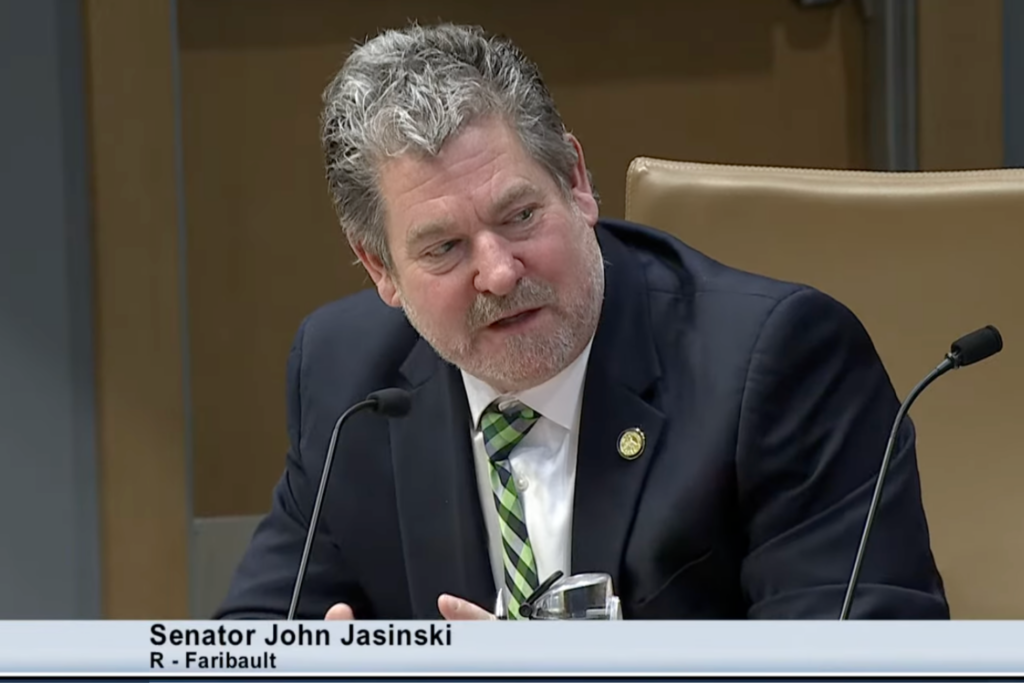
Sen. John Jasinski Urges Fiscal Restraint Under New Democratic Trifecta
In a column for Minnesota Senate Republicans, Sen. John Jasinski argued that the incoming Democratic trifecta at the...

Black Friday Hotels 2026 in Sierra Nevada | Meliá
Travelers looking to hit the slopes in the Sierra Nevada this winter are seeing a surge in promotional...

Providence Sacred Heart Revamps Hospital Dining With Chef-Driven Menus and Regional Ingredients
Providence Sacred Heart Medical Center is moving away from the "stodgy" reputation long associated with institutional food, shifting...

Dejounte Murray Trade Market Lukewarm as Suns Show Limited Interest
Dejounte Murray’s request for a trade from the New Orleans Pelicans has hit a major obstacle, as league-wide...