
Ohio State undergraduate student government president Chris Cade was honored as a 2026 Emerging Leader at the Who’s Who in Black Columbus 20th anniversary celebration Tuesday night in the Archie M. Griffin Grand Ballroom at the Ohio Union.
The event drew more than 400 attendees to recognize 385 Black honorees across the city, including 29 other Emerging Leaders selected for community-building and fresh perspective in their fields, The Lantern reported. Real Times Media, which owns the national Who’s Who in Black franchise alongside publications such as the New Pittsburgh Courier and the Chicago Defender, has celebrated Black achievement for over 30 years in more than 30 cities.
“I feel like the things I’m doing in student government are a super hyper-local level of representation,” Cade said. “It’s not something that I thought I’d be noticed for in any other circle outside of university, so it felt really, really good.”
Cade, a third-year student studying public policy analysis, political science and public policy and management, opened the program by welcoming the crowd to campus. “We have a room full of trailblazers here tonight, a room full of people who went first,” Cade said.
“To those who went first, thank you for what you made possible. And to everyone being recognized tonight, I hope you get a moment to think about who down the years will open up one of these books and see you and your story and decide that they can do it too.”
Hiram Jackson, chief executive of Real Times Media, framed the publication’s mission in blunt terms. “I have the great pleasure of meeting people like you all around the country,” Jackson said.
“Black people who love black people, who work hard every day, get up, play by the rules. They do everything that our community asks us to do, and still, sometimes they’re not seen or they’re not heard.”
“Our normal is excellence,” Jackson said. “This is our normal. And publications like Who’s Who in Black Columbus and the rest of these publications, that is the purpose that we serve to tell your story. So please keep doing the work that you’re doing. Keep striving for excellence.”
Cade said he intends to use the visibility to push for a campaign promise that has yet to fully materialize: raising student wages. “I figure I’m really going to try and leverage this to talk about student wages because that is what I campaigned on,” Cade said.
“It’s an issue that we still face. Students are underpaid for the level of work that they’re doing. I’m getting a lot of movement on that, but I need more people to know.”
His advocacy has already extended beyond campus borders. Over the summer, Cade testified before Columbus City Council on zoning changes in the University District aimed at expanding student housing supply, an issue he said he hears about constantly from constituents.
“I went before city council, talking about zoning in the University District area and trying to get more housing because that’s an issue that I continuously hear about from students,” Cade said.
He argued that individual grievances often reflect broader, organizing potential. “It all starts with a conversation,” Cade said. “There are probably at least 10 other people who feel the same way about any given issue, and that right there is a coalition.”
That network logic, he said, compounds until the reach of a single organizer expands far beyond the original circle. “I think what a lot of people miss out on is they think that their issues are too small to bring up, but no issue is ever too small,” Cade said.
Real Times Media, founded in January 2003 by a consortium of Chicago and Detroit business leaders, acquired the historic Sengstacke Enterprises newspaper chain — including the Chicago Defender, established in 1905 and a driver of the Great Migration — for nearly $12 million. In 2009, the company purchased Who’s Who Publishing Company of Columbus, Ohio, which produces biographical and networking guides for African American businesspeople in 25 cities nationwide.
Cade was elected USG president in the spring on a platform of accessibility, aiming to make student government more approachable for the undergraduate body, according to prior Lantern reporting.
Worth a look
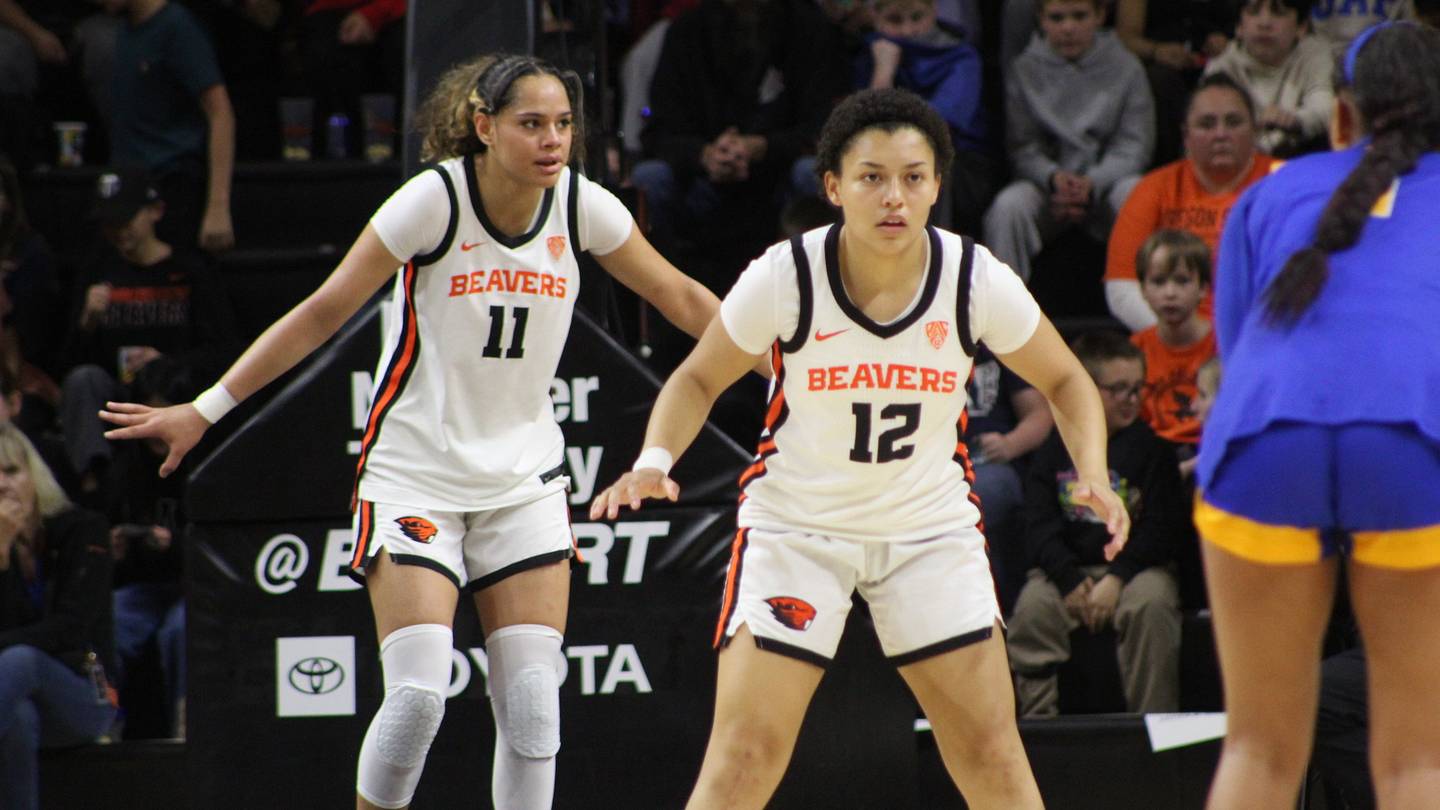
Oregon State Scrapes Past UC Riverside 64-57 at Gill Coliseum
Oregon State scraped past UC Riverside 64–57 on Wednesday afternoon at Gill Coliseum, leaving the Beavers 3–2 on...
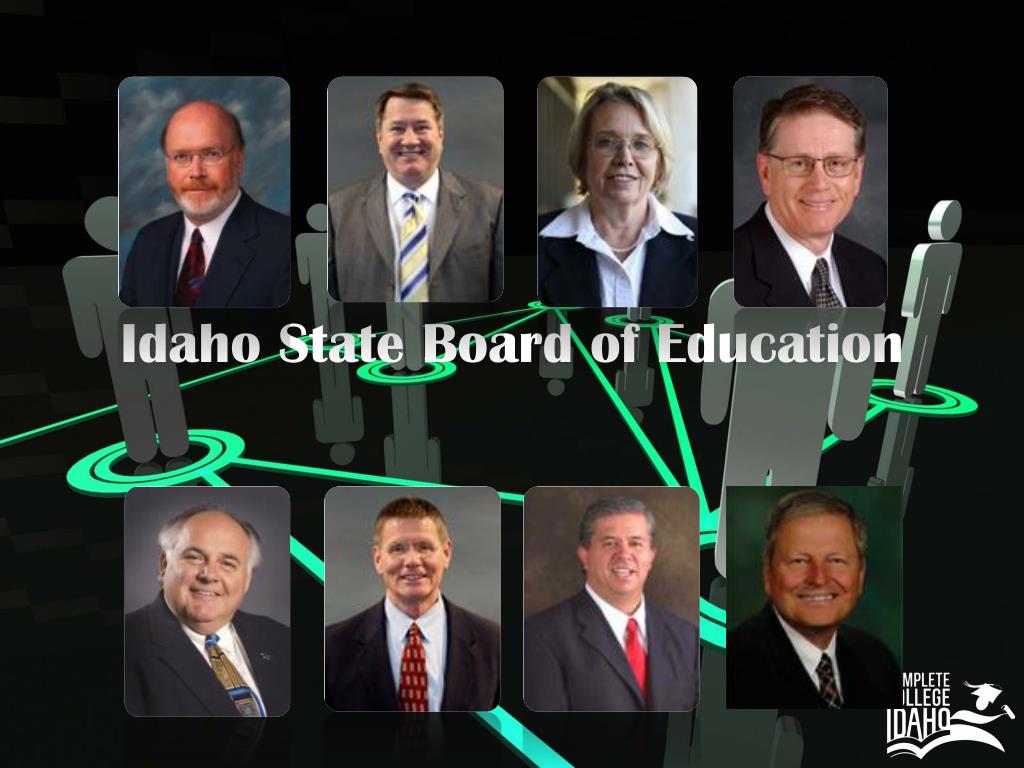
Idaho Working Group Recommends Lottery, Loans, Asset Monetization for College Sports Funding
Idaho’s four public universities are staring down an $18 million hole at Boise State alone, and the governor’s...

Arkansas DC Ron Roberts: Stopping Run Is ‘Surprisingly Simple’ Key to Slowing Arch Manning, No. 5 Texas
Arkansas defensive coordinator Ron Roberts has a surprisingly simple recipe for slowing down Arch Manning: stop the run...
Dorothy Louise Holston, 71, Atglen Educator and Valley Baptist Church Member, Dies November 12, 2026
"To be absent from the body is to be present with the Lord," the family of Dorothy Louise...