Voters Turn Back the Tide on Data Centers in Ohio’s Miami Valley
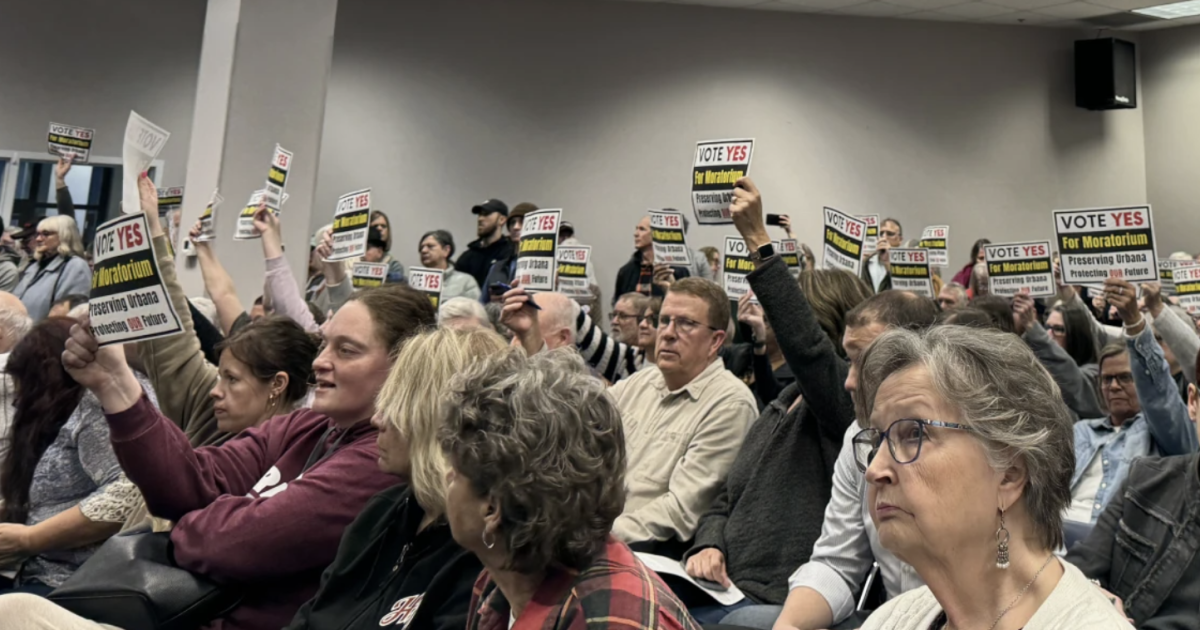
“The results turned out the way that they did because the people getting up to that podium in front of us had been ignored, made fun of, treated horribly,” said Piqua City Commissioner Paul Simmons. That sentiment, echoed by residents across three communities, translated into a powerful civic rebuke this week. In a decisive display of local will, voters in Piqua, Urbana, and Wilmington, Ohio, used the ballot box to slam the brakes on massive data center projects that had been fast-tracked by local governments, WYSO reported.
These weren’t just minor procedural changes. We’re talking about a $1 billion Meta facility in Piqua, a $50 million settlement offer from Thor Equities in Urbana, and a multi-billion dollar proposal from Amazon that loomed over Wilmington. In each case, the public response was the same: a firm no. The outcomes signal a significant shift in the balance of power between big tech development and local communities, raising profound questions about economic promises and the right to determine a town’s future.
Piqua’s Rejection of the Meta Project
The most stunning victory for the anti-data center movement came in Piqua, where voters didn’t just reject a proposal—they rewrote the city’s rules to block it. Residents approved a charter amendment to ban the construction of data centers larger than 25 megawatts of peak power demand. The vote directly targets the massive Meta data center, a $1 billion project being developed by J5 on 600 acres of city-owned land.
This political earthquake comes just one year after the Piqua city commissioners approved the Meta project through an emergency vote, a maneuver that allowed them to bypass the standard three-readings requirement for ordinances. The public backlash was immediate and fierce. Three of those commissioners were recalled on the same day as the election. The city’s public information officer was blunt about the uncertainty ahead, telling WYSO, “It is unclear at this time if and how this Charter amendment may affect the Meta data center project currently underway.” The legal and financial ramifications of this clash between a voter-approved ban and an already-approved project are now the central drama in Piqua.
The $50 Million Gamble in Urbana
Over in Urbana, the fight against data centers has been raging for months, playing out in city council meetings and federal court. The city’s voters delivered a clear message, approving a charter amendment to ban data centers larger than 7.5 megawatts. This move was aimed directly at the Urbana Technology Hub, a 460,000-square-foot proposed data center from real estate developer Thor Equities.
The situation is extraordinarily complex. Thor Equities is locked in a state appeal and a federal lawsuit with the city, claiming that zoning code changes and a data center moratorium would’ve made its project ineligible after its site plan was proposed. In a dramatic move, Thor offered a lifeline: a $50 million payment to the city across construction phases if it would allow the project to proceed. “This agreement reflects our commitment to being a responsible community partner and making meaningful investments that will benefit Urbana for generations to come,” said Melissa Gliatta, global chief operating officer of Thor Equities.
The city council, however, has balked, delaying a vote on the settlement three times. The stakes are immense. If Urbana continues the fight, it could be liable for more than $100 million in damages. For residents like Nicole Nawman, who started the petition to get the ban on the ballot, the vote was a powerful statement of self-determination. “We’re gonna tell you more times than we have to that we do not want this. And that also became very clear last night with the number of voters that came out to say so,” Nawman said. As of now, the effect of the new ban on the pending lawsuit and the $50 million offer remains a complete unknown.
“I look at the referendums as being sort of a tourniquet on a bleeding wound, and it was addressing the issue that was immediately in front of us.”
Wilmington Hits the Brakes, but Not Full Stop
Wilmington took a slightly different approach, opting for limits rather than an outright ban. The city’s ballot featured four separate referendums aimed at reversing a February 19 city council decision. That decision had rezoned 545 acres near U.S. 68 from rural residential to light industrial, a move residents strongly suspected was paving the way for an Amazon data center project on adjacent land.
Voters overwhelmingly agreed with the referendum effort, effectively repealing the rezoning. “I look at the referendums as being sort of a tourniquet on a bleeding wound, and it was addressing the issue that was immediately in front of us,” said Quintin Koger Kidd, who led the local effort. While this is a major win for residents, it’s not a final victory. Kidd and others tried to get stricter data center regulations on this year’s ballot but were blocked by the Ohio Supreme Court, which ruled a specific clause in their proposal was unenforceable. Undeterred, Kidd says they plan to collect signatures again for the next eligible ballot, adjusting the language to meet the court’s requirements.
Across these three Ohio cities, a clear pattern has emerged. When large-scale data center proposals are met with perceived secrecy, rushed approvals, and a dismissal of public concern, the political backlash is swift and decisive. The message sent on November 5th is that the era of unchecked data center expansion in the Miami Valley may be over. The fight, however, is far from finished. Legal battles, financial threats, and the looming shadow of corporate giants like Meta and Amazon mean the next chapter in this story is still being written.
Keep reading

Wisconsin Democrats gain full control, MPS hit by fraud
A $450,000 Fraud Hits Milwaukee Schools as Democrats Take Full State Control Wisconsin’s political control shifted this week,...

Washington Voters Ban Trans Girls From School Sports
Washington Voters Ban Trans Girls From Girls' Sports Teams Washington state voters have approved a ballot measure that...

Joanna White’s Charleston Estate Sale Business Thrives
A Childhood Love of Treasure Hunting Blooms Into a Charleston Estate Sale Empire Just half an hour after...

Reliable HVAC Services in Richmond, KY | Heating & Cooling Repair
Richmond's HVAC Lifeline: More Than Just Comfort, It's the Engine of a Community When the mercury plummets or...