A 40% Hunger Rate on Campus: How One Professor’s Past Is Shaping Vermont’s Future
It’s her memory. Today, as an Assistant Professor at the University of Vermont, she holds a mirror to a reality that two in five college students in her state are facing: food insecurity. According to her published research, a staggering 40% of Vermont’s college students reported lacking reliable access to enough food in 2025-26.
This isn’t just about empty stomachs. Bhurosy, a nationally recognized researcher in nutrition and food sciences, understands this crisis not just from data, but from lived experience. She faced food insecurity as a child and again as an international graduate student, often stretching a few dollars into weeks’ worth of meals on staples like rice and beans.
“I faced food insecurity several times in my life,” she said. “As a child, and then again as an international graduate student.”
Her research, detailed in the study “Hungry for equity in the Green Mountain State: food insecurity among college students in Vermont,” reveals that the problem is not evenly distributed. It hits specific groups with devastating force. Students who are Pell Grant recipients, first-generation students, single parents, international students, and members of the LGBTQ+ community are disproportionately affected, with rates hovering between 52% and nearly 69%.
The Hidden Complexity of Hunger
Bhurosy’s work cuts through a common misconception: that food insecurity is simply about a lack of money. Her research, which includes reviewing medical records during a postdoctoral fellowship, shows a more tangled web of barriers. She explains that it can also be about transportation, a lack of culturally familiar foods, limited cooking facilities, or geographic isolation. This understanding fuels her focus on “nutrition equity”—building systems that ensure everyone has access to the nourishment they need, regardless of their circumstances.
“Food insecurity can show up in so many different ways,” she explained. “Transportation barriers, lack of culturally familiar foods, limited cooking facilities, and geographic isolation can all make it difficult for people to access the nourishment they need.”
This complexity is starkly illustrated in her finding that fewer than 20% of cancer patients received nutrition counseling as part of their care. For Bhurosy, an Associate Member of the Vermont Cancer Research Center, it was a startling example of how a fundamental aspect of health is often overlooked. Her research emphasizes a collaborative approach: listening directly to the communities affected and designing solutions with them, not simply for them.
“I really believe the best research questions come from asking the people who have lived experiences about the issue,” she said.
From Research to Real-World Action
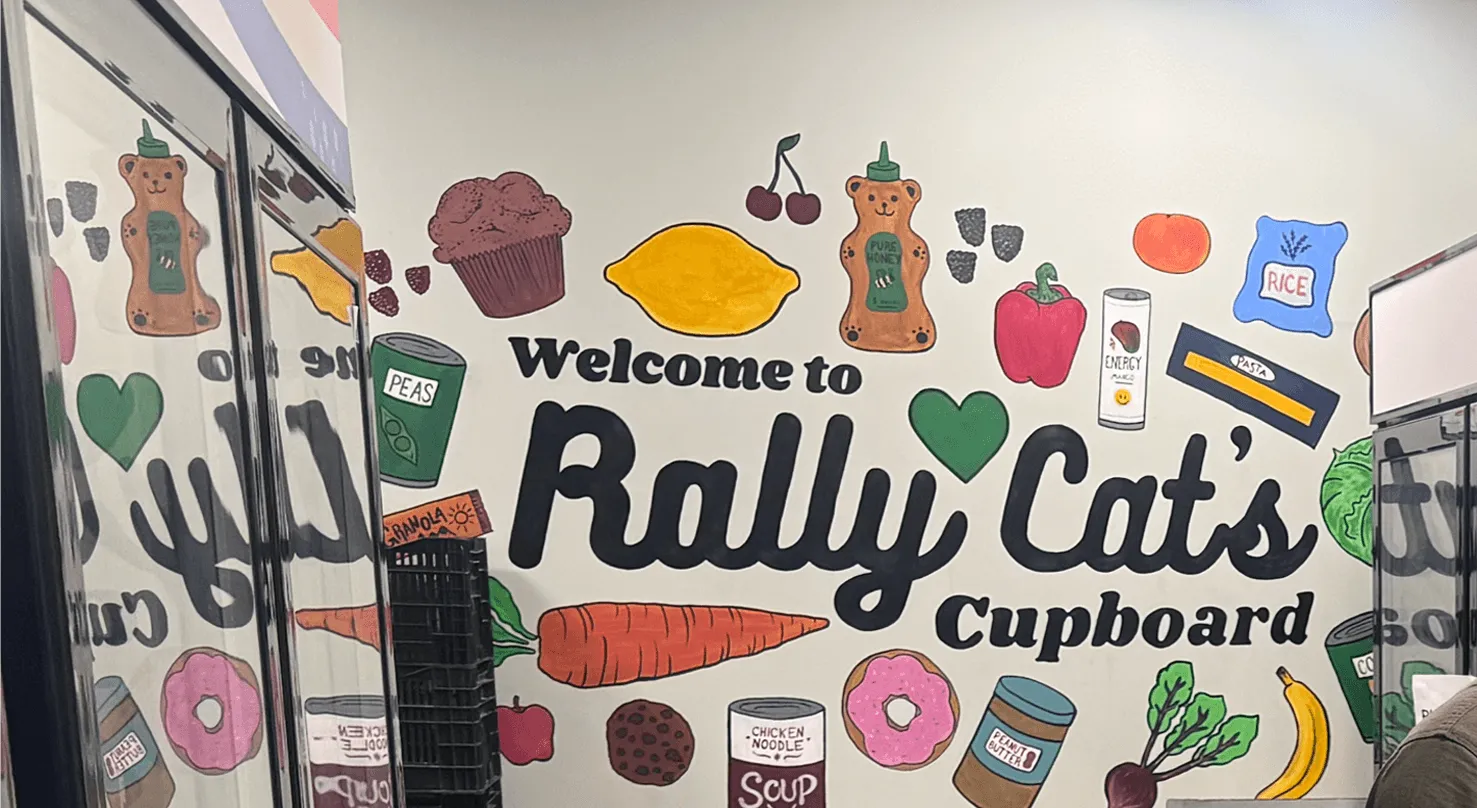
While the statistics are sobering, Bhurosy’s response is one of determined action, not despair. She puts her knowledge to work, translating research into tangible support for students. Before coming to UVM, she organized a satellite on-campus food pantry at Hofstra University in New York. When she arrived at the University of Vermont, she saw a similar need and immediately got involved with Rally Cat’s Cupboard, now serving as its Faculty Advisor.
“There were many times I felt hopeless,” she admitted. “What keeps me going are the colleagues, community partners, students, and volunteers who continue showing up, often on top of already demanding jobs, because they believe no one should have to worry about where their next meal is coming from.”
A Community Comes Together to Fill a Plate
That community spirit will be on full display this year as the University of Vermont hosts CatsGiving for the third time. Hosted by the UVM Career Center and supported by UVM Dining Services, the event on November 11th will see volunteers assembling and decorating Thanksgiving-themed meal kits for members of the UVM community and beyond who face food insecurity. Last year, participants prepared more than 100 meal boxes, providing not just food, but a powerful message of solidarity.
For Bhurosy, the event is a microcosm of the solution. We see you. We’re here for you.
For people facing food insecurity, hope often begins with something small: a meal, a helping hand, someone who cares. On November 11, CatsGiving is a chance to provide all three. Students can register to participate on Handshake or donate to Rally Cat’s Cupboard to support those in need year-round.
The fight against hunger on campus is a reflection of a larger national challenge, where economic pressures and systemic barriers create daily uncertainty for millions. While a 40% food insecurity rate among Vermont students is a crisis unique to its context, the underlying issues of affordability, access, and equity resonate across the country. Bhurosy’s work stands as a model for how personal experience, when coupled with rigorous research and community action, can illuminate a path toward a more equitable future.
Worth a look
Mazzei Taps Brother to Lead Transition
Oklahoma's Next Governor Sets Transition Plan, Brother to Lead Team Oklahoma City – Gov.-elect Mike Mazzei has officially...
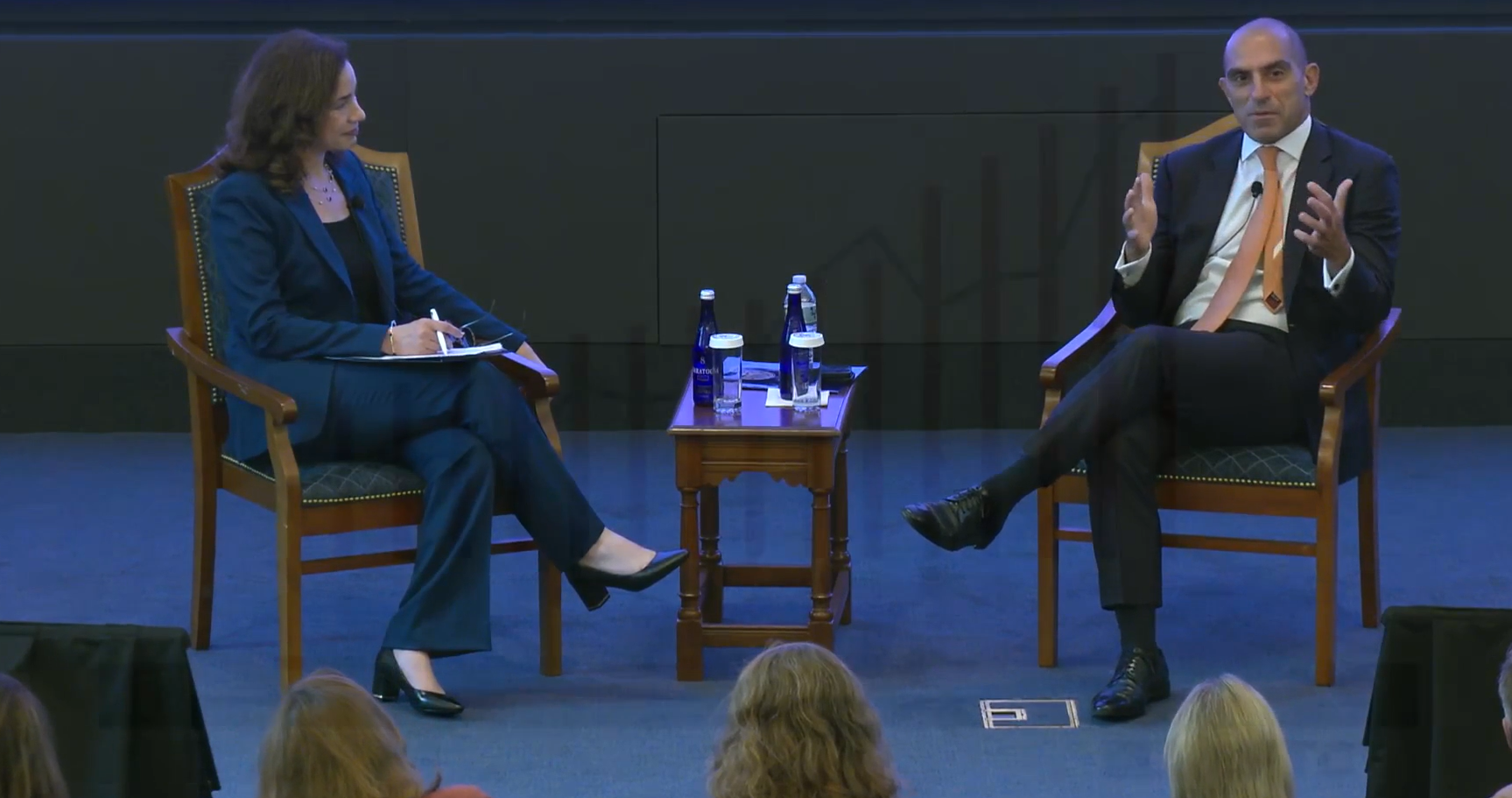
New York Fed debates central clearing for repo operations
Fed Ponders a Major Shake-Up for Treasury Markets Right now, deep in the engine room of the U.S....
Newark Woman Convicted of Attempted Murder in Sibling Shooting Case
A Newark woman was convicted of attempting to murder two siblings during an armed robbery after a jury...

New York Fed on Repo Markets, Treasury Cash, and Digital Innovation
The Federal Reserve's Quiet Revolution in Treasury Markets At a legal forum in New York, a top Federal...