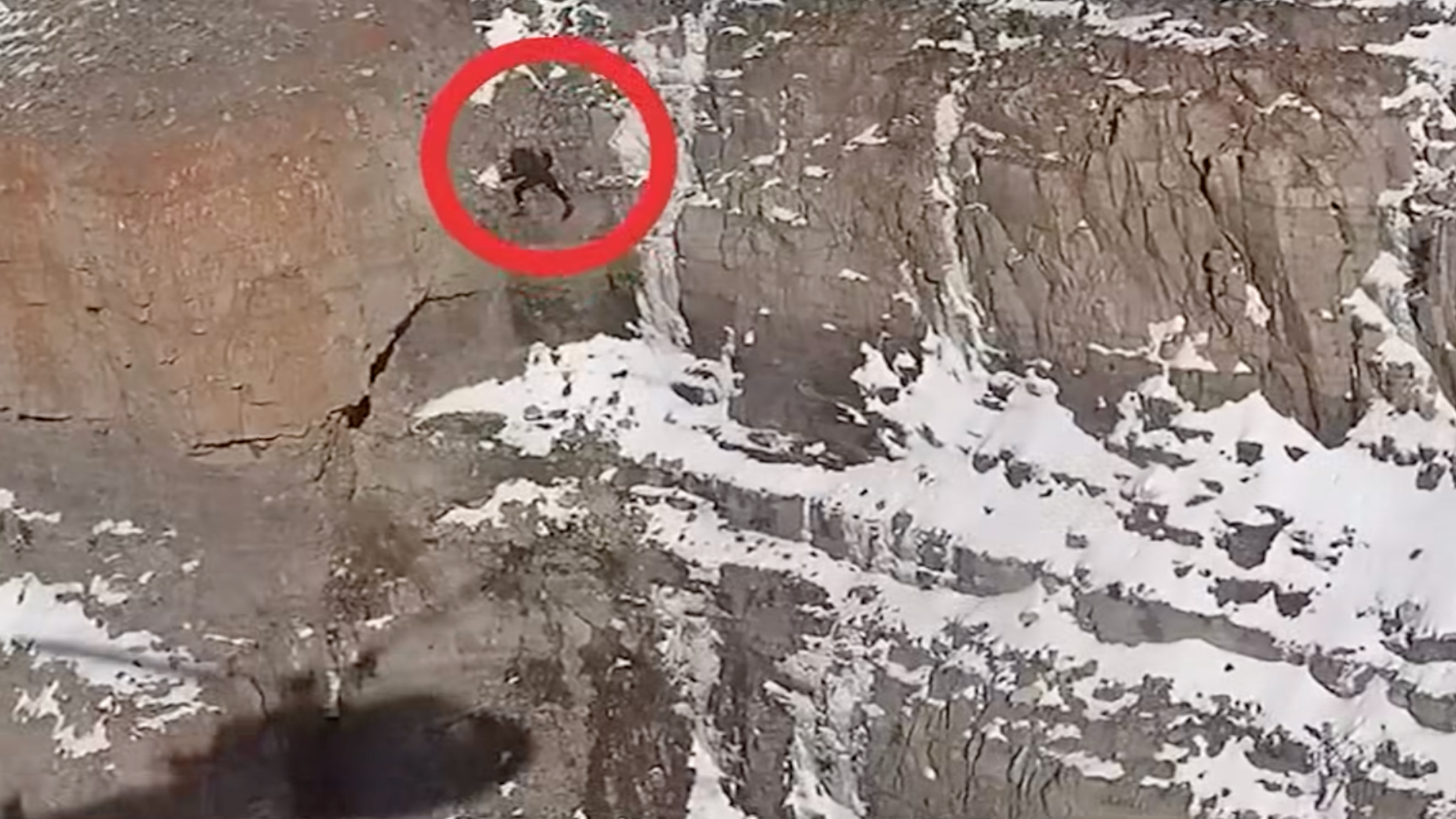
On October 26, a female hiker fell from the summit of Utah’s Mount Timpanogos and slid hundreds of feet down a steep slope before landing on a small, narrow ledge, prompting a dramatic high-altitude helicopter rescue that was captured on newly released video. Outside Online reported that the incident, which occurred on an 11,700-foot peak in the Wasatch Range, shows how quickly a fun outing can become a life-or-death situation.
The danger isn’t limited to one hiker on one day; it’s a seasonal reality for the thousands who flock to Timpanogos, a mountain just 50 miles from Salt Lake City. The rescue, executed by state search-and-rescue teams, highlights the critical role of specialized training and equipment when adventurers find themselves in peril. It’s a story of human resilience, the incredible skill of first responders, and the unforgiving nature of the wilderness, especially as the seasons change.
A Perilous Descent and a Race Against Time
The newly released footage provides a chilling first-hand look at the rescue. It shows the mountain summit where the hiker began her trek, the steep, snow-covered slope she slid down, and the small, precarious ledge where she came to a stop. According to the Utah County Sheriff’s Office (UCSO), search-and-rescue crews first spotted the woman from an airplane, which allowed them to direct the Utah Department of Public Safety helicopter crew to the precise location. From there, a perilous hoist operation was launched to pull the injured hiker from the cliff face and bring her to safety.
The UCSO confirmed in an October 26 Facebook post that the hiker had sustained significant injuries during the fall. She was airlifted from the scene and transported by the Lone Peak Fire Department to Utah Valley Hospital for medical treatment. The agency’s update on November 3 offered a glimmer of hope, stating, “We have heard that the hiker is recovering well from her injuries, and we wish her a full and speedy recovery.” The post concluded with a heartfelt thank you to all the agencies involved, noting that the incident is a potent reminder of how fast a fun outing can become a life-or-death situation.
The Unpredictable Face of Mount Timpanogos
Mount Timpanogos is a popular destination, known for its stunning views and challenging trails. It is accessible via two strenuous out-and-back routes: the Timpooneke and Aspen Grove trails. Both are roughly 14 miles long and often take hikers between eight and 12 hours to complete. The trails cross snowfields and steep scree fields, presenting a formidable challenge even for experienced hikers. While the late summer months see a high volume of traffic, the mountain’s high elevation means that conditions can turn dangerous with little warning.
The timing of the incident is particularly telling. Snowstorms can begin sweeping over the summit as early as late September, making trail conditions highly unpredictable. What might be a clear path in the morning can be treacherous by the afternoon as snow melts and refreezes, turning sections of the trail into icy ramps. This natural cycle is a primary reason for the mountain’s reputation and the necessity for hikers to be prepared for a wide range of conditions.
The Utah County Sheriff’s Office said it was extremely grateful for the outcome of the rescue and its awesome partners. The agency noted that the incident shows how quickly a fun outing can become a life-or-death situation.
The Essential Gear for High-Elevation Survival
The rescue highlights a critical piece of advice for anyone recreating in high-elevation areas where snow and ice are present: proper equipment is not optional, it’s essential. Authorities and outdoor experts stress that knowing how to self-arrest using an ice axe can be the difference between a controlled stop and a catastrophic fall. This technique involves using the pick of the axe to dig into the snow and stop a slide, a skill that can be learned but must be practiced.
Carrying the right mountaineering gear is non-negotiable. This includes, but is not limited to, crampons for secure footing on ice, a helmet for protection from falling rock or ice, and layered clothing to manage the body’s temperature in extreme cold. The UCSO and other responding agencies consistently remind hikers that the mountain environment demands respect and preparation. A moment of complacency on an exposed ridge or a patch of unexpected ice can have dire consequences, as this recent rescue so vividly illustrates.
For the hiker who fell, the outcome was fortunate due to the swift and expert response of the rescue teams. But their story is also a cautionary tale for the broader community of outdoor enthusiasts. It highlights that while the call of the wild is powerful, it must be answered with a commitment to safety and a clear understanding of the risks involved.
The question now is whether this dramatic footage will serve as a lasting lesson for others planning to tackle Timpanogos and other challenging peaks. The mountain will always be there, but the people who climb it must come prepared, or they risk becoming another statistic in the unforgiving ledger of the high country.
Keep reading
Mazzei Taps Brother to Lead Transition
Oklahoma's Next Governor Sets Transition Plan, Brother to Lead Team Oklahoma City – Gov.-elect Mike Mazzei has officially...

New York Fed debates central clearing for repo operations
Fed Ponders a Major Shake-Up for Treasury Markets Right now, deep in the engine room of the U.S....

Newark Woman Convicted of Attempted Murder in Sibling Shooting Case
A Newark woman was convicted of attempting to murder two siblings during an armed robbery after a jury...

New York Fed on Repo Markets, Treasury Cash, and Digital Innovation
The Federal Reserve's Quiet Revolution in Treasury Markets At a legal forum in New York, a top Federal...