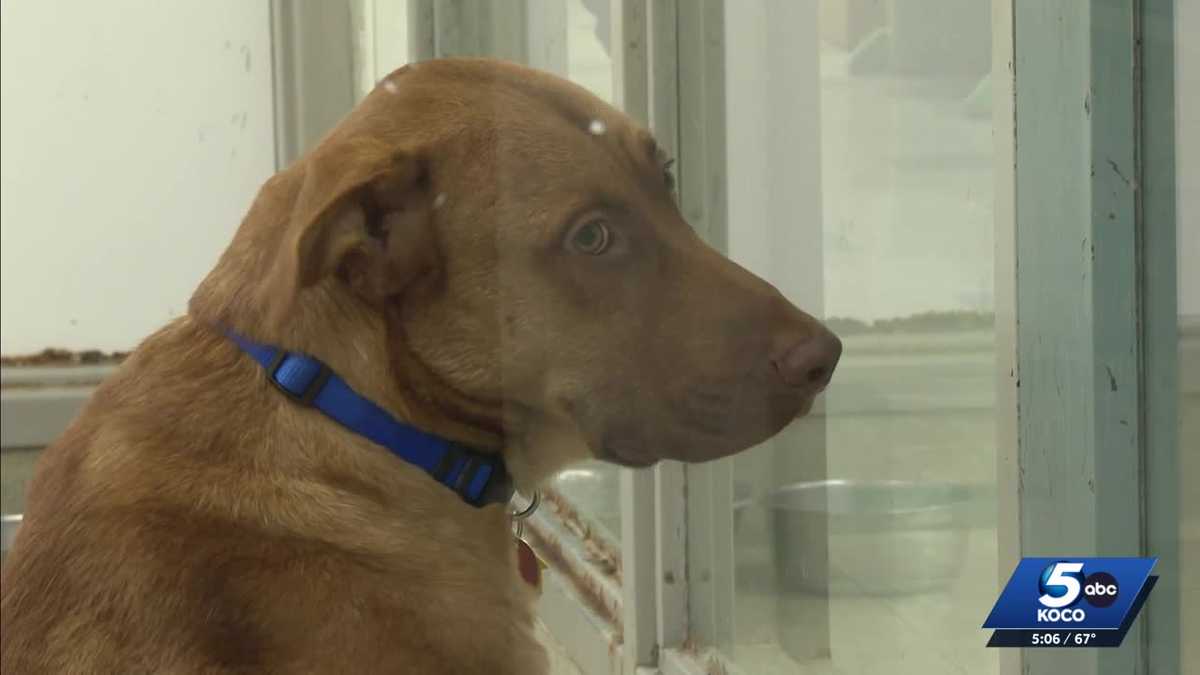
“We’re at least limiting dog intake for two weeks,” said Johny Sandoval, Oklahoma City Animal Welfare superintendent, as the shelter confronts a canine distemper outbreak that has already claimed three dogs.
Oklahoma City Animal Welfare suspended dog adoptions and routine intakes Friday after five dogs tested positive for the highly contagious virus. Three of those animals have been euthanized due to the severity of their symptoms. The shelter, which currently houses approximately 200 dogs, will maintain the restrictions for at least two weeks while staff isolate exposed animals, increase testing, and consult with national shelter medicine experts.
The outbreak arrives at a precarious moment. The city is preparing to move operations into the new $42 million Louisa McCune Animal Welfare Center, a facility funded through the MAPS 4 initiative, potentially within weeks. “Moving into a new facility, you know, potentially here in a couple weeks. It’s not something we want to directly transfer,” Sandoval said.
Canine distemper attacks the respiratory, gastrointestinal, and nervous systems. The American Veterinary Medical Association notes the virus can also infect ferrets, foxes, wolves, raccoons, and skunks. In a shelter setting, the disease spreads rapidly because infected dogs can spread the virus before symptoms appear.
“Distemper is particularly challenging in a shelter environment because infected dogs can spread the virus before showing symptoms,”
Dr. Caroline Lafferty, a veterinarian at Midwest Veterinary Hospital, emphasized the role of close quarters. “So if they’re sharing the same air, it’s going to spread very quickly amongst them,” she said. The virus is easily disinfected in the environment, but the nature of the disease in a shelter creates challenges for containment.

Every dog entering the Oklahoma City shelter receives a distemper vaccine. However, immunity is not immediate. “The vaccines take time to take effect and they need to be boosted,” Lafferty said. That lag leaves recently vaccinated dogs vulnerable if the virus is already circulating in the population.
Puppies younger than five months and unvaccinated dogs face the highest risk, Sandoval said. The shelter is urging anyone who adopted a dog within the past three weeks to monitor for coughing, fever, lethargy, nasal discharge, diarrhea, neurological symptoms, or seizures, and to contact a veterinarian immediately if symptoms appear.
“The only preventative for distemper is proper vaccination of your dogs,”
Dr. Todd Mauldin stressed that vaccinated dogs are not at risk from the outbreak.
Cat adoptions remain available, as they are not susceptible to canine distemper. Residents can also continue reclaiming lost pets. The city said it will only accept dogs during the suspension if they pose an immediate public safety threat or require emergency medical care.

Sandoval said the shelter is exploring low-cost vaccination clinics for residents through community partners. Routine intakes and dog adoptions will restart once the virus is no longer present in the shelter population.
The new Louisa McCune Animal Welfare Center, funded by MAPS 4, is slated to open in the coming weeks.
Worth a look

Minnesota Opens Charleston Classic With 85-70 Win Over Oklahoma State
Minnesota opened the Charleston Classic with an 85-70 win over Oklahoma State on Friday, improving to 6-0 after...

USU Study: Baja Ocean Pattern Caused Utah Snow Drought, Frequency to Nearly Double
Utah State University researchers have traced last winter's missing snowpack to a stalled storm belt south of Baja...

Downtown Little Rock Bright the Night set for Nov. 23, KARK reports
Downtown Little Rock will launch the holiday season Monday with the Bright the Night tree-lighting celebration at Capitol...
National Weather Service: Florida Flood Warnings Stretch North
"I have never ever seen this much water in the 25 years I've been in Florida," said Sara...