Just 10.2% of Oklahoma City residents are satisfied with the city’s response to homelessness, Kansas City Star reported.
Despite that, more than 3,200 people have been housed since Key to Home launched in 2023, and the city’s latest count found a slight decline in homelessness.
“I totally agree. I want us to be able to make a bigger, faster impact and so that’s why we’re showing up to work every day is to figure out exactly how to do that,” said Jamie Caves, strategy implementation manager for Key to Home. “We don’t want anyone in our community to have to sleep outside.”
Key to Home is a collaborative effort between the city and over 50 service providers, modeled after initiatives in Houston and other cities. It brings the city’s existing continuum of care under one umbrella for cross-agency collaboration.
Caves said case management is critical to helping people remain housed, connecting them with resources like employment programs, behavioral health services, and medical care.
The program arrived as state-funded programs threatened vulnerable Oklahomans, according to Meghan Mueller, president and CEO of the Homeless Alliance. Gov. Kevin Stitt sent state troopers to clear homeless encampments off state property in 2025 in an effort called Operation SAFE.
In Tulsa, advocates said they were given no notice of the push. In Oklahoma City, providers already possessed an encampment rehousing strategy before the Oklahoma Highway Patrol started clearing camps, Caves said.
“Everything we do is to make sure that more of our neighbors have access to permanent and stable housing,” Mueller said. “I think the byproduct of the initiative is we’ve been able to demonstrate that humane options work in the face of maybe some adverse public policy.”
Gov.-elect Mike Mazzei’s office said he will “review Operation SAFE as he prepares to take office.” According to his website, the governor-elect believes the state “must address the underlying issues that can contribute to chronic homelessness, particularly drug addiction, mental illness, and the lack of accessible treatment.”
In 2026, Oklahoma City’s annual Point in Time count logged 1,867 people experiencing homelessness, down slightly from 2025. The most represented groups included adults between 35 and 64 years old, those with chronic homelessness, and individuals with serious mental illness.
A shortage of affordable housing and funding constraints remain persistent challenges, Caves and Mueller said. Increasing affordable housing and investing in prevention services could reduce the number of people entering the system, Caves added.
“A lot of the funds that fund our critical programs are federal,” Mueller said. “We’re still kind of in the midst of our first submitted funding application with this administration and we have not heard a word about funding decisions yet.”
For 2027, providers plan to increase access to critical services and emphasize earlier intervention. The Homeless Alliance has been expanding its clinical offerings, including more on-site mental health services. Other providers, including CityCare and City Rescue Mission, also have been investing in programs addressing family homelessness.
“We talk a lot about the Oklahoma standard and I think it’s really important that we remember that that standard extends not just to friends, family, co-workers, but it extends to all of our neighbors and that includes our neighbors maybe who are living outside,” Mueller said. “The person that you see living outside is a person, that’s someone’s mom, dad, sister, brother. That’s a person with stories who matters to people.”
Worth a look
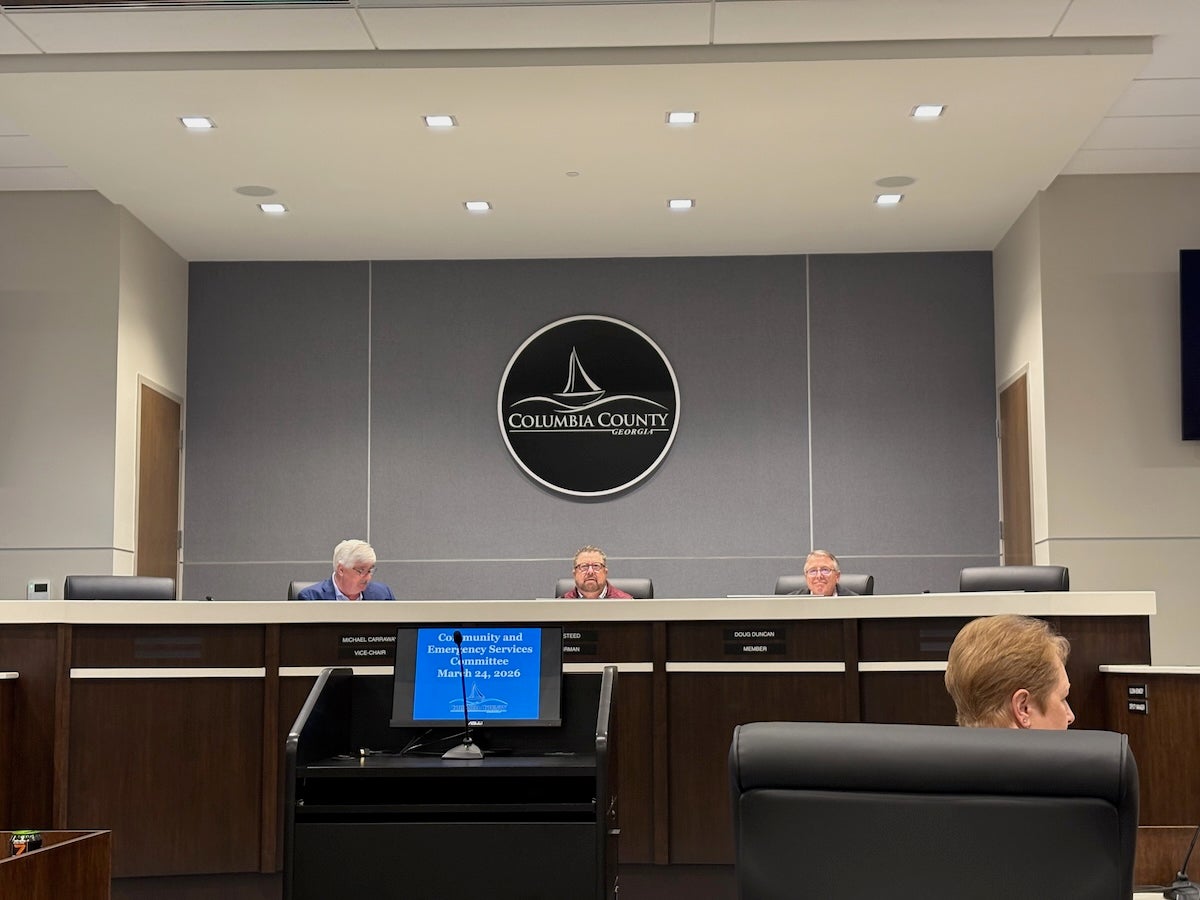
Columbia County Committee Rejects Data Center Moratorium in Favor of Ordinance Rewrite
A Columbia County committee voted unanimously this week to reject a one-year moratorium on data center development and...

Othello Eastern Washington Desert Hub for Outdoor Adventure and Farm-to-Table Dining
Eastern Washington’s Othello emerges as a desert hub for outdoor adventure and farm-to-table dining. Known as the “French...

MGoBlog Published punt-Counterpunt Preview for 2026 Michigan-Ohio State Game
MGoBlog published a "Punt-Counterpunt" preview for the 2026 Michigan-Ohio State football game on Friday, featuring dueling columns that...

Jaguars List Six Offensive Linemen on Injury Report for Week 12
Jacksonville’s offensive line enters Week 12 with six linemen on the injury report, a depth crisis that could...