
The Oklahoma City Thunder dominated the Washington Wizards on November 7, 2026, securing a decisive victory in a contest where the home team’s offensive efficiency left little room for doubt.
According to data provided by Basketball-Reference.com, the Thunder finished with a commanding 114-75 win, a result that highlights the growing disparity in execution between the two rosters as the season progresses.
The Thunder’s offensive rhythm was anchored by Shai Gilgeous-Alexander, who tallied 30 points in just under 29 minutes of action. His ability to read the Wizards' defensive sets allowed Oklahoma City to maintain a consistent scoring pace throughout both halves. Alongside him, Aday Mara provided 18 points and eight rebounds while shooting 80 percent from the field.
For the Wizards, the night was defined by a struggle to find high-percentage looks. AJ Dybantsa led the team with 15 points, but the squad as a whole struggled to convert, shooting just 29.6 percent from the floor. The statistical breakdown reveals the depth of the challenge: the Wizards finished with 16 turnovers, failing to generate the ball movement necessary to disrupt Oklahoma City’s defensive rotations.
The gulf between the two teams is best illustrated by their respective shooting efficiencies. Oklahoma City connected on 48.9 percent of their field goals, a stark contrast to Washington’s 29.6 percent. This gap was compounded by the Thunder’s performance at the free-throw line, where they converted 14 of 18 attempts.
The Wizards found difficulty in creating second-chance opportunities, recording only 15 offensive rebounds compared to the Thunder’s 10. While the raw rebounding numbers might seem competitive, the Thunder’s ability to control the defensive glass—securing 45 defensive rebounds—effectively neutralized Washington’s attempts to extend possessions.
The Oklahoma City Thunder beat the Washington Wizards 114-75. Here are the highlights. https://t.co/7TM21agkU6
Oklahoma City’s depth proved to be a critical factor in maintaining their lead. Bennett Stirtz and Jared McCain provided 11 and 19 points, respectively, off the bench. Their combined efficiency helped ensure that the Thunder did not experience a lapse in production when the starters rotated out.
In contrast, the Wizards struggled to find consistent output from their reserves. Bub Carrington provided a glimpse of potential with nine points in 21 minutes, but the rest of the second unit faced similar shooting woes to the starting lineup. The absence of Khris Middleton, who did not play, further limited Washington’s options for veteran stability on the floor.
The impact of this loss for Washington is measured in the continued development of a young core that is still adjusting to the pace of the league. For Oklahoma City, the victory reinforces the effectiveness of their current rotation and their capacity to win decisively even when missing key contributors like Jalen Williams and Chet Holmgren.
With an attendance of 18,203, the game served as a reminder of the high stakes facing both franchises as they attempt to balance immediate results with long-term roster construction. The Thunder’s ability to execute on both ends of the floor, finishing with a team offensive rating of 115.3, suggests a level of cohesion that will be difficult for opponents to dismantle as the schedule intensifies.
Keep reading
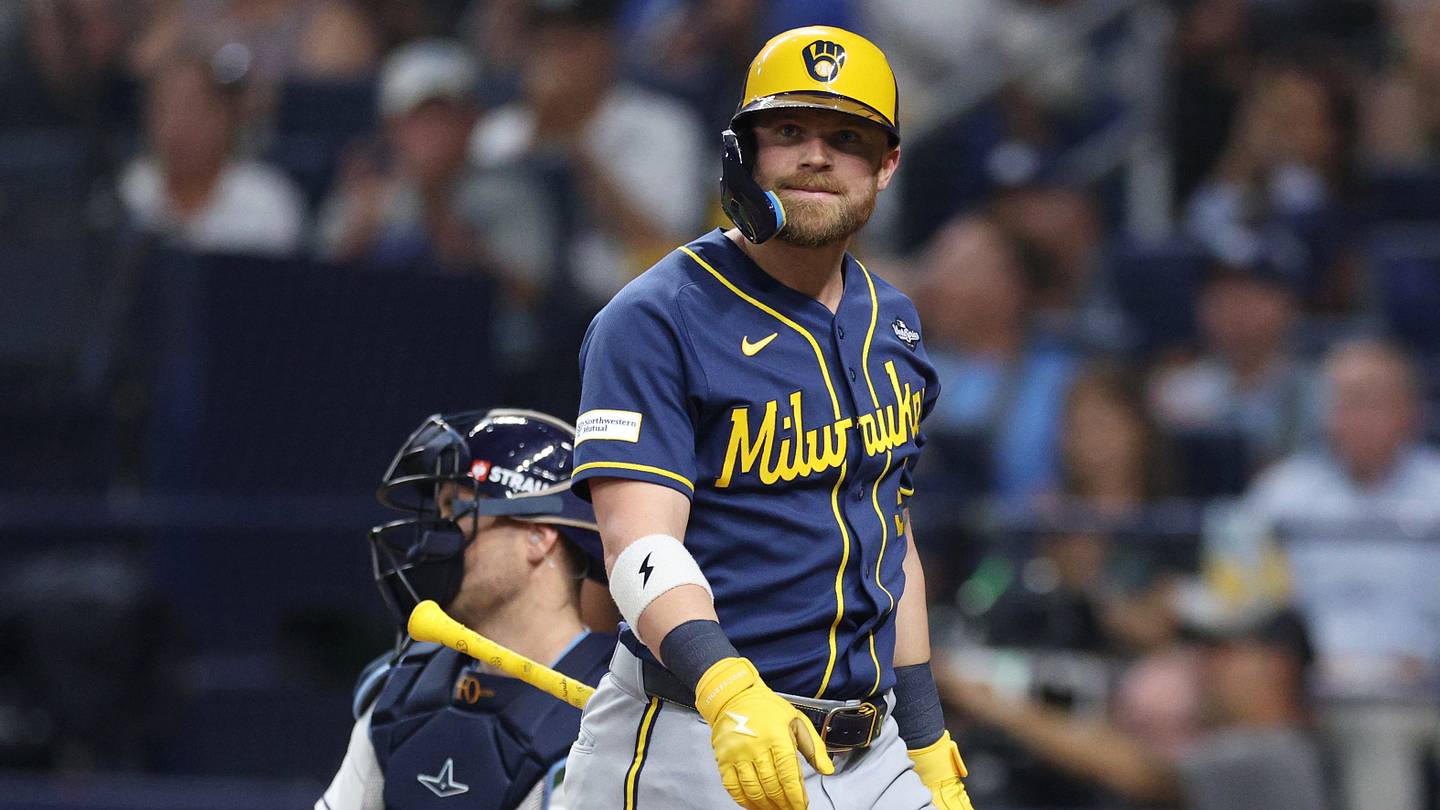
Paul Hembekides Projects Bauers to Join Diamondbacks for $54M
The Milwaukee Brewers are facing a cold reality this offseason: one of their most impactful contributors from a...
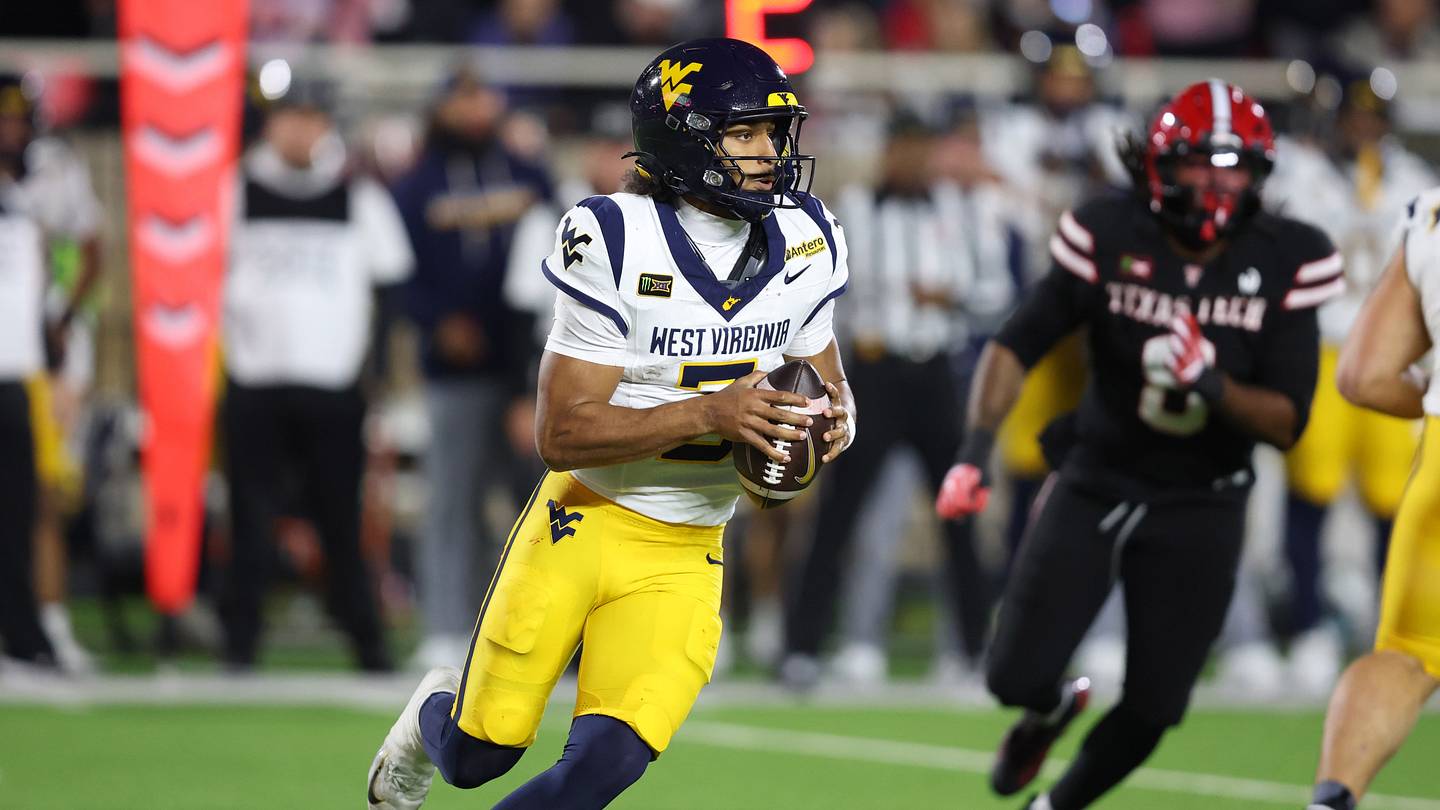
Texas Tech Defeats WVU 53-48 in High-Scoring Shootout
The West Virginia Mountaineers fell to Texas Tech in a 53-48 shootout on Friday night, a loss defined...

Jessie Thompson Drives Youth Hockey Growth With Washington Capitals
Jessie Thompson, a 2015 graduate of the University of Richmond, has spent her career translating the influence of...

Utah Beats BYU 28-20 to Remain Undefeated and Control Big 12
The win, reported by Deseret News, keeps the Utes undefeated at 9-0 and firmly in control of the...