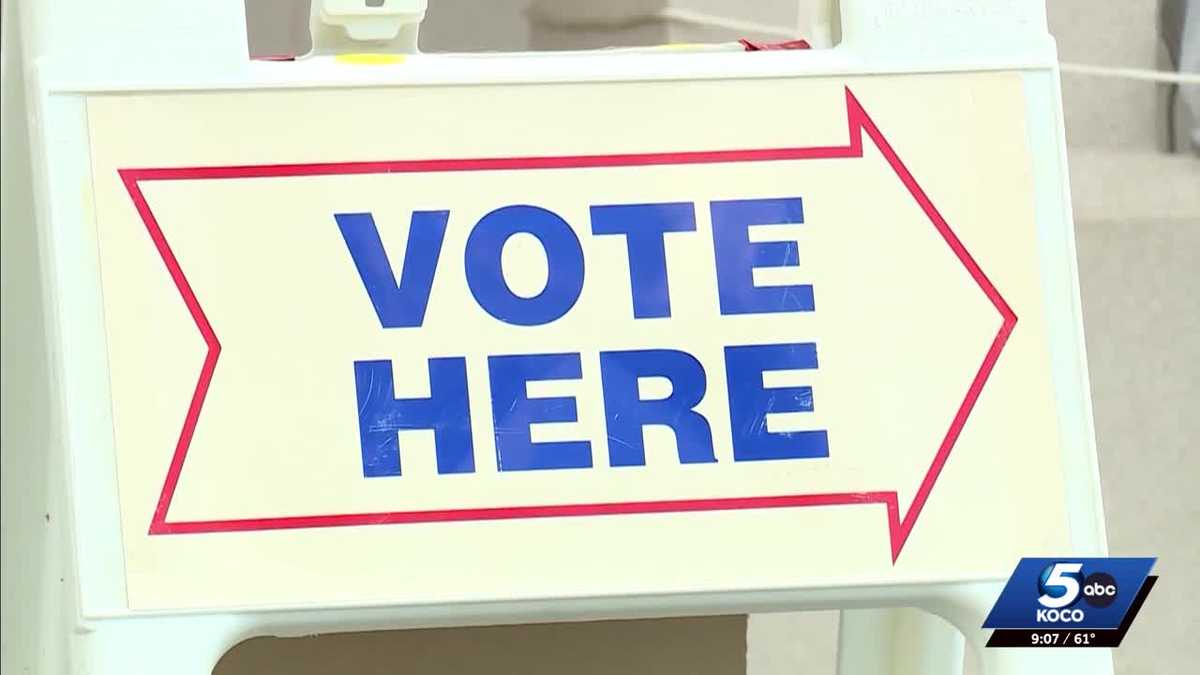
Voting yes on Oklahoma State Questions 845 and 847 means altering judicial commission rules and lowering property tax assessment caps, while voting no keeps current regulations in place. These two statewide measures will appear on every ballot across Oklahoma on Election Day, November 3, 2026.
What Will State Question 845 Change About Judicial Nominations?
State Question 845 tackles how Oklahoma screens candidates for judicial vacancies, including seats on the Oklahoma Supreme Court. The state’s Judicial Nominating Commission operates under rules established back in 1967 by an amendment to the Oklahoma Constitution.
Right now, the commission has 15 members. Six of those members are lawyers elected by the Oklahoma Bar Association, with one attorney representing each of the six congressional districts as they existed in 1967. The remaining nine members are non-lawyers who cannot have an immediate family member practicing law. Approving SQ 845 would revise geographic requirements to reflect current congressional boundaries, eliminate rules that stop all members from belonging to the same political party, and permit attorneys to serve alongside their family members.

Supporters of SQ 845 argue that modernizing the geographic boundaries and lifting restrictions on legal expertise will streamline the selection process.
How Will State Question 847 Alter Property Tax Assessment Caps?
While voters weigh court selections, they will also decide a major constitutional amendment regarding local real estate. State Question 847 proposes lowering the annual limits on increases in property values used for tax calculations, beginning in tax year 2027.
The measure reduces the annual growth cap for homestead property and agricultural land from 3% to 1.75%. For all other locally assessed real property, including commercial buildings, the cap drops from 5% to 4%. Aanahita Ervin with the Oklahoma Policy Institute explained that this shifts how local governments calculate taxable values. For example, a home valued at $200,000 currently assessed at up to $206,000 under the 3% cap would see that figure drop to $203,500 under SQ 847.
Regarding property owners aged 65 and older, the proposal would maintain a 0% increase for households at or below 100% of the HUD median income while establishing five additional income-based limits reaching up to 1.75%. Supporters argue this provides relief for property owners by slowing the growth of taxable values. Critics, such as educational administrators, caution that diminished growth in taxable property values might lead to decreased funding for community programs.
What Happens Next at the Ballot Box?
Oklahomans head to the polls on November 3, 2026, to cast their final decisions on both measures. Voters can review sample ballots and locate voting precincts through the Full List of Races provided by election officials. The exact legal impacts of these amendments, including the rollout of property assessment changes for tax year 2027, depend entirely on whether voters choose to uphold current constitutional standards or adopt the proposed overhauls.

Lewis County Child Dies From Measles in First NY Death in 30 Years
Measles death in Lewis County marks first in New York in three decades State and Lewis County health...

Ventura Enterprises Brings Small Commercial Condos to Centennial
In the industrial corridors near Centennial Airport, a 7-acre parcel at 6507 S. Racine Circle is preparing for...

Nebraska Faces Illinois in Friday Night Big Ten Clash at Champaign
Nebraska enters the final month of its regular season facing a familiar challenge under the lights. This Friday,...

Dr. Ariana Greenwood Specializes in Gastroenterology and Hepatology
Dr. Ariana Greenwood provides specialized gastroenterology and hepatology services in Louisville Dr. Ariana Greenwood, MD, FACP, is providing...