
Oklahoma Turnpike Tolls Jump 35 Cents for Tulsa Trip to Fuel $9 Billion Expansion
Starting January 5, drivers traveling from Oklahoma City to Tulsa will pay an extra 35 cents in tolls, a hike approved by the Oklahoma Turnpike Authority to fund a massive, 15-year infrastructure overhaul. The increase, which raises the PikePass cost for that trip to $5.75 from $5.40, is the latest step in a long-term plan to modernize the state’s highway system, oklahomavoice.com reported.
This isn’t a one-time adjustment. The authority, whose board approved the changes on Thursday, has signaled a clear pattern. The hike is designed to generate a 6% revenue increase, and officials anticipate returning every two years for similar increases to keep pace with inflation and fund ongoing projects. The last toll increase came just last year, in 2025.
Toll Hikes Will Cost Drivers More
For the average driver with a PikePass, the math is straightforward: the cost per mile will climb by about a penny to 8 cents. The impact is most significant on longer commutes. For PikePass users driving the entire five-mile length of the Gilcrease Expressway, which is also seeing a toll increase due to its unique financing, the added cost will be about 15 cents. The authority has pointed out that even with these increases, Oklahoma will still have the ninth lowest toll rate in the nation for drivers using a transponder.
Every one of these pennies is earmarked for the “Advancing and Connecting Communities and Economies Safely Statewide” project, or ACCESS. This is a 15-year, $9 billion undertaking to expand and improve the state’s turnpike system. The sheer scale of the project has ballooned since its inception. It was initially projected to cost $5 billion. Inflation drove that figure up to $8.2 billion, and now, with additional projects like an eight-laning of the Turner Turnpike from Bristow to Oklahoma City—a change from the original six-lan plan—the total cost has climbed to approximately $9 billion.
Mary Biswell, the agency’s director of revenue assurance, said the hike keeps revenues adjusted for inflation and pays for the significant reinvestment into the system.
The financial strategy hinges on these incremental, biennial increases. The 6% bump is calculated not just to cover inflation but to generate the necessary capital for a project of unprecedented scale for Oklahoma.
Who Bears the Brunt of the Increase?
For a family making the round trip between Oklahoma City and Tulsa multiple times a month, the toll increase will add to the expense over a year.
The alternative to toll-funded expansion would be seeking general tax dollars or bonding against future revenue, which would spread the cost across all Oklahoma taxpayers, many of whom may not use the turnpike system. The PikePass system and the toll structure present a user-pays model, ensuring that those who directly use and benefit from the improved roads are the ones contributing to their construction and maintenance.
Drivers can get a precise picture of their new costs using the Oklahoma Turnpike Authority’s online toll calculator, which will be updated to reflect the January 5 rate changes. The tool offers a transparent way for travelers to see exactly how the increase will affect their specific routes.
Worth a look

The Emergent List: 29 Seed-Stage AI Startups to Watch
Identifying the most interesting early-stage startups is as much an art as it is a science, demanding an...
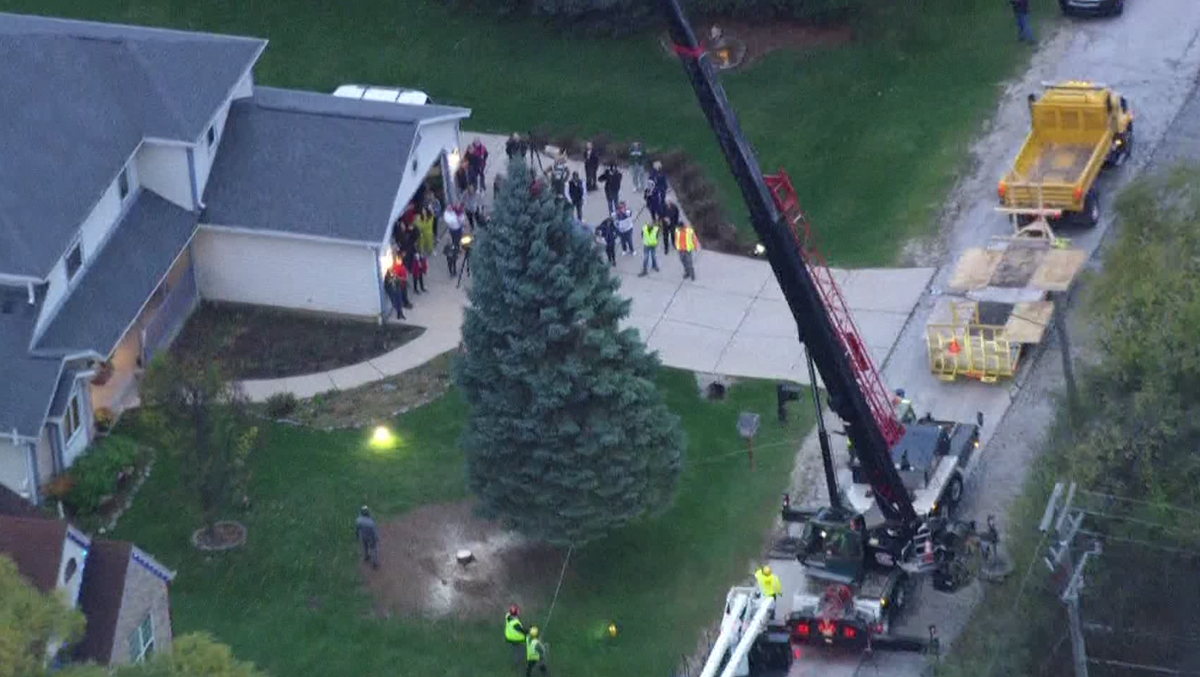
Milwaukee’s 40-foot tree cut, moved to Deer District
Milwaukee's official 40-foot Christmas tree, a Colorado blue spruce, has been harvested from a northwest side neighborhood and...

Cheyenne Veterans Day Schedule: City Office Closures and Trash Pickup Changes
The City of Cheyenne has announced its holiday schedule for Veterans Day on Wednesday, Nov. 11, 2026. City...

Treasury Designates 52 West Virginia Areas as New Opportunity Zones
Federal officials have identified 52 areas in dozens of West Virginia counties as “opportunity zones” for increased private...