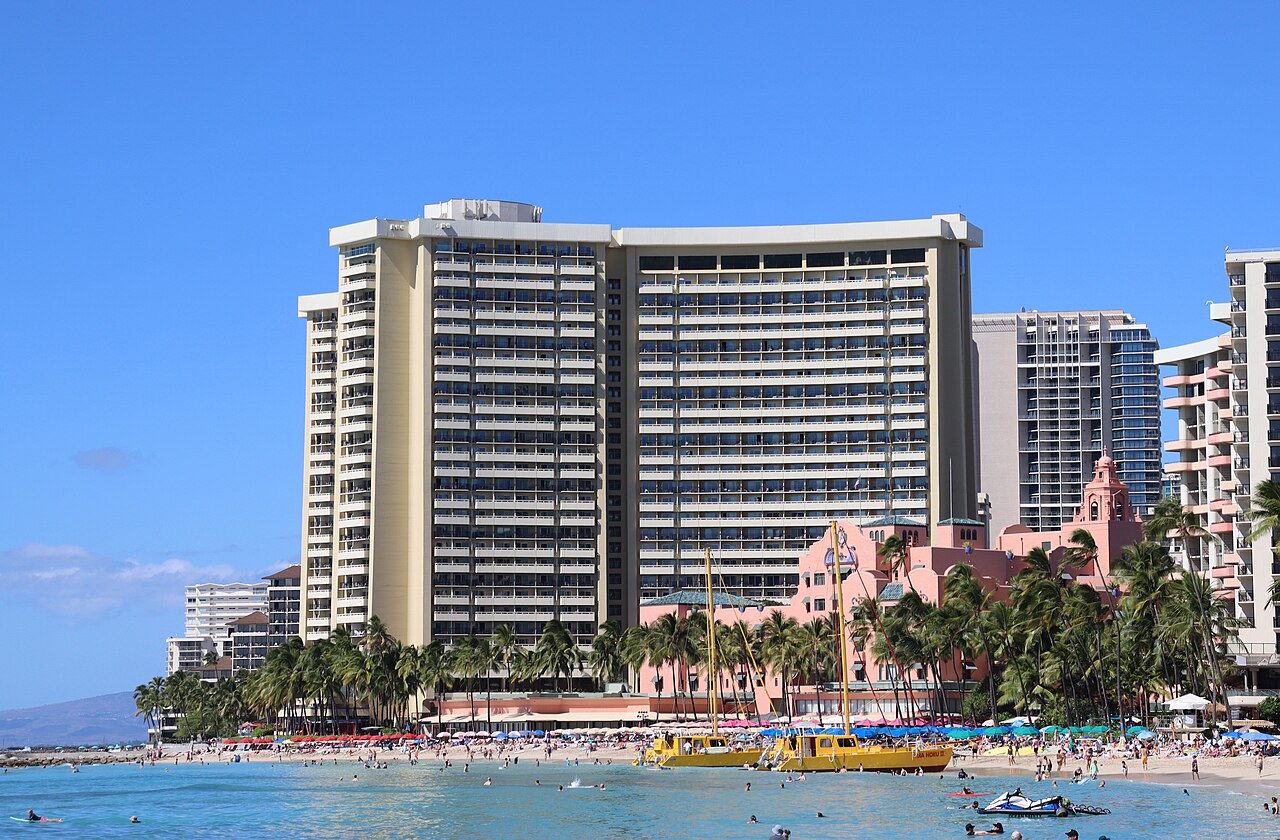
The Paved Paradise: A Legacy of Trade-Offs in Honolulu
In a 2025 essay for Civil Beat, Roberta Joan Anderson recounted a moment that shaped her understanding of paradise—and its fragility. In late November 1969, a young singer-songwriter arrived in Honolulu, only to be jolted by the sight of a massive construction site across from the Royal Hawaiian Hotel. That artist, later known as Joni Mitchell, would immortalize the scene in her 1970 hit “Big Yellow Taxi,” a song that became an anthem for environmentalism. But Anderson’s story reveals a deeper, more personal layer to the tale: the paradox of progress that funded generations of Hawaiian education.
The essay, published in Civil Beat, weaves together personal memory, historical context, and the ethical dilemmas of land use. Anderson, a Kamehameha Schools Fellow, reflects on how the land under the Royal Hawaiian—once part of the ancestral holdings of Princess Bernice Pauahi Bishop—was leased and later sold, generating revenue that supported the Kamehameha Schools. “Parking lots helped put both of our sons through Kamehameha Schools,” she writes, “and they are still helping our youngest finish his engineering education on the continent.”
The Roots of a Song, the Roots of a Kingdom
Anderson’s narrative begins with the 1969 visit that inspired Mitchell’s song. The singer-songwriter’s view from her hotel room—a “big parking lot” amid “mountains all green and lush”—became a metaphor for the tension between development and preservation. But Anderson’s own story is rooted in a different kind of legacy: the ʻāina (land) of the Kamehameha dynasty. Helumoa, the area now occupied by the Royal Hawaiian, was once a sacred site tied to Hawaiian monarchy and spirituality. According to oral histories, a supernatural rooster named Kaʻauhelemoa guided the planting of coconut trees there, a tradition that spanned generations of Hawaiian chiefs, including Kamehameha I and his descendants.
Princess Bernice Pauahi Bishop, who inherited this land in the 1880s, used its proceeds to establish the Kamehameha Schools in 1887. Her will, written in her final months at Helumoa, ensured that the land’s income would educate Native Hawaiian children. “The opportunities were what I tasted,” Anderson writes, reflecting on how the schools transformed her family’s trajectory. “The parking lots are real. The opportunities are real too.”
The Devil’s Advocate: Progress vs. Preservation
Not everyone views the trade-offs as straightforward. Critics argue that the leasing of ancestral lands to developers has prioritized economic gain over cultural preservation. “All ʻāina is special,” said Crystal Rose, chair of the Kamehameha Schools Trust Board, when the trust sold the Royal Hawaiian land in November 2025. “But the reality is that these decisions are made to sustain programs that have uplifted generations.” Supporters of the sale emphasize that the trust’s investments have funded scholarships, healthcare, and community initiatives, with over a significant amount in assets as of 2023.
Yet for many Native Hawaiians, the loss of Helumoa’s spiritual and ecological significance is irreparable. The area, once a site of traditional agriculture and cultural practices, now hosts one of the world’s largest hotel complexes. "But it’s also a testament to the resilience of a people who turned adversity into opportunity."
“The question isn’t whether we should have developed the land,” says Dr. Nalani M. K. M. Kauanui, a political scientist specializing in Indigenous rights. “It’s whether we’ve truly honored the stories and values that once thrived there.”
The Lemon’s Sweetness and Sourness
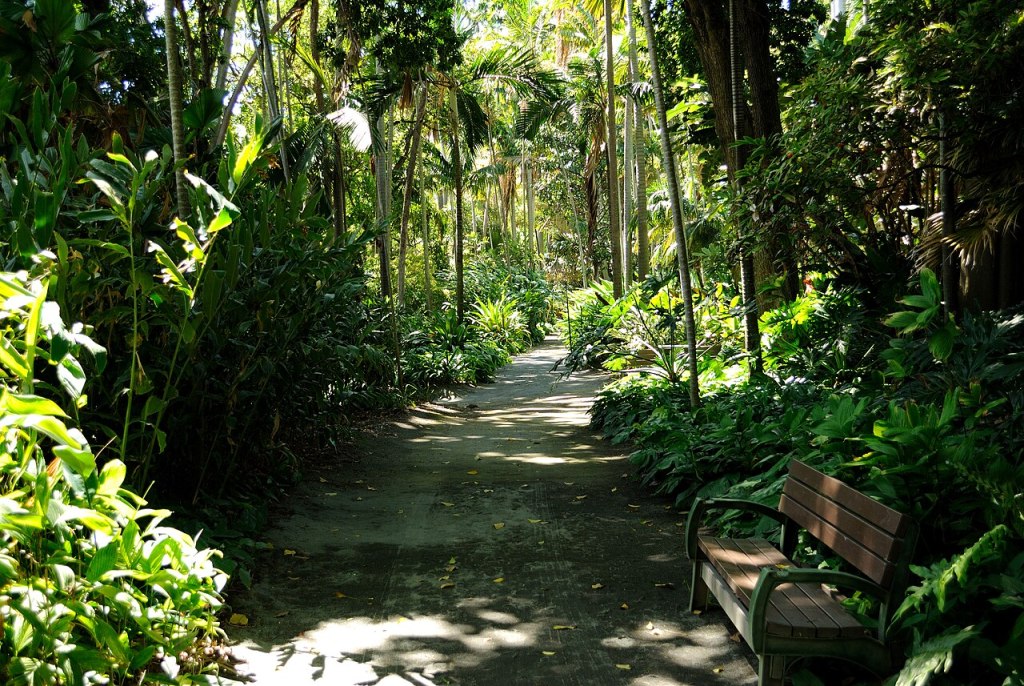
Anderson’s essay captures the duality of this legacy. She describes her childhood experience at Foster Botanical Garden, where she tasted the miracle berry—a plant that transforms sour into sweet. “My sense of sour was hidden so I could only taste the sweet side of a lemon,” she writes. “But the sour was there the whole time.” This metaphor echoes the broader tensions of Hawaiian history: the sweetness of opportunity born from land sales, and the sourness of cultural and environmental loss.
The 2025 sale of the Royal Hawaiian land reignited these debates. While the trust claimed the decision was “emotional,” it also highlighted the financial realities of maintaining a 140-year-old institution. According to the Kamehameha Schools’ 2024 annual report, the trust’s endowment generated a significant amount in revenue, with a large portion allocated to educational programs. Yet for many, the land’s sale symbolizes a deeper erosion of sovereignty. “We’re not just losing a place,” says activist Keoni Agard, “we’re losing a connection to our ancestors.”
“The Kamehameha Schools are a gift, but gifts come with responsibilities,” says Agard. “We need to ask: Are we stewarding this legacy in ways that honor both the past and the future?”
The Unanswered Question: What Will the Next Generation See?
Anderson ends her essay with a quiet hope: “I wonder what our moʻopuna will see when they open the curtains.” This question lingers over the broader debate about land use in Hawaiʻi. As the state grapples with rising housing costs, tourism pressures, and climate change, the tension between development and preservation grows sharper. The 2025 land sale is not an isolated event but part of a long history of choices that shape the islands’ identity.
For now, the Royal Hawaiian stands as a monument to both the triumphs and tragedies of this legacy. Its parking lot, once a symbol of progress, now serves as a reminder of the complex trade-offs that define life in Hawaiʻi. As Anderson writes, “The sweet to wear off enough to taste the whole lemon.” The challenge remains: how to balance the needs of the present with the promises of the future.
Related reading

Understanding microclimates in South-Central Kentucky – WBKO
South-Central Kentucky Experiences a 20-Degree Temperature Split Due to Local Microclimates Foggy and cold weather in one pocket...

Billings eyes more parking at Amend Recreation Campus after busy weekend – KTVQ
“We knew that there was going to be crazy busy,” said Chris Martin, facility supervisor at the Amend...

New Mexico US Rep. Leger Fernández’s bill would require mining companies to pay royalties
New Mexico Rep. Leger Fernández Unveils Landmark Bill to Charge Mining Firms Royalties, Block Foreign Extraction U.S. Rep....

Cole County plans $1.3 million facility renovation – ABC17NEWS
Cole County is planning an approximate $1.3 million renovation of its emergency services building as officials continue exploring...