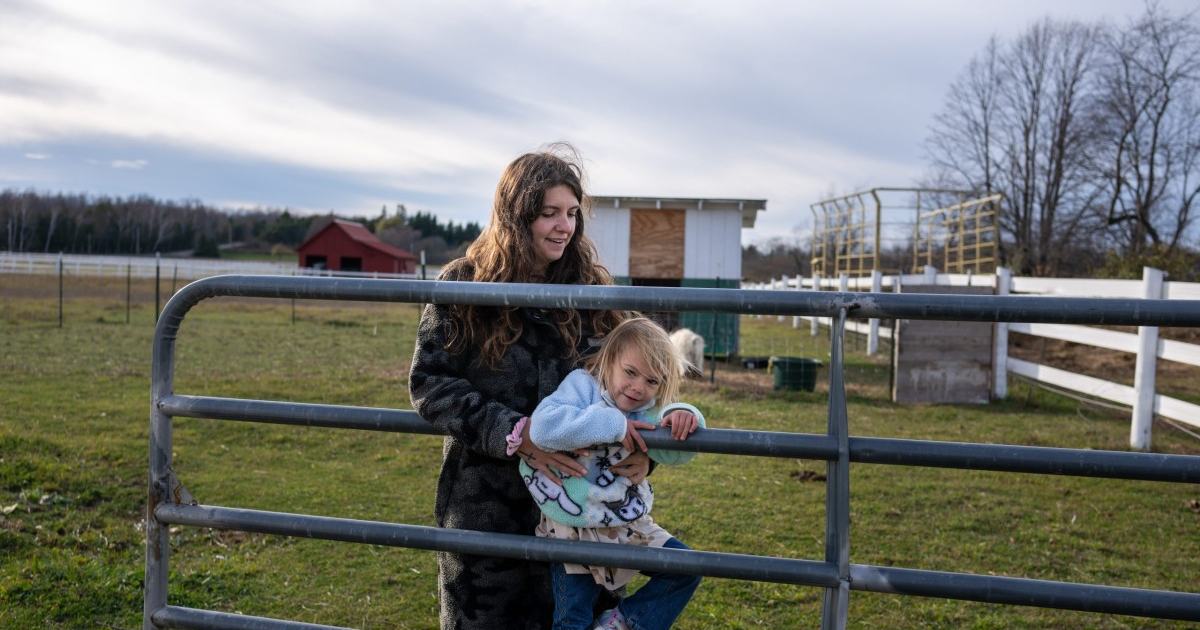
One in four children on Washington Island learns at home, a rate four times the Wisconsin average that is draining state aid from the district’s only school even as families and administrators describe an unusually warm coexistence.
About 20 homeschooled students live on the island, compared with 60 enrolled in the public district, Wisconsin Watch reported. The district’s share of state funding is tied to enrollment, so every child who stays home represents money the 800-person community cannot access.
The island that opts out
Washington Island sits seven miles off the Door County peninsula, reachable only by a 30-minute ferry ride across Lake Michigan. In winter the ferry drops to two daily trips; the grocery store closes at 5:30 p.m. A doctor’s appointment on the mainland consumes an entire day.
“You sacrifice convenience for wholesomeness,” Verboomen said. Drivers wave on the two-lane roads. If a car slides into a snowbank, the first passerby has a tow rope.
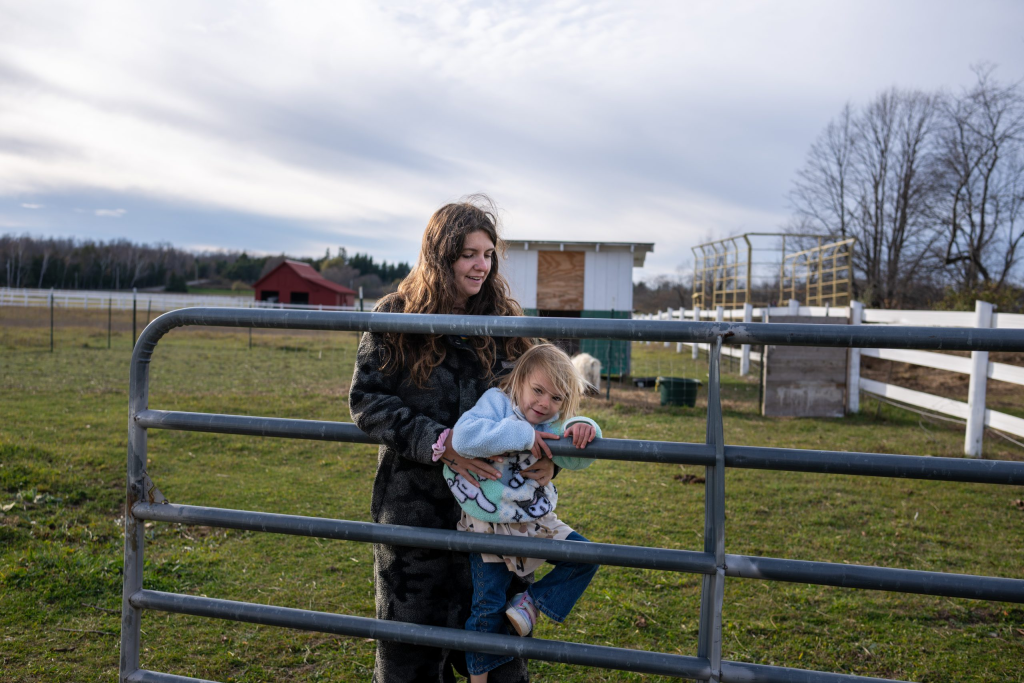
That self-selected isolation draws families who want to “step out of the mainstream,” Verboomen said. Hannah Dusik returned six years ago after bouncing around the country. She and her husband bought a farmhouse on several acres and built a hobby farm — ducks, geese, goats, pigs, sheep, cows — where they homeschool their four children.
“I feel like I’m living in a novel … It’s just slow. My kids are safe,” Dusik told Wisconsin Watch. Adults don’t even want to work a full-time job.
Reasons that defy the stereotype
Cheyenne Watkins, who homeschools her four children, cited religion, a desire to control discussions about gender, and the freedom to travel to visit family in other states.
Marisa Kehren, a former island math teacher with a teaching degree, said homeschooling let her family move with her husband’s FBI career. She can teach the Bible and give individualized attention to her oldest child, who has Down syndrome.
Watson’s research shows homeschooling families now mirror the U.S. population in race, ethnicity, socioeconomic status, education level and geography. Their motivations range from school safety to cultural preservation to simple scheduling flexibility. Families frequently move in and out of public schools, stitching together a hybrid approach year by year.
Kehren said she re-evaluates annually. Her daughter, a “social butterfly,” wants to enroll eventually.
A porous boundary
Wisconsin law requires public schools to allow homeschoolers to take up to two classes per semester and to participate in sports and extracurriculars. The district collects partial state funding for the time those students spend in the building.
Watkins’ 12-year-old daughter plays on the school soccer team and attends dances. Kehren’s children join chess club and team sports. Older students sometimes enroll for advanced math or science that is difficult to teach at home.
“I want their kids to get here and be like, ‘Mom, I want to go back. I want to be here.’ I want them to be in school,” Verboomen told Wisconsin Watch. The building has capacity for twice the current enrollment with minimal marginal cost — “more toilet paper, and you know maybe a little more cleaning supplies.”
Teacher recruitment remains a challenge. The remote location and housing costs push Verboomen to hire “good people” he knows and help them secure emergency licenses, an increasingly common practice statewide. “We’ll do whatever,” he said. “I’ve had to be shameless.”
Record growth, uncertain floor
Homeschooling in Wisconsin surged during the pandemic, dipped slightly, then climbed for three straight years to its highest level since the state began collecting data in 1984, according to Wisconsin Watch. Public school enrollment continues to decline while private enrollment stays flat.
On Washington Island, the financial pressure is acute. The district has asked voters to approve referendums to plug budget gaps and recently crowdfunded for a new gymnasium, hanging donation banners around town.
Yet the social fabric holds. Most homeschooling families belong to a single text-message group. Parents gather regularly for shared lessons and activities. “We’re all close,” Dusik said. “We’re all best friends.”
Related reading

Beshear Defends DGA Texas Spending Amid 2028 Contender Talk
Kentucky Gov. Andy Beshear defended his decision not to invest more heavily in Gina Hinojosa’s successful race for...

Eleven Medicaid providers were indicted on fraud charges in Franklin County Common Pleas Court
Eleven Medicaid providers were indicted on fraud charges in Franklin County Common Pleas Court, including two from the...
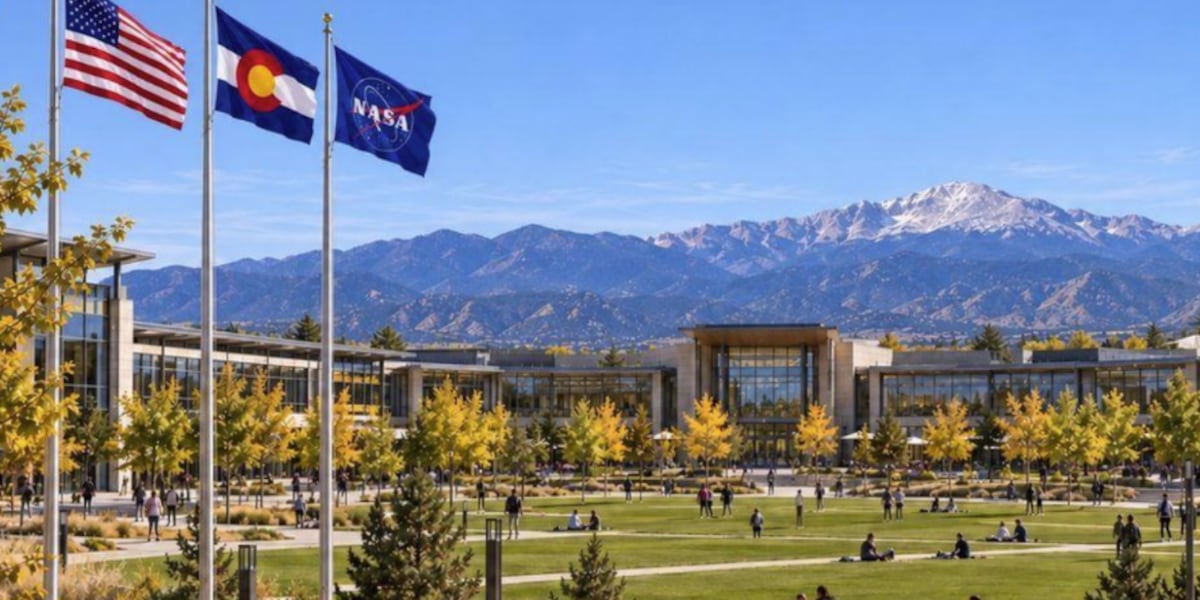
Colorado Submits Bid for U.S. Space Academy at Banning Lewis Ranch
Colorado submitted its formal bid Monday to host the new United States Space Academy, pitching a 508-acre site...

Lincoln County Man Arrested in Connection With Death of Estranged Wife
Lincoln County authorities arrested Jason McDonald, 45, early Wednesday in connection with the death of his estranged wife,...