
Hundreds of people took to the streets in cities across South Africa, including Johannesburg, Pretoria, Cape Town, Durban, and eThekwini, participating in coordinated placard protests under the banner of Operation Ubuntu (Source). The mobilization brought together a coalition of over 60 civil society and social justice organizations representing communities across the country and the wider continent (Source).
Hundreds March Across South African Cities Under Operation Ubuntu
The mass action served as a declaration of solidarity and a demand for an end to rising xenophobia, housing insecurity, and vigilantism. Activists stressed that the demonstrations were timed on the eve of Women’s Day to underscore that the safety of women and children remains non-negotiable (Source).
Demands to End Xenophobia and Vigilantism
Protesters called for immediate accountability for individuals and groups perpetrating violence, harassment, and intimidation against foreign nationals (Source). Demonstrators highlighted that refugees and migrants in South Africa have faced daily incidents of extortion, forced business closures, and looting (Source).
Organizers criticized vigilante groups that have conducted door-to-door checks demanding African and Asian migrants show identity documents and passports (Source). Operation Ubuntu specifically targeted the South African Police Service (SAPS) in its memorandum, criticizing authorities for failing to take direct, sustained action against vigilantism and failing to protect vulnerable migrant communities (Source).
Protest speakers and civil society leaders rejected the notion that migrants are responsible for the nation’s socioeconomic challenges. Mametlwe Sebei, president of the South Africa General Workers Industry, stated: These problems of unemployment, housing, poor health care, crime and drug abuse are not caused by migrants but governance failures. We reject these claims linked to migrants,
(Source).
Housing Rights and Opposition to the PIE Amendment Bill
In addition to combating anti-migrant sentiment, Operation Ubuntu marched to the Premier’s Office to voice strong opposition to the proposed amendment to the Prevention of Illegal Eviction (PIE) Act (Source). Housing activists, informal settlers, and civic movements argued that the legislative revision criminalises poverty and weakens existing constitutional protections (Source).

Under the current framework aligned with Section 26 of the Constitution, individuals cannot be evicted without a court order (Source). Activists expressed deep concern that the proposed amendments would empower courts and municipalities to order mass evictions without requiring meaningful prior engagement or guaranteeing alternative accommodation (Source).
Wider Context of Migration and Government Action
The marches unfolded against a broader backdrop of intense national debate over immigration, deportations, and voluntary repatriations. According to Justice Minister Mmamoloko Kubayi, the government has sent back 53,000 African migrants through voluntary repatriation and deportation initiatives intended to crack down on illegal immigration (Source). Thousands of migrants from nations including Zimbabwe, Uganda, Nigeria, Ghana, Mozambique, and Malawi have chosen voluntary repatriation (Source).
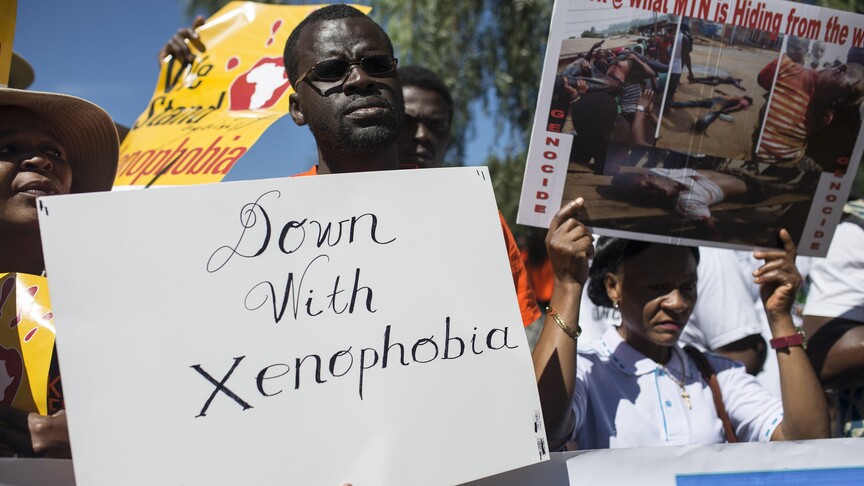
Operation Ubuntu participants urged the government to halt deportations and shift focus toward addressing structural governance issues (Source). Demonstrators handed over lists of demands to local authorities, calling for the arrest of drug lords, a halt to mass shootings, and accountability for individuals inciting violence and hate speech against foreign nationals (Source).
Worth a look
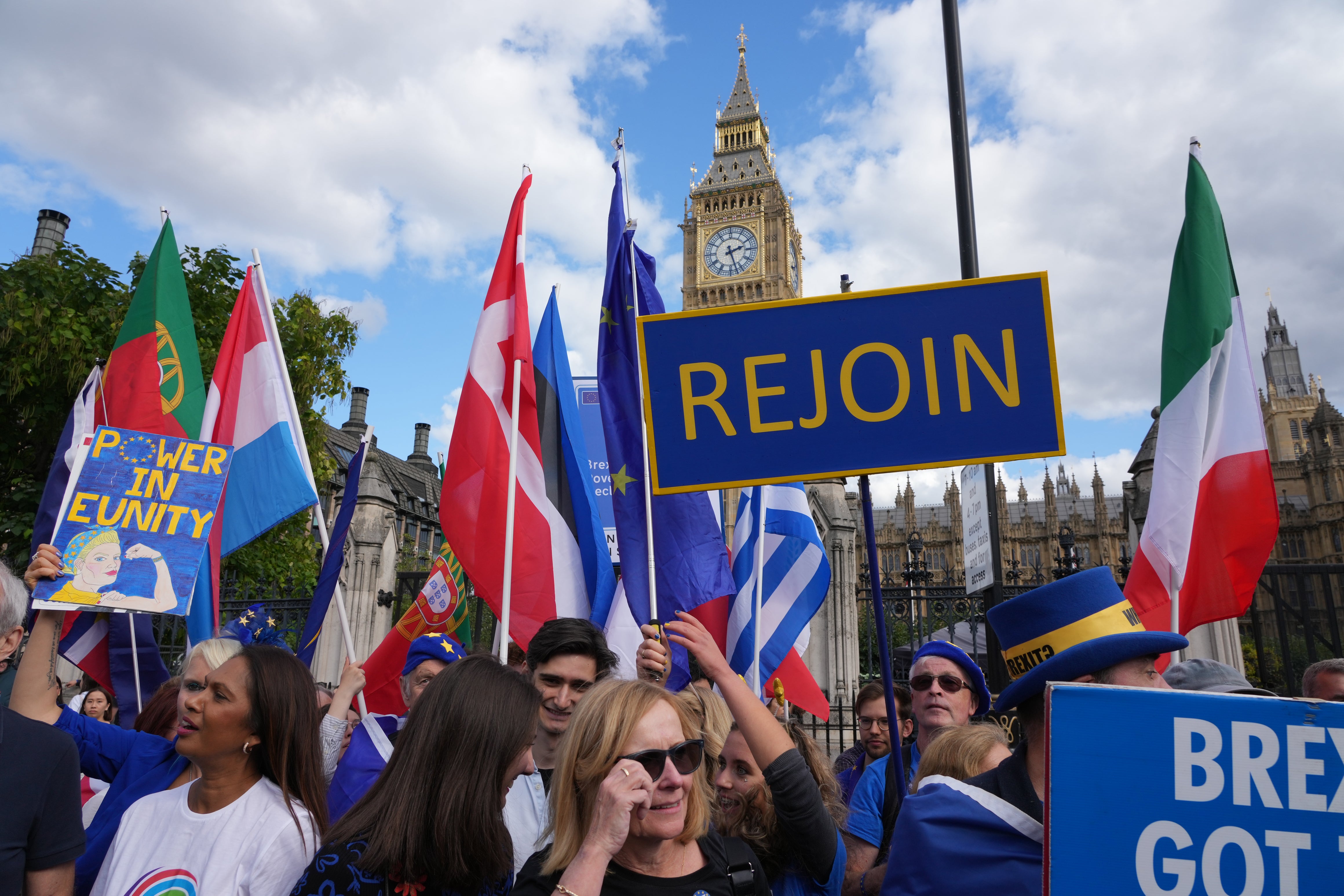
Downing Street Tests Public Support for UK Rejoining the EU
Downing Street is gathering evidence and testing public opinion on rejoining the EU, with senior officials consulting pollsters...

Trump Bans Canadian Alcohol Imports Under Smoot-Hawley Tariff Act
President Donald Trump implemented a trade ban on $800 million worth of Canadian alcoholic beverages on September 29,...

Pope Leo XIV Challenges Nvidia CEO Jensen Huang Over AI Safety Risks
Pope Leo XIV publicly challenged Nvidia Chief Executive Jensen Huang on September 28, 2026, rejecting claims that artificial...