
Oregon Attorney General Dan Rayfield filed a $2.035 billion lawsuit against OpenAI on Tuesday, accusing the company of knowingly endangering children and misleading parents about the safety of ChatGPT.
The complaint, lodged in Multnomah County Circuit Court, alleges the San Francisco-based company violated Oregon’s Unlawful Trade Practices Act by marketing its chatbot as safe for minors while failing to install adequate guardrails against content promoting suicide, self-harm and eating disorders.
Rayfield said the suit arose from a pattern of harm documented across the country, not from a single incident in Oregon. “OpenAI continues to look parents in the eyes and say this product is a safe product when it’s continuing to cause harm in our communities,” he told OPB.

The 53-page filing argues that ChatGPT’s design — its ability to remember personal details, offer affirmation and simulate empathy — hooks children emotionally before their developing brains can regulate those attachments.
Mitch Prinstein, chief science officer at the American Psychological Association, told The Oregonian/OregonLive earlier this year that the neural circuitry driving social approval matures years before impulse control, leaving teens uniquely vulnerable to an algorithm that “tells people what they want to hear, even when that feeds into harmful thinking.”
The $2 billion calculation
Rayfield’s office said the damages figure reflects the number of Oregon children who have used or have access to ChatGPT, though the complaint does not specify how many minors the state believes were actually harmed. The suit seeks civil penalties, restitution and a court order forcing OpenAI to strengthen safety controls and stop marketing the product as safe for kids.
OpenAI spokesperson Drew Pusateri disputed the core allegations in an emailed statement, saying the company has built “protections for teenagers that many other AI products lack” and continues to work with experts to strengthen them. “We’re committed to working with states on advancing pragmatic AI policies that apply to the entire AI industry and not just one company,” Pusateri said.
The company also pointed to usage data showing teens spend an average of less than 15 minutes a day on the platform and that nearly nine in ten weekly teen users turn to it for learning, skill-building or productivity.
Disputed safety features
Oregon’s complaint takes direct aim at OpenAI’s “ChatGPT for Teens” tier, which links a parent’s account to a child’s. State attorneys wrote that the version’s purportedly stronger safeguards are easily bypassed and that it failed to alert parents when underage users asked about suicide, self-harm, eating disorders or mental health crises.
An October report by Common Sense Media, cited in the lawsuit, found the platform struggled to recognize underage users and did not consistently notify linked parents when conversations showed signs of crisis.

The company has disputed a separate lawsuit from the parents of Adam Raine, a 16-year-old California boy who died by suicide last year, saying that complaint took portions of the teen’s chat logs out of context. OpenAI says it has since introduced parental controls, break reminders and age-estimation technology, along with extra safeguards for users it identifies as under 18 even without a linked parent account.
A widening legal front
Oregon’s action follows a bipartisan coalition of eight states that sued OpenAI last month over similar allegations. Rayfield framed the case as part of a broader “Keeping Kids Safe” initiative announced at a Tuesday press conference alongside Multnomah County District Attorney Nathan Vasquez, state Representative April Dobson and education officials.
The initiative builds on an August settlement with Meta that imposed daily time limits, overnight blackout periods and school-hour notification restrictions for minors on Facebook and Instagram — a deal worth $125 million.
“I’d like to believe that there’s power in parents and across this country, if all of us as parents stood up and said, ‘absolutely not’ that would change the behavior of some of these organizations. But sometimes it isn’t enough. Sometimes it’s with the legal tools that we have in partnership with parents to get the change.”
Dan Rayfield, Oregon Attorney General, per KATU
New state law looms
The lawsuit lands weeks before Senate Bill 1546 takes effect in January. The law will require AI chatbot operators to detect signs of suicidal ideation and self-harm, direct users to crisis resources, and prohibit the use of emotional rewards or engagement loops designed to keep children chatting. Rayfield declined to say whether OpenAI’s products played any role in recent high-profile youth violence cases in Bend and Portland, citing ongoing investigations.
If you or someone you know is considering suicide, help is available. Call or text 988 for 24-hour, confidential support, or visit 988lifeline.org.

President Uchtdorf Teaches Peace, Joy Beyond Grief at Volkstraurtag
White headstones stretched across Fort Douglas Post Cemetery on Sunday as President Dieter F. Uchtdorf stood before hundreds...

Tony Buzbee Files $200M Suit for Houston Mom Who Threw Daughters From Window to Escape Kia Telluride Fire
Attorney Tony Buzbee filed a $200 million lawsuit Tuesday on behalf of a Houston family who lost their...
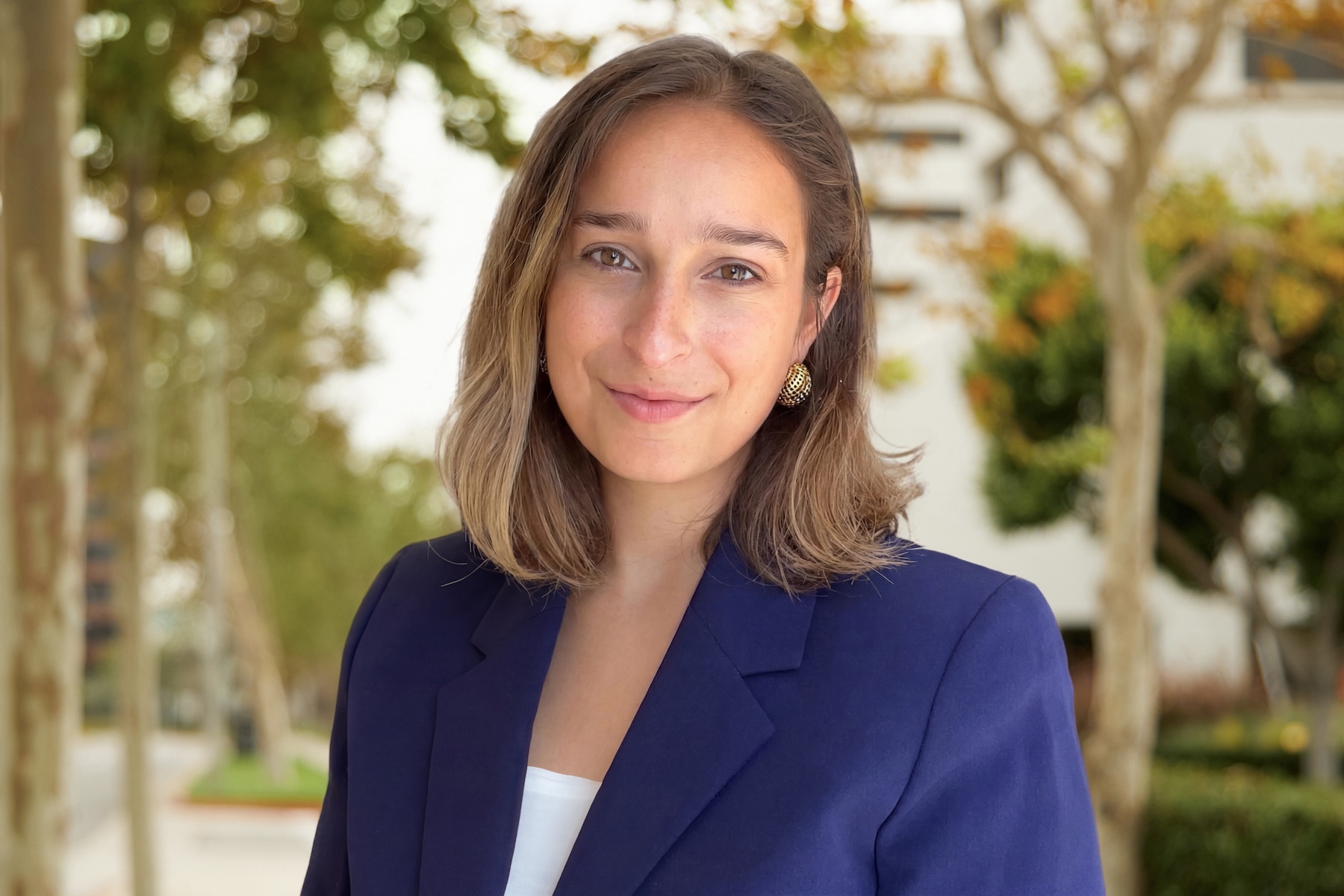
GreenLight Fund Fellow: Nashville Listening Tour Shows Philanthropy Must Cede Power to Locals
In a first-person account for GreenLight Fund, Sophie Huttner details how a summer of listening tours across Nashville...

Sioux Falls Opens 23rd Winter Wonderland With Tree Move to Jacobson Plaza
Sioux Falls flips the switch on its 23rd Winter Wonderland Friday, moving the city's 50-foot holiday tree to...