
- ODOT’s budget gap grew by $40 million this week, reaching $240 million ahead of the 2027 legislative session.
- More than 80% of Oregon voters rejected gas tax and fee hikes in May.
- Without new revenue, ODOT would cut an estimated 500 jobs and end passenger rail by 2032.
- The workgroup’s top scenario requires $1.38 billion annually — $80 million less than a failed 2025 package.
The 12-member workgroup Gov. Tina Kotek tasked with stabilizing the Oregon Department of Transportation met for its seventh and final time Thursday in Salem.
Its charge: outline options for lawmakers who convene in January for a six-month session. The agency announced this week the shortfall had grown by $40 million.
Governor rules out new taxes
Kotek said earlier this month she would not seek additional transportation revenue in her budget. That stance puzzled workgroup members. “So we’ve done all this work, and the governor didn’t recommend new taxes. Why was that?” co-chair Grace Crunican asked Kelly Brooks, Kotek’s transportation advisor. Brooks said the scenarios serve as a roadmap if lawmakers again fail to find money.
“I just want to make sure you do not conflate that with an endorsement from her of taking no action,” Brooks said. “She believes the Legislature should take action and help solve the problem, but she wanted to make sure we had a blueprint for if that does not happen.”
Scenario a: $644 million — maintenance only
The first scenario raises $644 million to hold current maintenance and operations steady. Nearly 75% would go to maintenance and operations, 22% to public transit and nearly 5% to safety projects, Central Oregon Daily reported. The workgroup recommends redirecting money from walking and biking programs, passenger rail, freight, and major construction — including bridge and culvert replacement — to roads.
“This continues service levels we have today across maintenance and operations,” ODOT Chief Engineer Tova Peltz said, citing incident response, storm recovery, winter maintenance, and limited paving. Transit would be cut 12% and all passenger rail would end by 2032.
Partial restoration costs $1.18 billion annually
A middle option at $1.18 billion annually — nearly $300 million less than the 2025 legislative package attempted — would nearly double maintenance funding, add $90 million for transit, and restore some money for passenger rail, freight, and Safe Routes to School. Major construction projects would still go unfunded. This scenario is projected to prevent an estimated 2,000 additional traffic fatalities and increase Connect Oregon funding by 25%.

A proactive approach requires $1.38 billion annually
The most ambitious scenario requires $1.38 billion annually. It would allow proactive road maintenance, preserve existing transit, keep walking and biking funding in line with inflation, and expand Safe Routes to School to 20 projects annually. It would also advance one or two major construction projects and prevent the same estimated 2,000 additional fatalities. Walking and biking projects outside Safe Routes and the Oregon Community Paths program would remain underfunded.
Crunican, a former ODOT director, argued for this option. “The more you fix the stuff that’s out there, the better the economy, the better the return to the person that’s even paid the increased taxes we’re talking about,” she said. “They’re going to have a smoother ride and they’re going to have a healthier economy to build on.”
Workgroup details Scenario B funding split
Major construction projects would remain unfunded under this level. The revenue would be split among ODOT, cities, and counties.
Scenario C preserves transit and expands safety programs
The top scenario at $1.38 billion annually would allow proactive road maintenance, preserve existing transit service, and keep walking and biking funding in line with inflation, the workgroup reported. It would also expand Safe Routes to School to 20 projects per year and advance one or two major construction projects.
Co-chair Grace Crunican, a former ODOT director, argued for this option, saying the economic return justifies the cost.
The Oregon Department of Transportation operates on a $6.1 billion biennial budget as of 2026, yet the agency faces a structural deficit because its primary revenue sources — fixed-rate gas taxes and vehicle fees — do not adjust for inflation while construction costs and maintenance obligations continue to rise. Voters rejected measures to increase those taxes and fees in May, leaving the department without a mechanism to close the gap.
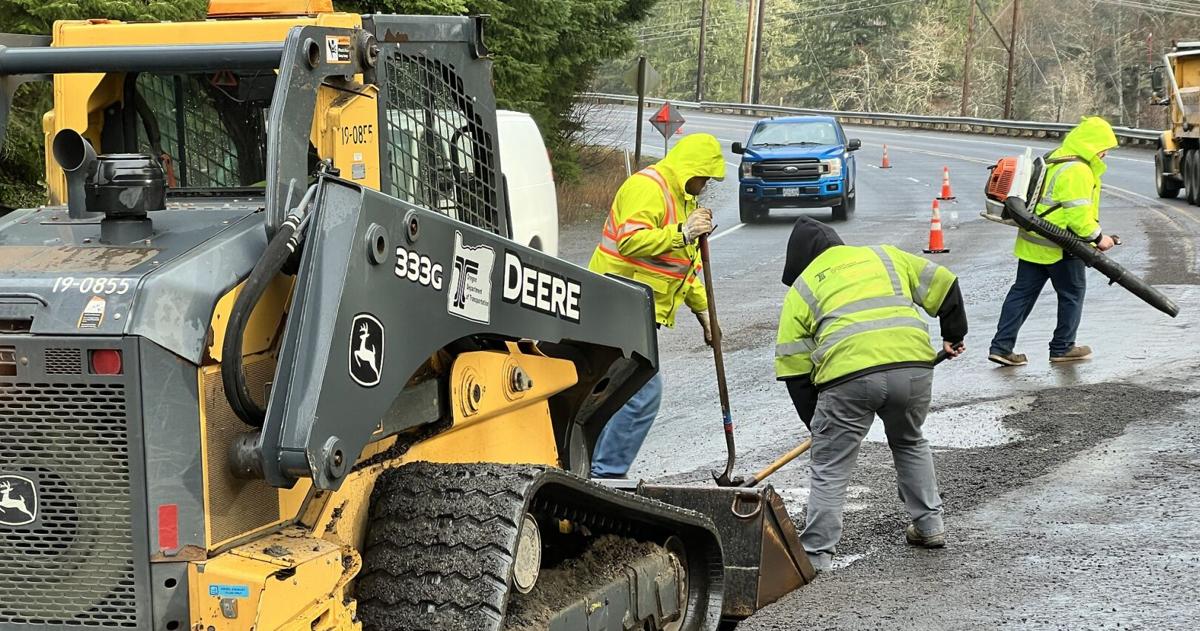
Lawmakers face trade-offs
House Speaker Julie Fahey, a Eugene Democrat seeking another term, said trade-offs are inevitable. “My priority is to keep the lights on at ODOT, not necessarily a big package that gives everyone everything that they want and fully funds every major project in the state,” Fahey said. The workgroup did not provide direction on how ODOT should prioritize if no new revenue materializes. The 2027 legislative session begins in January.
Keep reading
- Army to Detonate 10,000 Pounds of Unstable Lead Azide in Iowa; Illinois Officials Warn of Potential Lead Dust Exposure
- Oklahoma City Water Main Breaks Surge Amid Extreme Weather, Crews Work Around the Clock
- North Texas Edges Arkansas State 74-71 on Late Three in Hoopfest Opener (world-today-news.com)
- RBA's Fifth Hike Adds About A$94 a Month on A$600,000; Three Voted to Hold (daybreakwire.com)

Army to Detonate 10,000 Pounds of Unstable Lead Azide in Iowa; Illinois Officials Warn of Potential Lead Dust Exposure
The U.S. Army plans to detonate 10,000 pounds of unstable lead azide on Wednesday at the Iowa Army...
Oklahoma City Water Main Breaks Surge Amid Extreme Weather, Crews Work Around the Clock
Oklahoma City utility crews are repairing an increase in water main breaks on a nonstop basis, and city...

Gold Rush Mercury Moves Through Nevada County Waterways, Shaping Advisories for 12 Water Bodies
Mercury from Gold Rush-era mines still moves through Nevada County waterways, shaping fish advisories for more than a...

Browns Rookie Boston Leads NFL Rookies in Receiving Yards
Browns rookie Denzel Boston leads all NFL rookies with 523 receiving yards through 10 weeks, cleveland.com reported, a...