Tennessee’s 118th Wing completed a four-day combat readiness exercise at Berry Field Air National Guard Base in Nashville on Nov. 8, testing the unit’s ability to operate when normal systems fail.
The exercise ran Nov. 5–8 and forced Airmen to react to a dynamic, shifting scenario rather than predictable, paper-based training events, ang.af.mil reported. Operational, cyber and support groups worked together to sustain logistics, communications and maintenance under deliberately degraded conditions.
“By deliberately forcing our Airmen to train under these degraded conditions, we strip away the luxury of perfect systems and build the decentralized decision-making needed to survive and fight through chaos,” said Col. Tucker Rojas, 118th Wing deputy commander. “This ensures that when primary plans fail, our Airmen possess both the tools and the mindset required to adapt, overcome and execute the mission.”
Lt. Col. Matthew Fisher, chief of wing plans, said the exercise was designed to make young leaders think on their feet and find creative solutions to complex, unexpected problems.
“We don’t train to prove we are perfect; we train to find our vulnerabilities here at home so we can aggressively fix them,” Fisher said. “This continuous improvement is how we maintain the highest standards of readiness and keep the trust of the communities we are sworn to protect.”
The 118th Wing, a Tennessee Air National Guard unit stationed at Joint Base Berry Field, operates the MQ-9 Reaper remotely piloted aircraft to provide close air support, air interdiction, intelligence, surveillance and reconnaissance, and attack capabilities.
If activated to federal service, the wing is gained by Air Combat Command, placing its combat-ready RPA mission within the active-duty operational structure. The 105th Attack Squadron, assigned to the 118th Operations Group, executes this multi-role mission, which also enables combat search and rescue and extended time over targets to locate, track and strike time-sensitive threats.
Rojas said the wing is called to be combat-ready for the fights of both today and tomorrow, and that the exercise reinforced readiness as a wing-wide responsibility built through realistic training and the combined efforts of every Airman.
Worth a look
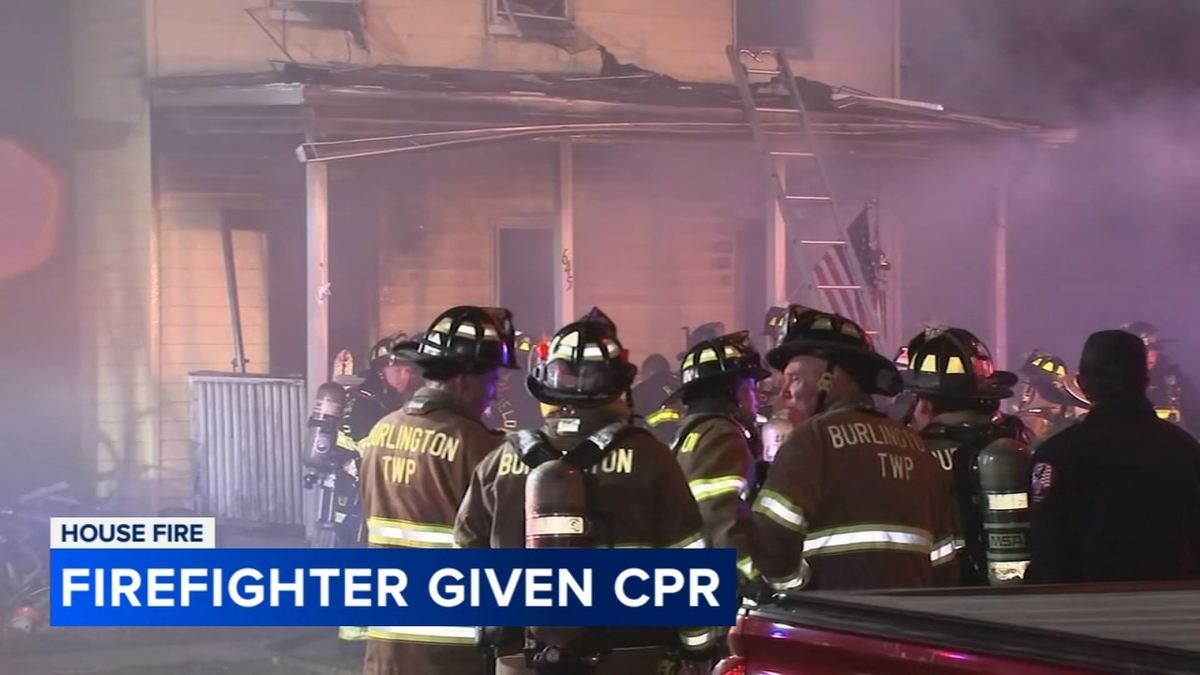
Firefighter Suffers Cardiac Arrest Battling 3-Alarm House Fire in Mansfield Township
A Mansfield Township firefighter collapsed and went into cardiac arrest while battling a three-alarm house fire late Monday...

Manchester City Host Napoli in Champions League; TV and Streaming Providers Listed
Manchester City host Napoli at the Etihad Stadium on Tuesday, 24 November, with kick-off at 20:00 UK time....

Review: The Great Departure Exposes Abuse, Oppression in Varanasi Drama
Pierre Filmon's The Great Departure presents a Varanasi-set drama that strips away romantic convention to expose domestic abuse...
Berkeley Voters Approve Measure AA to Double Soda Tax
Berkeley voters approved Measure AA in the November midterm election, doubling the city's tax on sugar-sweetened beverages from...