
Shore Sound and GoodWorks Entertainment terminated the Back Cove Festival contract and canceled the 2027 edition, citing a 12,500 daily attendance cap.
Portland was supposed to be building a festival tradition; instead, it is closing the book on one before the second chapter could begin.
The Back Cove Music & Arts Festival, which brought Jack White and The Roots to Payson Park for a celebrated inaugural weekend in August 2025, has been canceled for good.
Organizers Jordan Wolowitz of Shore Sound and David Rosenfeld of GoodWorks Entertainment notified city staff earlier this month that they are terminating the three-year contract and scrapping the 2027 edition, citing a daily attendance cap of 12,500 that they say makes the event financially unsustainable.
The decision leaves Maine’s largest city without a planned major summer music festival for 2027 and shows the brutal economics facing mid-size independent promoters. Councilor Anna Bullett, who represents the Back Cove neighborhood, said Tuesday she understands the decision given “today’s economic reality” for producers of that scale.
“After careful consideration, we’ve determined that the current capacity limit does not support a financially sustainable long-term model for the festival that benefits all parties.”
Wolowitz and Rosenfeld wrote in their notification to the city.

The breaking point was a number: 12,500. That was the hard ceiling on daily attendance written into the three-year agreement approved early this year. Organizers asked the city to raise the cap to 15,000, arguing the higher threshold was necessary for viability. City staff and officials declined, with spokesperson Jessica Grondin telling The Portland Press Herald that the inaugural event didn’t even reach the existing limit.
Records bear that out. The city collected $14,122 in ticket fees for 2025 — a $1-per-ticket surcharge that implies roughly 14,122 total tickets sold across the two days, well short of the 12,500 daily allowance. Organizers had previously stated the festival drew about 12,000 people each day, a figure the fee records do not support.
The gap between the cap and the actual turnout is where the financial argument lives. Fixed costs for a festival of this caliber — talent buying, staging, security, insurance — are largely the same whether thousands or 12,000 people show up. Revenue scales with attendance; the cap effectively capped the upside.
The fee structure was set to escalate. Under the terminated agreement, the per-ticket payment to the city would have risen to $1.50 in 2027 and $2 in 2028 and 2029, according to the contract terms detailed by The Portland Press Herald. Meanwhile, the $100,000 payment to the Portland Parks Conservancy — which funded pedestrian upgrades in Payson Park this past year — was a one-time obligation tied to the inaugural event.
This is the second time the festival’s momentum has been broken by contract negotiations. Extended talks last fall over neighborhood impact and city compensation forced organizers to cancel the 2026 edition before it could be booked. At the time, Wolowitz and Rosenfeld said the delay destroyed their ability to secure talent for 2026 but vowed to return in 2027. The amended three-year contract was finally signed early this year.
Then came the capacity request. When the city signaled it would not support an increase, the promoters pulled the plug.
“Today’s economic reality is very challenging for mid-size independent concert producers, so I understand (the organizers’) decision to terminate their contract.”
Bullett said, adding she has encouraged them to consider returning to Portland should the opportunity arise.
The inaugural festival was, by most accounts, a civic success. It earned praise for a family-friendly atmosphere and low impact on Payson Park and the surrounding Back Cove neighborhood — the very concerns that prolonged the council debate a year ago. The $100,000 conservancy payment has already been spent on park improvements.
Wolowitz and Rosenfeld did not respond to a request for comment Tuesday. Their notification to the city closed with a diplomatic note: “It has been a pleasure working with you, and we hope to have the opportunity to work together again in the future.”
Worth a look

Carvana to Build Burlington Inspection Center; Governor Stein Says 300+ Jobs
Carvana will invest $62.5 million in a new vehicle Inspection and Reconditioning Center in Burlington, a deal that...
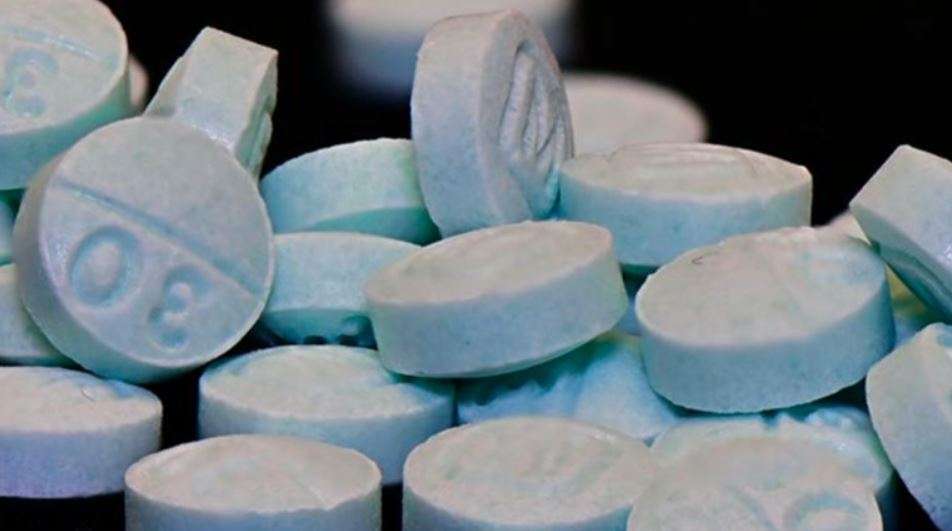
Draper Woman Indicted for Fentanyl Distribution Resulting in Death
A 36-year-old Draper woman faces a federal charge that carries a mandatory minimum of twenty years in prison...

Austin Still Designing NOAH Fund Year After Acacia Cliffs Rezoning
More than a year after Austin approved a rezoning that would erase hundreds of affordable apartments, the city...
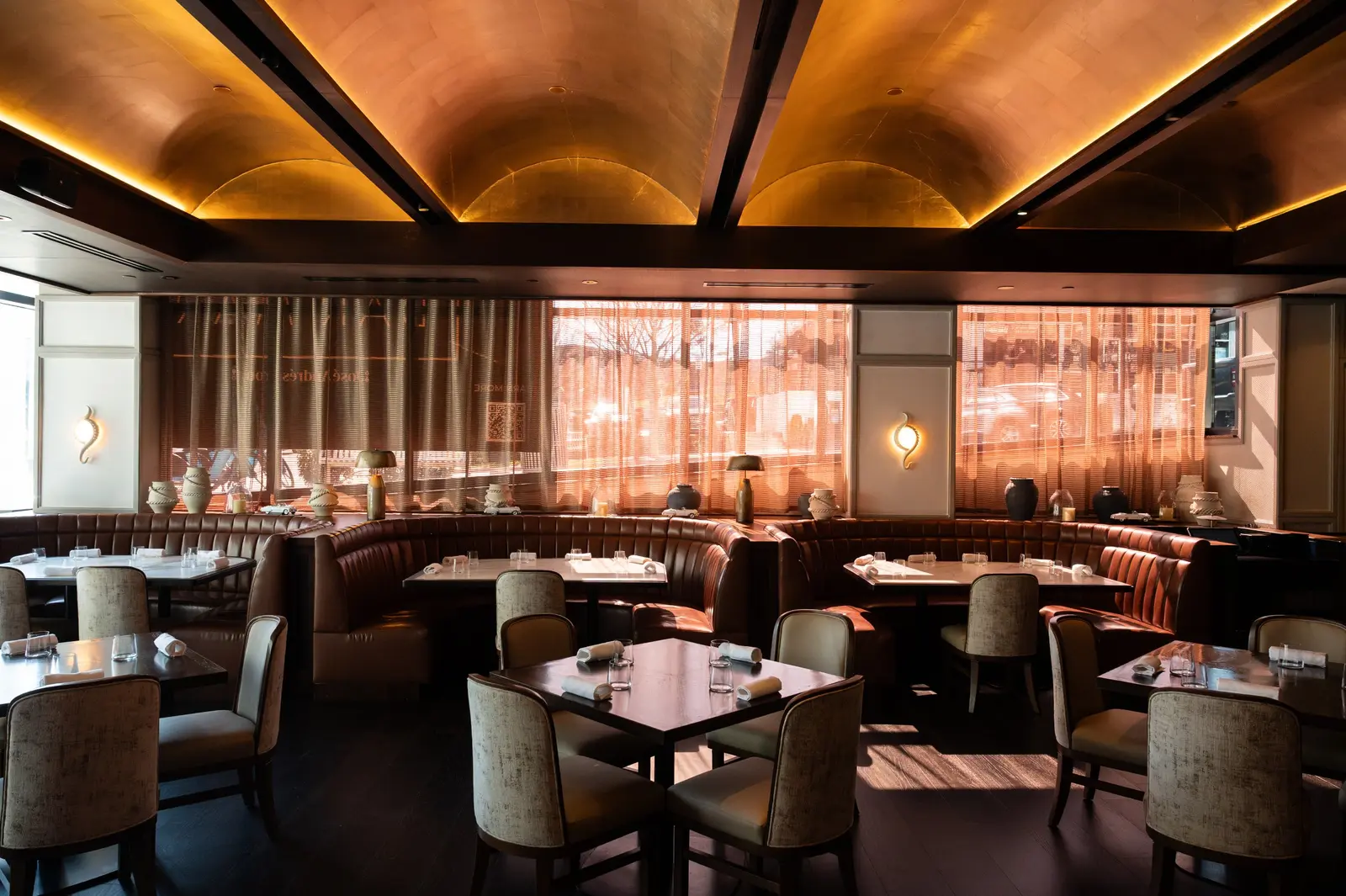
Inside Bar Mar: José Andrés’ Spanish Seafood Tasting Menu & Coastal Hour at the W Nashville
José Andrés brings his Spanish maritime heritage to Nashville at Bar Mar, a seafood-driven restaurant inside the W...