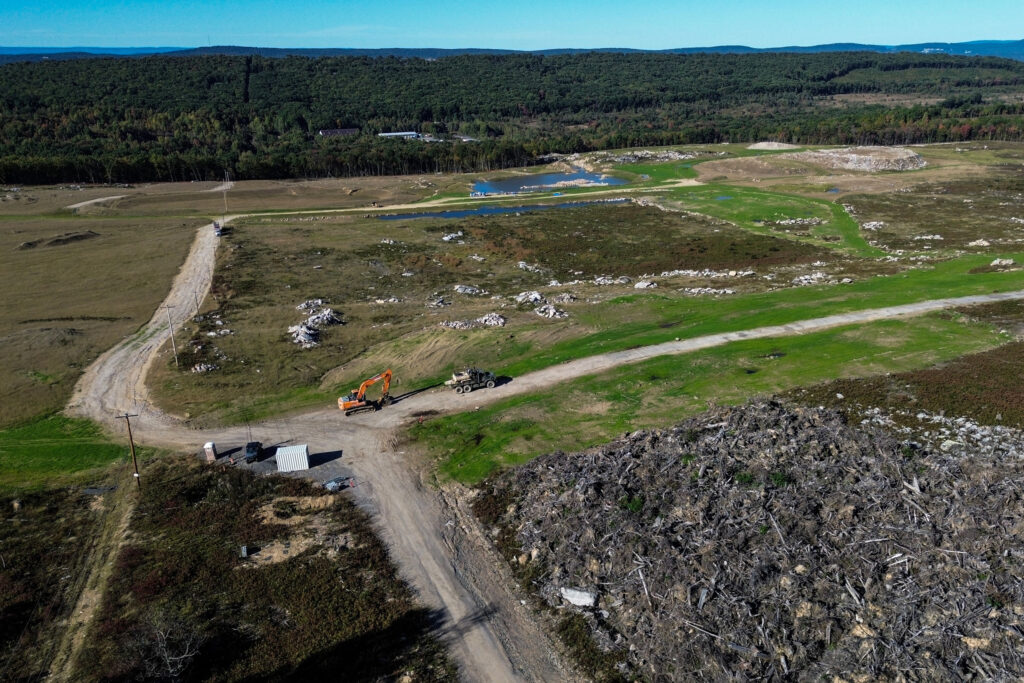
Twenty-seven data center proposals sit winding through Pennsylvania’s permitting pipeline, and the fierce grassroots resistance sparked by that sprawling digital infrastructure has completely redrawn the political map in Harrisburg.
Last week, Pennsylvania Democrats won competitive state legislative races to seize control of the State Senate for the first time in more than three decades, fueled directly by voter outrage over runaway artificial intelligence buildouts and heavy-handed industrial development.
“I’ve never in my career seen anything as unpopular as data centers,” Molly Parzen, executive director of Conservation Voters of Pennsylvania, told Inside Climate News.
The Legislative Mandate to Halt the Buildout
Newly elected lawmakers who flipped deeply contested seats from red to blue are wasting no time acting on that mandate as they prepare for the upcoming legislative session.

A number of bills that stalled while the legislature remained under split partisan control are slated for re-introduction. Those proposals include Sen. Katie Muth’s three-year statewide moratorium, Rep. Paul Friel’s measure allowing municipalities to establish 180-day local moratoriums on new applications, and Rep. Greg Vitali’s legislation to repeal the lucrative data center sales tax exemption.
Governor Josh Shapiro shifted his own stance over the past year, moving from an initial push to fast-track developments to signing an executive order establishing tighter guardrails.
Resistance in the Poconos and Beyond
In Northeastern Pennsylvania, the pushback proved decisive at the ballot box. Brian Wrightson spoke about local anxiety over data center proposals targeting the region, according to Inside Climate News.
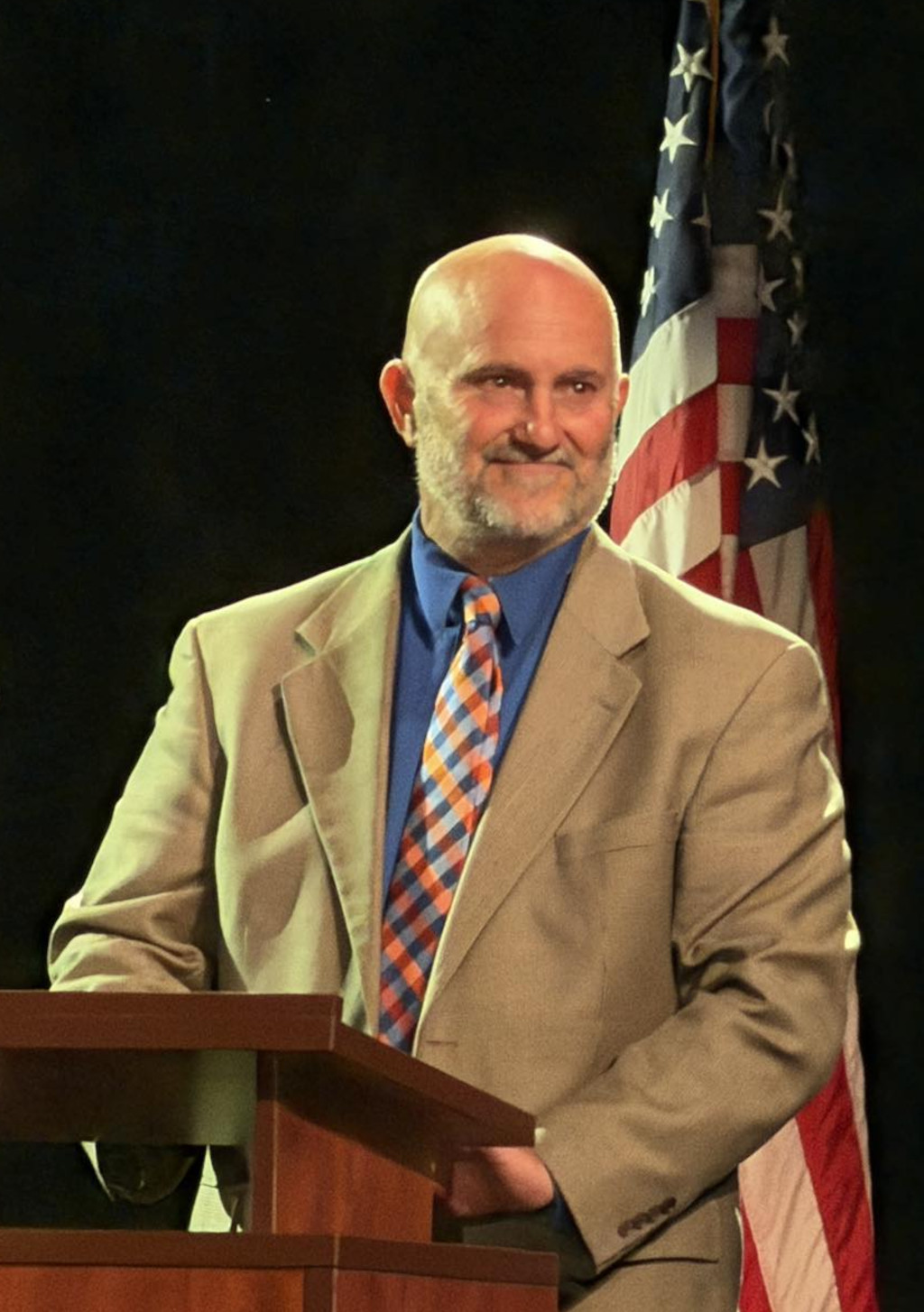
“I’m never gonna close my mouth about it,” Wrightson said in an interview with Inside Climate News.
Wrightson wants a complete halt to all facility development in the region when the new session opens in January. He favors any mechanism that slows the pace, whether that means a 180-day municipal pause or a three-year statewide freeze that retroactively stops projects already underway so local officials can get clear answers.
In Northampton County, Democrat Jeff Warren flipped the 137th House District seat by hammering home similar themes of community autonomy and ratepayer protection. Warren argues that tech giants must shoulder their own infrastructural burdens rather than leaning on the public grid.
“They need to pay for their own power, they need to generate their own power, distribute their own power,” Warren told Inside Climate News. “We cannot let them tap into the grid and let utility costs continue to increase for consumers in our communities. It’s unacceptable to me.”
The Economics of the Grid and Tax Exemptions
While consumer electric bills across the commonwealth climb upward, the data center industry insists its footprint is not to blame for the financial squeeze on households. Dan Diorio, executive vice president of state policy and government affairs for the Data Center Coalition, defended the sector’s economic footprint.
“The industry is committed to advancing Pennsylvania’s digital infrastructure, supporting energy reliability and affordability, and promoting long-term, responsible economic development,” Diorio said in a statement provided to Inside Climate News, adding that the trade group looks forward to working with stakeholders.
Under Governor Shapiro’s Governor’s Responsible Infrastructure Development standards, developers are asked to supply 100 percent of their own electrical energy and generate 32 percent of it from renewables by 2035. However, local critics fear the “bring your own power” provision creates a dangerous loophole that will encourage developers to build adjacent natural gas plants instead of cleaner alternatives.
Wrightson pointed to his own neighborhood in Jessup, where he already hears, smells, and sees an existing 1.4-megawatt natural gas plant. Watching developers float similar power generation schemes on the opposite side of the valley leaves him questioning local air quality.
Financial incentives are facing an equally rigorous legislative reckoning. Warren took direct aim at the sales tax exemptions granted to developers under previous legislative majorities, noting that state government estimates project the tax break could cost the commonwealth roughly $2 billion in lost revenue by mid-2031.
“I don’t believe in tax breaks for billionaires,” said Democrat Sara Agerton, who flipped the House 88th District seat in Cumberland County. “We need to fight back against that.”
What Comes Next in Harrisburg
On November 10, Department of Environmental Protection Secretary Jessica Shirley announced that the agency is actively negotiating with several developers to bring their projects into compliance with Shapiro’s infrastructure standards, though none had formally signed on yet out of the three projects already approved by the agency.
Related reading
Patrick Newbold to Depart as Top CMS Tech Official – FedScoop
“Instead of leading with AI, we’re going back and we’re leading with outcomes,” Patrick Newbold said while speaking...

Forest Service and TNC Partner to Reduce Wildfire Risk in Idaho and Wyoming
Forest restoration projects launched in Idaho and Wyoming through a partnership involving The Nature Conservancy to mitigate wildfire...
Former Eastlawn Principal NOT Guilty on All Counts of Sexual Assault
Former Eastlawn Elementary School principal Daniel McInnis was found not guilty on all counts by a jury on...

At 43, Robert Strauss Continues Training to Be the ‘Dad Bod Destroyer’ – Muscle & Fitness
At forty-three, former professional wrestler Robert Strauss still maintains the physical conditioning that earned him his signature moniker,...