
Pennsylvania House leadership roles will shift following a series of internal party elections held during the chamber’s final session week of the year, WENY News reported.
While Democratic members opted to maintain their existing leadership structure, the Republican caucus implemented several key changes, including a new appropriations chair and a new caucus administrator. These leadership decisions dictate how legislation moves through the House, as these officials control the procedural flow of bills and the strategic negotiation of policy priorities.
The outcomes of these votes directly impact the legislative roadmap for the upcoming session. Because caucus leaders decide which bills reach the floor for a final vote and facilitate the compromises necessary to pass them, the makeup of these roles determines which issues—from budget allocations to energy policy—gain momentum.
New Republican leadership roles
The Republican caucus, currently serving as the minority party, saw movement in two critical administrative and fiscal positions. Rep. Jim Struzzi has been elevated to the role of appropriations chair, while Rep. Marla Brown of Lawrence County will serve as the new caucus administrator following the retirement of Rep. Sheryl Delozier.
The appropriations committee controls much of the state's budget. Any legislation requiring changes to Pennsylvania’s finances must pass through this committee, which manages the line-by-line details of the general fund budget. In the Democratic caucus, Rep. Jordan Harris of Philadelphia will continue in this role for his third session.
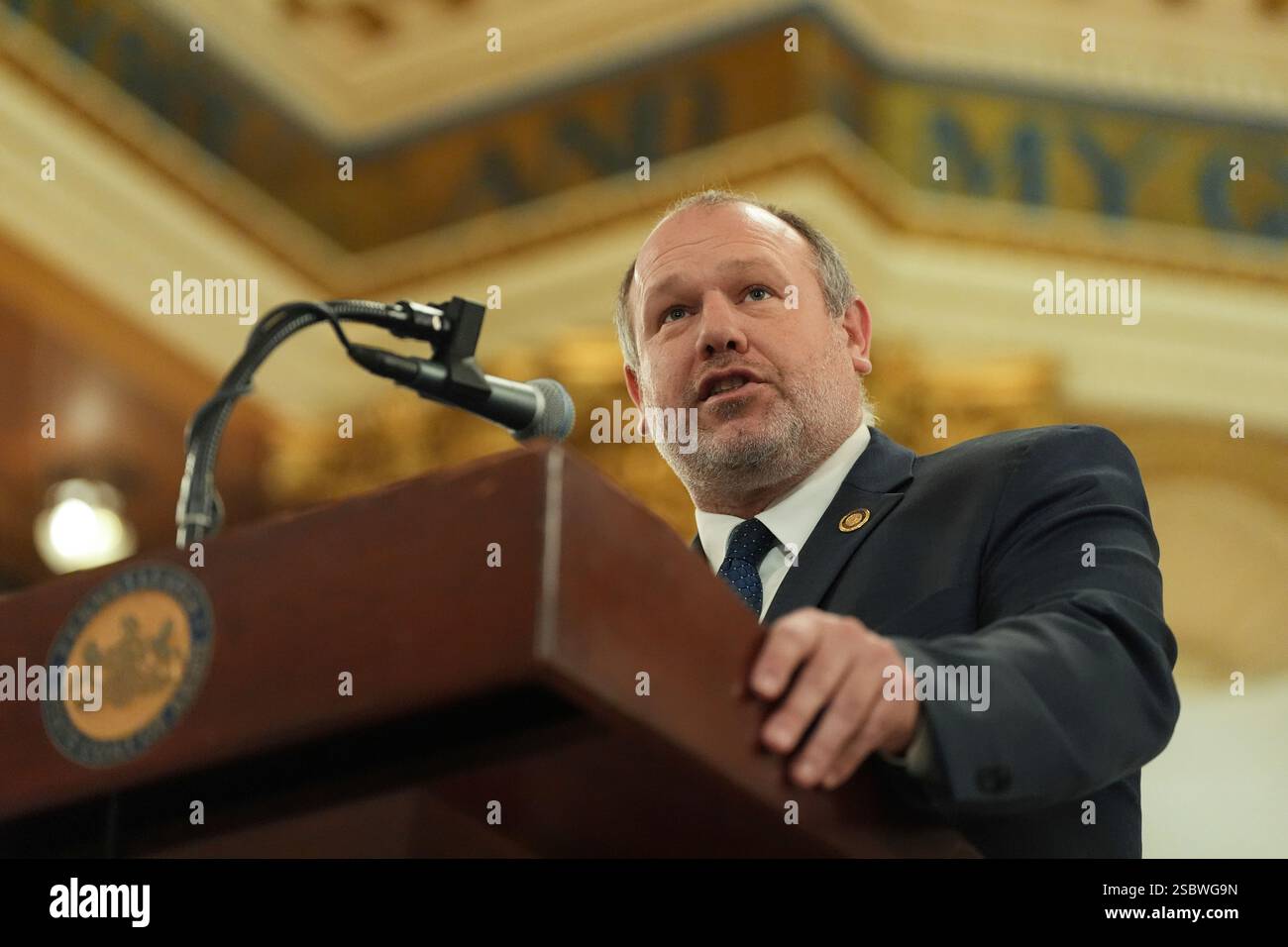
Leadership roles within the House are not merely ceremonial; they serve as the engine of party discipline and policy formation. The following table outlines the leadership structure for both parties as they prepare for the next session:
| Role | Democratic Member | Republican Member |
|---|---|---|
| Majority/Minority Leader | Rep. Matt Bradford | Rep. Jesse Topper |
| Party Whip | Rep. Mike Schlossberg | Rep. Tim O’Neal |
| Appropriations Chair | Rep. Jordan Harris | Rep. Jamie Barton |
| Caucus Chair | Rep. Rob Matzie | Rep. Martina White |
| Caucus Secretary | Rep. Tina Davis | Rep. Clint Owlett |
| Caucus Administrator | Rep. Leanne Krueger | Rep. Marla Brown |
| Policy Committee Chair | Rep. Ryan Bizzarro | Rep. David Rowe |
The mechanics of legislative influence
For the minority party, leadership serves as a defensive and communicative tool. While Republicans cannot force a bill to pass without majority support, the Minority Leader and Whip work to unify party messaging and ensure members have input on the legislative process. The Whip, specifically, is tasked with identifying opposition within the party and problem-solving to find a path toward consensus.
Policy committees offer another arena for partisan distinction. These committees allow parties to explore specific solutions without the requirement of bipartisan input. For instance, the Democratic Policy Committee may focus on matters such as Medicare for All, while the Republican Policy Committee might prioritize hearings regarding how the oil industry affects energy costs.
The Majority Leader, currently Rep. Matt Bradford, holds the power to fine-tune legislation before it reaches a final vote and leads high-stakes negotiations with the governor’s office and other caucuses. This role is essential for ensuring that the majority’s agenda remains cohesive during the intense sessions of the legislative year.
The upcoming session will test how these newly appointed leaders manage the diverse opinions within their respective caucuses. Even within a single party, members often hold vastly different views on how a policy should be drafted, requiring leaders to facilitate compromises or negotiate future political favors to secure immediate votes.
The House of Representatives met for its last session week of the year to finalize these roles and pass remaining bills to Governor Josh Shapiro’s desk.

Suspect Dead After Laramie County Sheriff Shooting on I-80
A deadly encounter between law enforcement and a suspect unfolded Wednesday afternoon near the Hillsdale exit, turning a...
Milwaukee Defeats Wright State 3-2 in Women’s Soccer Match
The UW-Milwaukee Panthers defeated the Wright State Raiders 3-2 in a women's soccer match on Wednesday. Milwaukee secured...

Seattle Mariners Target Ian Happ to Bolster Defensive Priorities
The Seattle Mariners are targeting four-time Gold Glove winner Ian Happ to address defensive gaps in their outfield,...

St. Joseph’s Field Hockey Tops Vermont in NCAA Tournament Shootout Win
Amy Noonan scored the decisive shootout attempt on Wednesday afternoon to secure a 4-3 shootout victory for Saint...