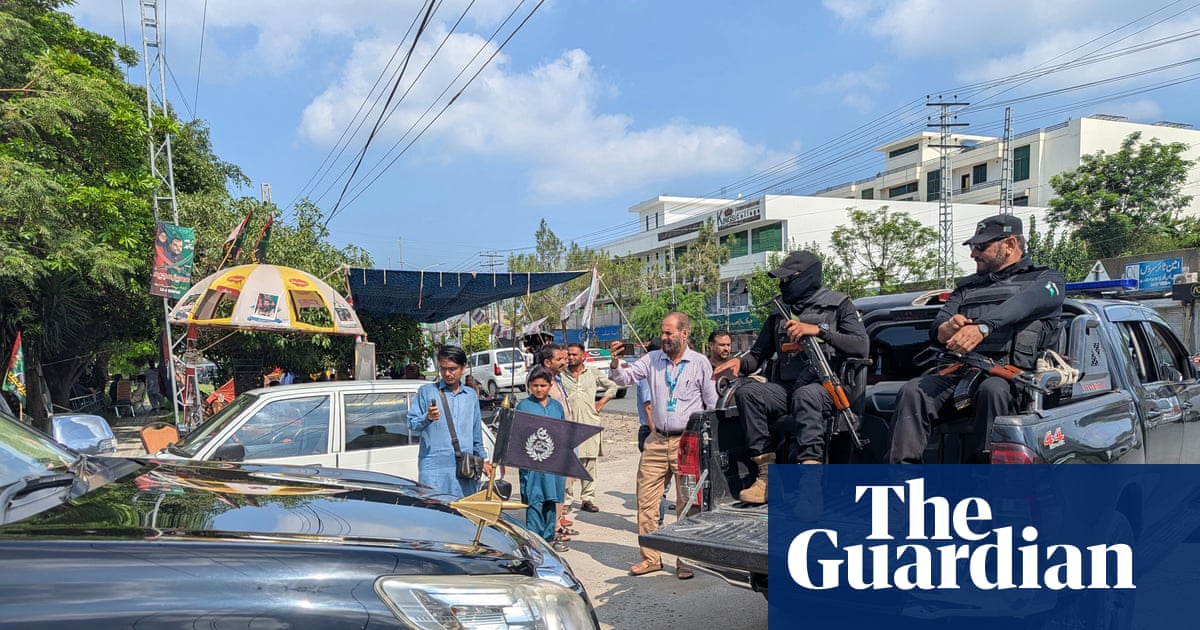
The electoral commission extended polling by one hour to 6:00 PM due to high turnout, but the democratic process was immediately overshadowed by violent confrontations between security personnel and protesters, particularly around the city of Rawalakot, which serves as the epicenter of weeks of demonstrations.
Deadly Election Day Clashes and Disputed Casualties
Casualty figures remain severely contested amid an ongoing communications blackout. Local civil society group the Joint Awami Action Committee (JAAC) alleged that Pakistani security forces fired on unarmed demonstrators, claiming that 25 people were killed on Monday and five more on Tuesday, according to Theguardian. Meanwhile, Rawalakot’s top civilian official, Sardar Waheed, confirmed to AFP that one security force personnel was killed and three others wounded in continuing clashes near Rawalakot.
Regarding civilian casualties, Waheed noted that different groups are claiming 18 to 20 deaths, but we cannot verify these figures, adding that casualties were not being brought directly to government hospitals. JAAC representatives accused authorities of removing bodies from the streets and restricting access to medical facilities in Mirpur to conceal the scale of the violence, claims that could not be independently verified because journalists were prevented from accessing the area.
Constitutional Dispute Over Refugee Seats Triggers Boycotts
The root of the current crisis lies in a long-standing political and constitutional battle over 12 seats in the 53-seat regional legislative assembly reserved for refugees who migrated decades ago from Indian-administered Kashmir. The dispute escalated significantly in June when the regional Supreme Court issued a landmark ruling declaring that the contested refugee seats are constitutionally protected and cannot be abolished without a formal constitutional amendment.

Local civil rights groups and the JAAC argue that these reserved seats allow major Pakistani political parties and non-residents to tilt the composition of the local parliament, diluting the political sovereignty of native residents. In response to the unrest and the government’s subsequent decision to ban the JAAC under anti-terrorism laws in June, major opposition groups boycotted the election entirely.

The absence of the PTI fundamentally altered the electoral landscape, leaving the contest primarily between the Pakistan Peoples Party (PPP) and the Pakistan Muslim League-Nawaz (PML-N). Unofficial and unconfirmed results from the Mirpur division show the PPP maintaining a narrow lead over the PML-N, though isolated disruptions marred the voting itself. In Bhimber district, rioters at a polling station snatched a ballot box and set it on fire, destroying votes and prompting election officials to examine whether fresh polling will be required.
International Concern and Staggered Polling Ahead
Amid stretched security personnel and mounting violence, the electoral commission made a last-minute decision to split the voting process into three distinct phases for the first time.
International rights organizations have raised serious alarms about the crackdown. Amnesty International called on Pakistani authorities to lift a severe communications blackout—including internet and mobile service restrictions—that has cut the region off and impeded independent verification.
Meanwhile, geopolitical tensions surrounding the region have intensified. Pakistani Information Minister Atta Tarar alleged during a weekend press conference that the protests were receiving funds and instructions from India. JAAC spokesperson SA Khan strongly rejected the allegation, maintaining that the movement is strictly focused on local political and economic rights. New Delhi countered by stating that the unrest is a direct consequence of Islamabad’s decades-long administrative oppression in the disputed region.
Keep reading

Venus and Crescent Moon to Align in September 2026 Sky
Stargazers caught a striking view on the evening of September 13, 2026, when Venus shone brightly beside a...
Worker Dies After Being Struck by Compressed Air Hose at Jurong Port Road
A 35-year-old worker died at a Jurong Port Road construction site on September 11, 2026, after being struck...
Singapore Police Investigate Three Traffic Officers Over Unsafe Riding Footage
The clip, which surfaced online, shows the outriders cutting across lanes and forcing sudden braking near the Traffic...
Justice Department Deports Legal Resident to Afghanistan in First ATRC Case
The Justice Department deported a 47-year-old legal U.S.