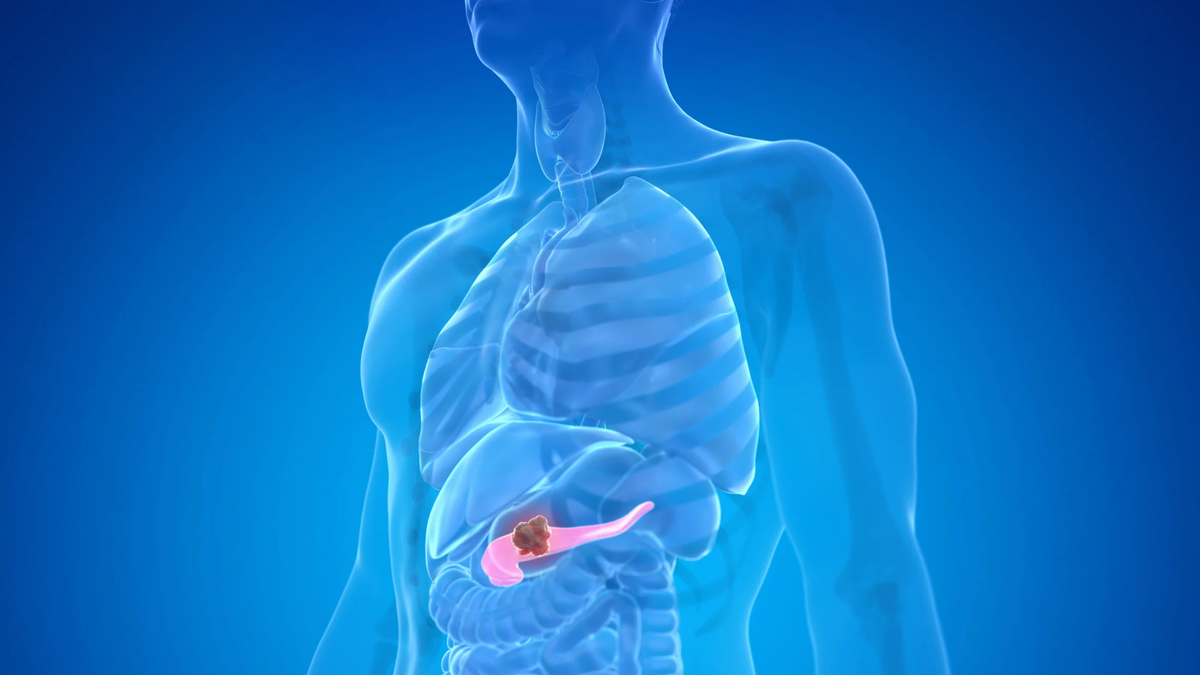
Advocacy groups note that pancreatic cancer is the only major cancer with a five-year survival rate below 20 percent, a figure that has barely moved in decades and sits far below the average for all cancers combined.
Advocacy groups note it is the only major cancer with a five-year survival rate below 20%. The five-year relative survival rate compares people with the disease to people of the same age in the general population; it is an average across every stage and health level, not a prediction for any one person, and it does not mean patients live only five years.
November is Pancreatic Cancer Awareness Month. Recognising the early warning signs of pancreatic cancer and seeking timely medical attention can improve treatment outcomes and save lives.#PancreaticCancerAwarenessMonth pic.twitter.com/PAVJVU40hP
Statistics describe groups, and people are individuals, the Cure Today analysis notes, pointing to survivors such as Dan, who moved from a stage 4 diagnosis to long-term survival. The analysis also notes that an individual’s outlook depends on their stage, their tumor’s features, their overall health and how they respond to treatment.
Stage at diagnosis rewrites the outlook entirely. Only 17 percent of cases are caught while the cancer is still localized to the pancreas. For that group, five-year survival jumps to 44 percent — more than three times the overall rate.
That difference is why oncologists focus so intently on whether a tumor is resectable, meaning it can be removed surgically, often through a Whipple procedure. If surgery is not possible up front, chemotherapy may shrink the tumor enough to make it operable later.
Pancreatic cancer often has no symptoms in its early stages. Be alert to persistent abdominal pain, unexplained weight loss, loss of appetite, jaundice and changes in bowel habits. Do not ignore these warning signs. Seek medical attention promptly.#PancreaticCancerAwarenessMonth pic.twitter.com/Akl4ZmLARQ
Should you be uncertain about your cancer’s stage or whether surgery is an option now or following chemotherapy, request that your oncologist explain it to you.
The disease remains the third leading cause of cancer death in the United States. An estimated 52,740 people will die of pancreatic cancer in 2026, behind only lung and colorectal cancers. Advocacy groups emphasize it is the only major cancer with a five-year survival rate below 20 percent.
That mortality burden is why researchers and advocates are pushing for better treatments, and why the report urges patients to ask about palliative care at diagnosis. Palliative care is specialized symptom management for pain, weight loss and fatigue; it runs alongside disease-directed treatment and is not the same as hospice.
Today is #WorldPancreaticCancerDay 💜 If you've been affected by #PancreaticCancer – we want you to know that you are not alone. We will not stop until we uncover, outpace, and stop the deadliest cancer.#PancreaticCancerAwarenessMonth#WorldPancreaticCancerDay2026 pic.twitter.com/h5iZwigbgO
Today’s survival statistics inevitably lag behind today’s treatments. The numbers are built from patients diagnosed years ago, so they cannot reflect therapies approved since.
During 2026, the FDA gave the green light to Rasonque, a first-in-class targeted therapy for metastatic pancreatic cancer, and Cure Today has recorded a case of a patient who switched from chemotherapy to Rasonque. Separate research on a device called Optune Pax showed it delayed pain in locally advanced disease, focusing on quality of life while living with the cancer.
Clinical trials are another pathway. Many experts encourage patients to ask about trials early — at diagnosis and again whenever treatment changes — rather than waiting until standard options are exhausted. The American Cancer Society’s 2026 data, released in January, shows that every percentage point in the survival tables represents people making those decisions right now.
Tomorrow is World Pancreatic Cancer Day, and we're joining forces with the @worldpcc members across the globe to once again highlight the importance of early detection and raise vital awareness. Symptoms can vary for each person, but knowing the symptoms can save lives. 💜 pic.twitter.com/lO1FVp0uiL
Worth a look

Nepal PM Balendra Shah to Visit India for Talks With Modi on Nov 22-23
Nepal Prime Minister Balendra “Balen” Shah will visit India on November 22-23 for his first state visit since...

Indonesia Secures $15 Billion in Chinese Investment Pledges at Shenzhen Business Forum
Indonesia secured US$15 billion in new Chinese investment commitments on Friday as President Prabowo Subianto watched Indonesian and...

Three Vaccinated People Show Hepatitis B Reactivation After Injectable HIV Switch, HIV Glasgow 2026 Finds
Three vaccinated people acquired hepatitis B during a study of switching to long-acting injectable HIV treatment, a finding...

Lorne Doerkson Sworn In as B.C. Premier With 25-Member Cabinet
Lorne Doerkson was sworn in as British Columbia's 38th premier Friday with a 25-member cabinet. Lorne Doerkson was...