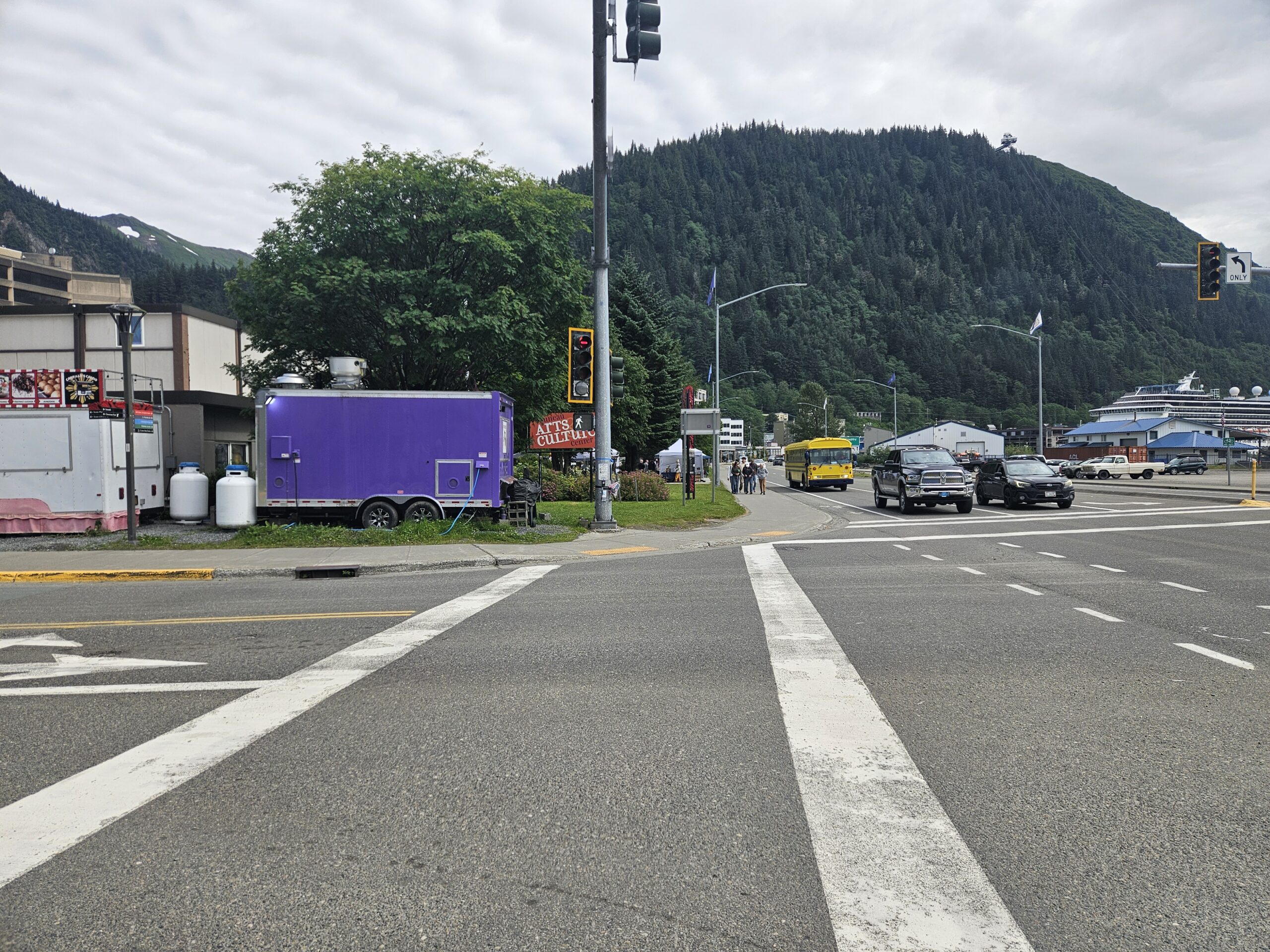
Pedestrian Safety Risks in Juneau’s High-Traffic Zones
Walking through Juneau should be a routine part of daily life, but the reality of urban movement often involves significant risks for those on foot. According to reports from browninjurylawfirm.com, pedestrian accidents in the city can happen easily, often disrupting lives and creating complex legal and financial burdens for the victims involved.
These incidents aren’t just random occurrences; they are frequently tied to specific, high-activity areas where pedestrians and vehicles must navigate shared or narrow spaces. When a person is struck by a vehicle, they lack the structural protection afforded to drivers, making the physical and economic stakes of these accidents exceptionally high.
Where Accidents Frequently Occur in Juneau
While an accident can happen anywhere, certain geographic clusters in Juneau see a higher frequency of pedestrian-related incidents due to the density of foot traffic and vehicle movement. The most notable areas include:
- Downtown Intersections: High-traffic zones such as Franklin Street, Front Street, and the vicinity of Marine Way see constant interaction between visitors, commuters, and vehicles.
- Egan Drive and Yandukin Drive: This specific intersection near Fred Meyer has historically been a point of concern, leading to safety improvements due to the volume of accidents and limited crossing options.
- Nugget Mall Shopping Areas: The complexity of parking lots, driveways, and vehicle entrances near retail hubs creates frequent conflict points between drivers and pedestrians.
- The Juneau-Douglas Bridge and Douglas Highway: Pedestrians in these areas must contend with steady, often fast-moving vehicle traffic.
- The Juneau Seawalk and Waterfront: Despite being popular walking destinations, the proximity to busy streets and vehicle access points remains a risk factor.
How Drivers and Property Owners Face Legal Liability
Once the immediate medical emergency is addressed, the focus often shifts to identifying who is legally responsible for the collision. In most pedestrian cases, liability rests with a driver who acted negligently. Common examples of such negligence include speeding through busy districts, distracted driving involving mobile phones, failing to yield at marked crosswalks, or rushing through turns.

However, the legal landscape is rarely limited to a single driver. As noted by browninjurylawfirm.com, responsibility can be shared among multiple parties. For instance, a property owner might be held liable for an unsafe parking lot, a construction company for hazardous walking conditions, or even the City and Borough of Juneau if broken signals or poor road design contributed to the event.
The Two Primary Paths for Recovery
Victims facing mounting medical bills and lost wages generally have two ways to pursue compensation. The choice between these paths often dictates how evidence is gathered and how much control the victim maintains over the timeline.
| Option | Process Description | Primary Challenge |
|---|---|---|
| Insurance Claim | A process handled outside of the court system, often serving as a faster route to settlement. | The insurance company controls the investigation and typically aims to settle for the lowest possible amount. |
| Lawsuit | A formal legal action that allows for structured evidence gathering and witness questioning under court supervision. | This process is significantly more time-consuming than an insurance claim. |
Regardless of the chosen path, the goal is to recover damages for a wide range of costs. This includes current and future medical expenses, lost income, and the cost of damaged personal property like clothing or glasses. In more severe cases, claims may cover emotional distress, reduced quality of life, or wrongful death expenses.

Gathering Evidence Before Legal Timelines Expire
The window for building a strong case is governed by strict legal timelines.
Because evidence can vanish quickly—particularly digital surveillance or dashcam footage—immediate action is often necessary. While the priority is always calling 911 for medical assistance, gathering the following details can significantly impact a claim:

- Photographic or video evidence of the scene, including traffic signals, lighting, and the vehicle involved.
- Contact information for eyewitnesses.
- The driver’s name, license plate number, and insurance details.
- Official police reports, which serve as vital documentation of the event.
What to Do During Parking Lot Accidents and Hit-And-Runs
What if the accident happens in a parking lot?
Drivers have a legal responsibility to watch for pedestrians even in parking lots. Depending on the circumstances, a business or property owner may also share responsibility if the lot’s layout or condition was unsafe.
What should I do if the driver flees the scene?
Hit-and-run accidents increase complexity, but they do not eliminate all options. Victims may be able to utilize uninsured motorist coverage or other available insurance policies to seek relief.
The intersection of urban density and vehicle speed in Juneau creates a landscape where a single moment of distraction can lead to life-altering consequences. As the city continues to manage its growing traffic patterns, the distinction between a simple accident and a preventable act of negligence remains the central pivot upon which legal and personal recovery turns.
Related reading

Oasis Charter High School Presents Almost, Maine at The Belle Theatre
Oasis Charter High School Brings 'Almost, Maine' to The Belle Theatre The aurora borealis serves as the backdrop...

Westlake Man Extradited to Baton Rouge for Alleged Double Rape of Two Women
A 20-year-old Westlake man is currently facing serious felony charges in East Baton Rouge Parish following a violent...

Ell-Saline and Wichita County face off in 2026 KSHSAA football playoffs
The 2026 KSHSAA football playoffs continue on November 7, 2026, featuring a high-stakes matchup between Ell-Saline High School...

Best Indiana Sports Gift Books for the 2026 Holiday Season
The 2026 Holiday Countdown and Indiana’s Championship Keepsakes With Black Friday arriving on November 27, 2026, shoppers have...