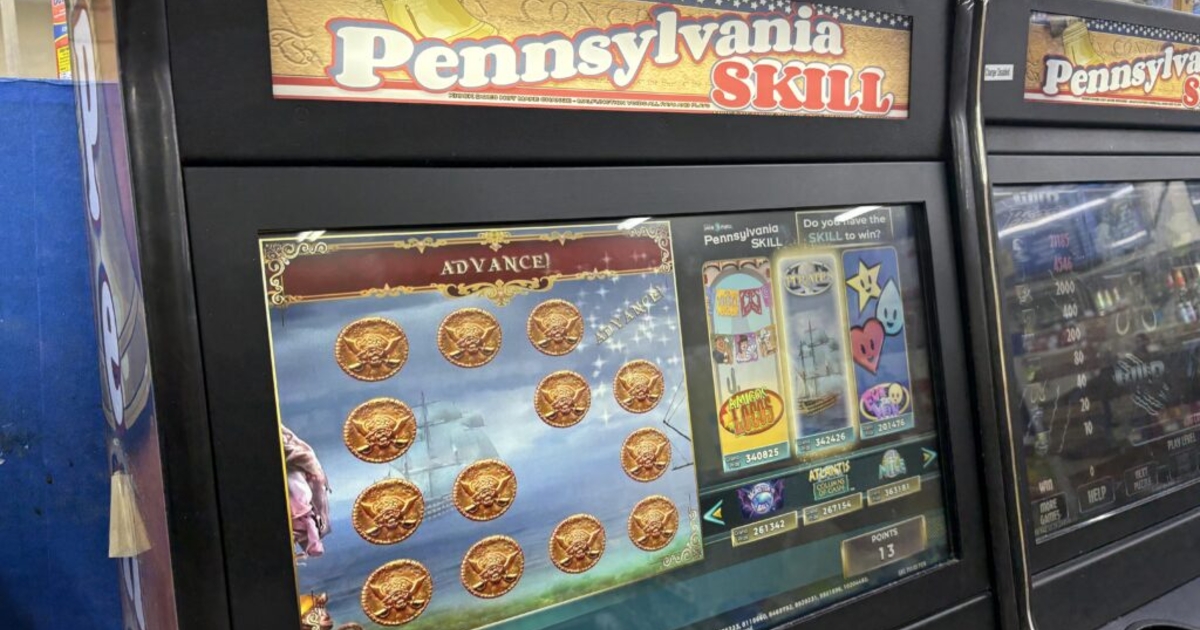
Pennsylvania veterans are facing sudden financial instability after state lawmakers failed to regulate skill games before a legal deadline.
The loss of revenue from these machines has forced many American Legion and VFW posts to confront difficult economic realities, according to Michael Iskric Sr., a veteran and columnist for tribdem.com. While politicians often attend ceremonies to honor military service, the failure to pass a regulatory framework has stripped these community pillars of a vital income stream.
On October 13, skill games were required to shut down across the Commonwealth, Michael Iskric Sr. reported to tribdem.com. This shutdown followed a June ruling by the Pennsylvania Supreme Court, which had given the General Assembly 120 days to establish regulations or face the machines being deemed illegal.
He argued that veterans did not ask for government handouts, but rather a reasonable regulatory solution to maintain financial sustainability.

The economic impact of this legislative inaction extends well beyond the walls of veteran halls. These organizations often use gaming revenue to pay utility bills, maintain aging buildings, and fund charitable programs that support struggling veterans and local youth. Without this money, many posts are now exploring ways to reduce expenses or are being forced to cut charitable donations.
The missed opportunity for revenue and regulation
Lawmakers had a window to create a system that would have provided both oversight and significant tax gains. A regulatory framework could have protected veterans organizations, fraternal clubs, and small businesses while generating an estimated $300 million in annual revenue for the state, according to the reporting from tribdem.com.
While there were legitimate disagreements in the General Assembly regarding tax rates and licensing requirements, the result was a total lack of progress. This stalemate has left community organizations scrambling to replace income they had relied upon for over a decade.
For many, these posts serve as essential social infrastructure. They are places where veterans find understanding and support from those who have shared similar experiences. The loss of funding threatens the very existence of these spaces, with some leaders fearing their organizations may close entirely.
The consequences create a trickle-down effect throughout Pennsylvania communities. When a VFW or American Legion post struggles, the local scholarships, youth activities, and family assistance programs they sponsor are often the first things to disappear.
A call for legislative accountability
The current situation has transformed Veterans Day from a day of ceremony into a moment of accountability. Many in the veteran community are calling for leaders to return to Harrisburg with a commitment to finding a responsible legislative solution that includes clear rules and a fair tax structure.
The debate in the state capital centered on how to best manage the industry, but the ultimate outcome has been a vacuum of support for the organizations that rely on the machines. Veterans are now looking for more than political promises or annual speeches.
The best way to honor service, as expressed by Iskric, is to stand with veterans when they need help. The central question remains whether Pennsylvania’s elected officials will act to restore the stability of these community organizations or allow the financial decline of these veteran-led institutions to continue.
Keep reading
No. 9 Tennessee Faces Texas A&M in Crucial SEC Road Matchup
No. 9 Tennessee faces a critical road test against Texas A&M this Saturday at 3 p.m. Eastern Time....

Oregon Progressives Gain Power to Push Wealth Tax and Policy Shifts
Oregon progressives roughly doubled their presence in the House and Senate during last week's election as the Democratic...

Why Beating Michigan Is the Only Nonnegotiable Left for Ohio State
In a column for Land-Grant Holy Land, a contributor argues that while Ohio State has three games remaining...

Proposed SNAP Rule Changes Could Impact Nevada Families and Retailers
Federal regulators are moving to tighten how families qualify for food assistance, a decision that could strip nutrition...