
Pennsylvania regulators issue dozens of violations as water contamination and abandoned wells persist
The Pennsylvania Department of Environmental Protection (DEP) is grappling with a persistent cycle of industrial non-compliance, ranging from long-term water contamination issues to the growing problem of abandoned oil and gas wells. According to a weekly compliance snapshot reported by PA Environment Digest, the agency issued 62 conventional and 42 unconventional notices of violation (NOVs) between October 31 and November 6, 2026. This surge in enforcement comes as several companies struggle to rectify environmental damage caused by spills and improper infrastructure maintenance.
The scale of the oversight is evident in the year-to-date enforcement figures. So far in 2026, the DEP has issued 4,784 conventional and 1,096 unconventional notices of violation. While inspections remain high—totaling 18,680 conventional and 21,803 unconventional inspections this year—the backlog of unresolved issues continues to mount. For many communities, these numbers represent more than just regulatory paperwork; they signify ongoing risks to local water supplies and land stability.
Water contamination and cleanup failures linger in Greene and Indiana counties
One of the most significant concerns involves the inability of energy companies to meet cleanup mandates following major spills. In Indiana County, INR OPR LLC is still in the process of recovering water and building structures at the Cooper Shale Gas Pad, 72 days after a massive spill of 336,000 gallons of fracking water. Similarly, Equitrans Water SVC (EQT) has failed to comply with a cleanup order regarding contaminated water discharges at the Richter Shale Gas Water Impoundment in Greene County, a situation that has persisted for 135 days.
These incidents highlight the long-term economic and environmental stakes of shale gas operations. While companies continue to develop new sites, such as Seneca Resources’ ongoing work at the Taft Pad in Tioga County, the DEP reports that problems with contaminated water at that same site persist. The tension between active production and environmental remediation is a recurring theme in the state’s energy landscape.
The growing footprint of abandoned conventional wells
Beyond active spills, the state faces a quiet crisis in the form of “orphaned” or improperly managed wells. In Venango County, routine inspections found six more conventional oil and gas wells owned by Anderson Energy SVC LLC that had been abandoned without being properly plugged. This is part of a broader pattern of neglect; the DEP reported that 415 violations for abandoning and not plugging conventional wells have been issued so far in 2026.

The impact of these neglected sites is often localized but can be severe. In the City of Warren, a spill of just one barrel of conventional crude oil from storage tanks managed to impact seven miles of the Allegheny River. This demonstrates how even relatively small volumes of industrial byproduct can have disproportionate effects on sensitive waterways.
The following table summarizes the recent enforcement workload reported by the DEP for the week ending November 6, 2026:
| Category | Weekly NOVs Issued | Year-to-Date NOVs | Year-to-Date Inspections |
|---|---|---|---|
| Conventional Oil & Gas | 62 | 4,784 | 18,680 |
| Unconventional (Shale) | 42 | 1,096 | 21,803 |
Resource scarcity and infrastructure penalties
Environmental pressures are not limited to spills and leaks; they also extend to the raw materials required for production. The Susquehanna River Basin Commission recently reported low-flow stream conditions, a development that forced a halt to 51 shale gas water withdrawals and placed an additional 13 withdrawals on watch status. This scarcity creates a direct conflict between industrial water needs and the ecological requirements of the river basin.
In terms of infrastructure integrity, the Pennsylvania Public Utility Commission (PUC) recently approved a $150,000 penalty settlement with UGI. The fine addresses faulty installation practices involving plastic natural gas pipes, a move intended to prevent future leaks and service disruptions. Meanwhile, the DEP is managing a heavy docket of new permit requests, including a 56-page bulletin of permit-related notices and upcoming hearings for the Shell petrochemical plant in Beaver County.

For residents concerned about the proximity of these operations to their homes, the DEP maintains several tools for public oversight. The Compliance Reporting Database and the Inspection Reports Viewer allow citizens to track the specific compliance records of companies operating in their vicinity. Additionally, the agency provides an Environmental Complaint webpage for reporting emergencies or suspected violations directly to regulators.
As the state navigates a changing political landscape—with recent elections resulting in Democratic control of the PA Senate while retaining the House and Governor’s office—the regulatory approach to the energy sector remains under intense scrutiny. The ability of the DEP to bridge the gap between active industrial development and the enforcement of long-term cleanup orders will likely define the state’s environmental trajectory in the coming years.

V Golden Game Wins $16,250 Olympia Joe Stakes at Lone Star Park
V Golden Game Secures $16,250 Olympia Joe Stakes Victory at Lone Star Park V Golden Game, a multiple...

DLA Richmond maintains critical mission functions during weather
Defense Supply Center Richmond maintains critical mission functions during hazardous weather The Defense Supply Center Richmond (DSCR) will...

Nashville SC Sets 7 MLS Records in Historic 2-0 Win Over FC Cincinnati
Nashville SC sets MLS records with dominant regular season finish Nashville SC secured a historic conclusion to their...
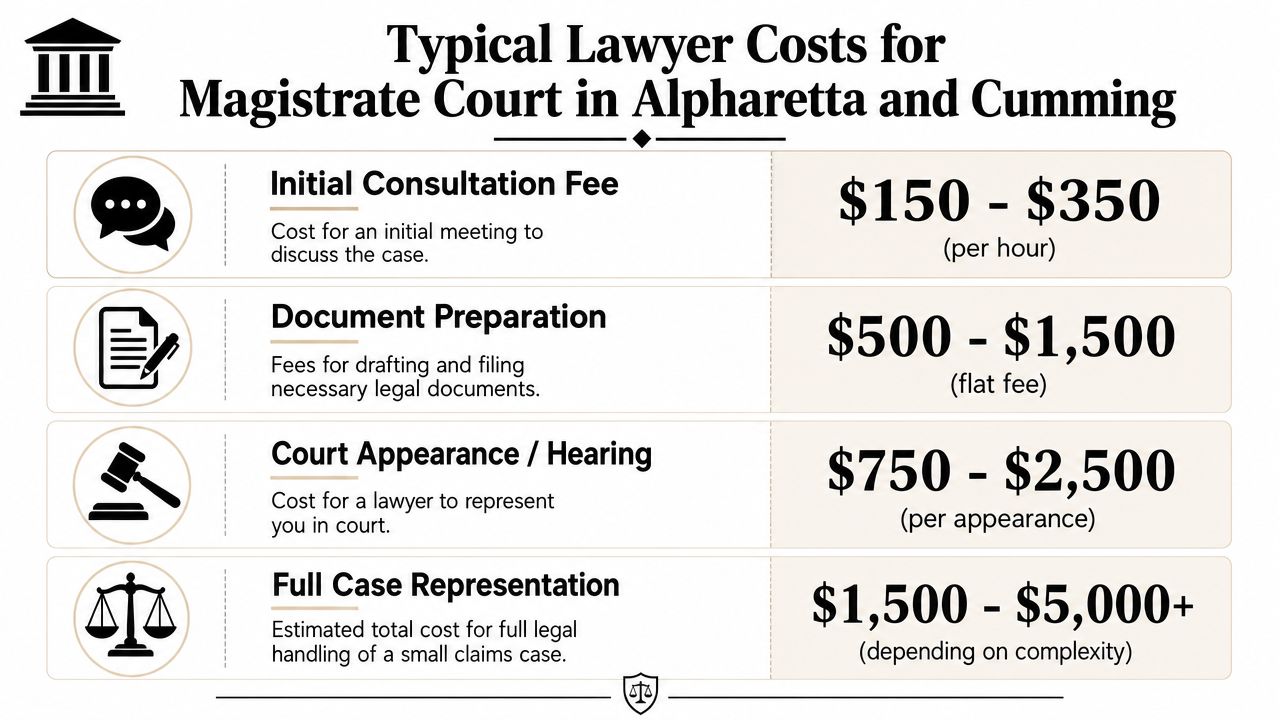
South Carolina Bill 4813: Increases Magistrate Court Fees and Costs
Starting January 1, 2027, the cost of accessing South Carolina's magistrate courts will shift. Under the newly enacted...