“This is a very effective and safe treatment — even in children as young as 1,” said Margherita Fontana, professor of dentistry at the University of Michigan School of Dentistry and the study’s lead investigator.
A Phase III clinical trial published July 27 in JAMA Pediatrics found that applying a 38% silver diamine fluoride (SDF) solution every six months stopped decay progression in more than half of affected baby teeth in 830 children younger than 6. The study provides the U.S. evidence the manufacturer needs to seek FDA approval for SDF as a drug to treat cavities rather than only as a medical device for tooth sensitivity.
Researchers from the University of Michigan, New York University, the University of Iowa and Indiana University recruited participants through dental offices, pediatric medical practices, and Head Start and Early Head Start programs in Michigan, New York and Iowa. The National Institutes of Health’s National Institute of Dental and Craniofacial Research contributed more than $12 million in funding. Elevate Oral Care supplied the formulation tested, Advantage Arrest 38% SDF.
“If we want more children and families to benefit from this treatment, we need rigorous evidence showing both that it works and that it’s safe,” Fontana said. “From a public health perspective, if we want broader implementation across the United States, including in medical settings, we need carefully collected data in U.S. populations, and we now have that.”
SDF is painted onto a cavity with a sponge-tipped applicator in seconds, without drilling, injections or sedation. Silver combats decay-causing bacteria while fluoride strengthens tooth mineral structure. The treatment does not replace lost tooth structure; it arrests decay, meaning the damaged area stops deteriorating.
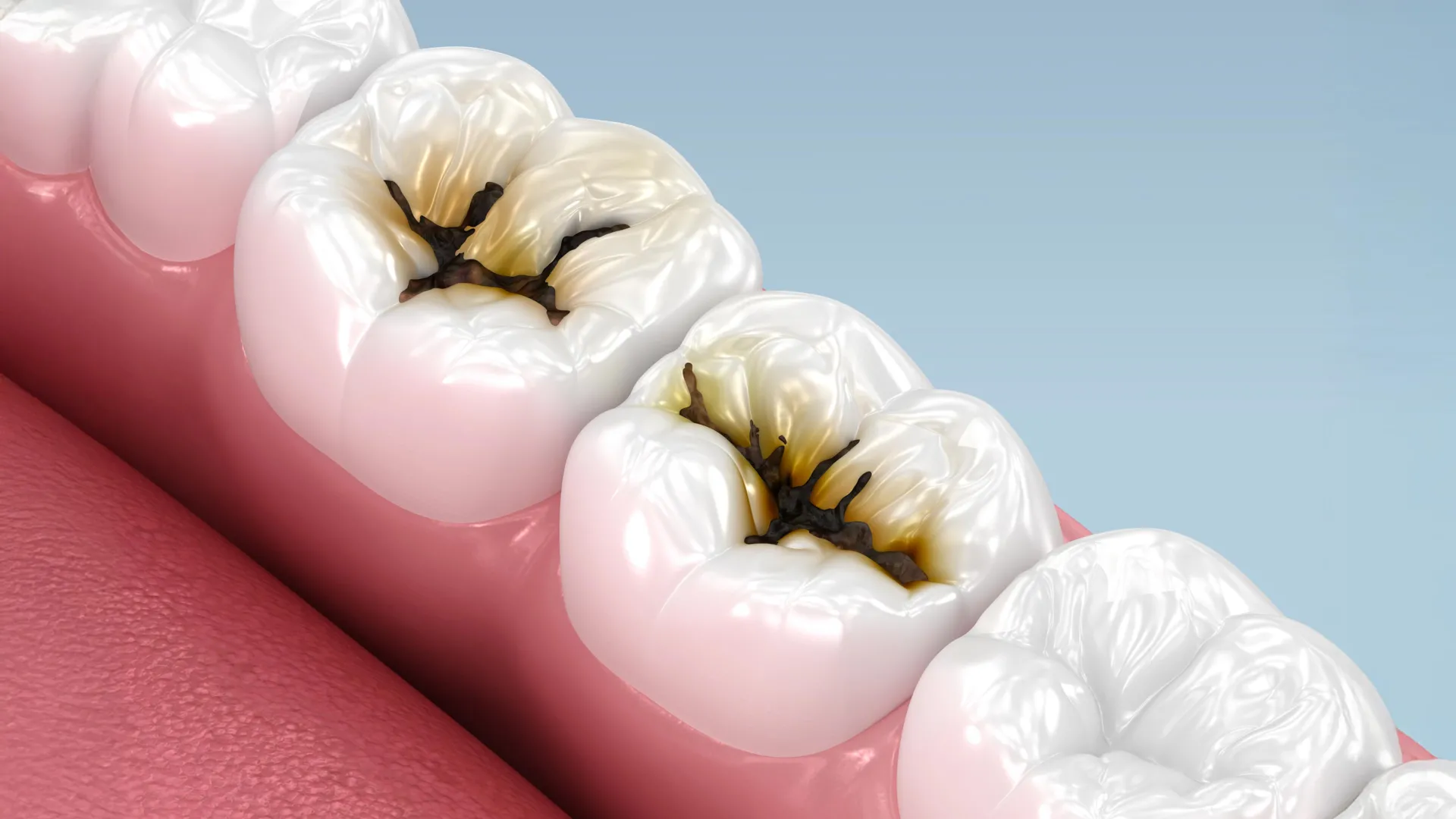
The primary drawback is cosmetic: the silver permanently darkens the decayed portion of the tooth, which can be especially noticeable on front teeth. For many patients, avoiding pain, drilling or more invasive procedures may outweigh that drawback.
Tooth decay affects more than 40% of U.S. children, making it the most common chronic childhood disease. Each year thousands of young children visit emergency departments for untreated cavities; emergency physicians generally cannot provide the dental procedures needed, leaving some children with ongoing pain and infections or requiring surgery under general anesthesia.
“It is important to have data they can refer to because young children often see pediatricians years before they ever visit a dentist, broader acceptance could allow many more cavities to be treated while a referral to a dental home is successful, and before they become painful, infected or require surgery,” Fontana said.
Moursi said the results support FDA approval of SDF for managing arrest of tooth decay in young children. “Removing SDF from off-label status would be an important innovation which could lead to increased utilization by providers, enhanced payments by insurers and more consistent product quality,” he said.

Trial Design and Recruitment Across Three States
Researchers from the University of Michigan, New York University, the University of Iowa and Indiana University recruited participants through dental offices, pediatric medical practices, and Head Start and Early Head Start programs in Michigan, New York and Iowa.
The National Institutes of Health’s National Institute of Dental and Craniofacial Research contributed more than $12 million in funding.
Off-Label History and Path to Drug Approval
SDF has been available in the United States as an off-label medical device for sensitivity since 2014.
The manufacturer plans to use the trial data to submit a drug application to the FDA for the treatment of dental caries.
The manufacturer plans to use the trial data to submit a drug application to the FDA for the treatment of dental caries. The research project launched in 2018 and continued despite COVID-19 pandemic disruptions.
Keep reading

Apple to Strip Trust From emSign TLS Certificates Monday, Sites Inaccessible
Apple will strip trust from eMudhra's emSign TLS certificates on Monday, November 30, leaving any site still using...

Indonesian Tycoon Arif Kurniawan Leaves Amid Treason, Wiretapping Probe
Indonesian mining tycoon Arif Kurniawan has left the country amid a treason and illegal wiretapping investigation targeting President...

Samsung 512GB P9 Express Card Drops 38% to $92 for Switch 2
Nintendo Switch 2 owners face a storage crunch this holiday season, and the best Black Friday fix is...

Black Creek Riverbank Collapses Into Oyster River After King Tide and Record Rain
A king tide and three days of record rain carved a 50-by-50-foot, 20-foot-deep bite out of a Black...