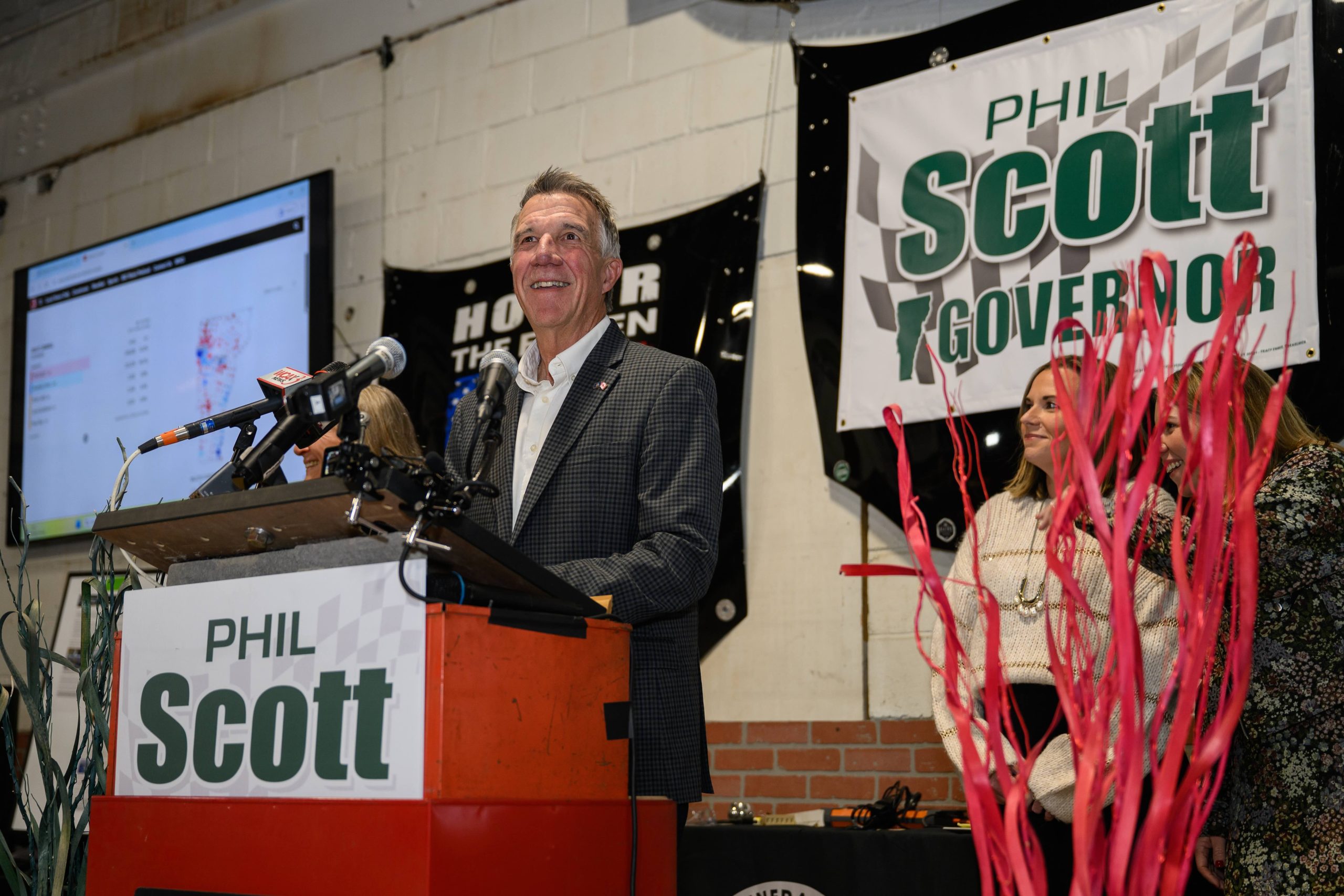
Phil Scott Wins Historic Sixth Term as Vermont Governor
Vermont Gov. Phil Scott triumphed on Tuesday to capture a historic sixth term leading the state, successfully withstanding a vigorous challenge put forward by the Democratic/Progressive candidate Amanda Janoo. Scott held a 7-point margin—leading 52 to 45 percent—when Janoo conceded shortly before 11 p.m. at her election night watch party in Burlington.
The outcome makes Scott the lone Republican to win a statewide race on Tuesday. While his personal popularity remained intact, Democrats made substantial gains in the Statehouse that could restore their supermajority in one or both chambers of the legislature. Addressing cheering supporters in Montpelier, Scott acknowledged the political realities awaiting him in the next legislative session.
“Our debates were civil, respectful and model for the rest of the nation,” Scott told the crowd, thanking elections officials, his campaign staff, and his family. Turning toward the next two years, he noted that he and lawmakers will enter the next two years “with some significant differences in our political views and approaches to our government.”
A Closer Contest Than Past Reelection Bids
Tuesday’s results showed a markedly tighter race than Scott’s three most recent reelection campaigns. In 2024, he garnered more than 73 percent of the vote against Esther Charlestin. In 2022, he took 71 percent against Brenda Siegel, and in 2020, he secured 68.5 percent against then-lieutenant governor David Zuckerman.
This time around, Janoo mounted a strong grassroots campaign that relied on town halls across the state, visits to local breweries and farms, and a network of more than 1,900 volunteers. Refusing corporate PAC money, Janoo raised over $1 million from roughly 8,600 individual donors and was introduced on election night by U.S. Sen. Bernie Sanders (I-Vt.).
Janoo told her supporters that what Janoo and her supporters accomplished was genuinely more than Janoo possibly could have dreamed. Tonight, Janoo added, Janoo and her supporters may not have won the governor’s office but Janoo and her supporters proved that another way of doing politics is possible.
On the other side of the ledger, Scott benefited from more than $1 million in spending by the Republican Governors Association committee. Those funds backed television and online advertisements framing Janoo as inexperienced and radical.
Scott Approaches Historic Tenure Amid Down-Ballot Republican Losses
Should Scott complete his sixth term in office, he will become the longest-serving governor in Vermont since the state became a state in 1791, surpassing former governor Howard Dean’s tenure of 11.5 years. Paul Dame, chair of the Vermont Republican Party, voiced concern that while Scott’s popularity insulated him from disapproval with President Donald Trump, down-ballot Republicans took heavy losses.
“They got painted with the Trump brush, and it stuck,” Paul Dame communicated to Seven Days, pointing out that the GOP faced the loss of roughly six House seats alongside as many as five senate positions.
In Addison County, for instance, Sen. Steve Heffernan (R-Addison) was trailing badly while Sen. Ruth Hardy (D-Addison) and newcomer Hannah Sessions, a Democrat, appeared headed to victory. Meanwhile, Sen. Pat Brennan (R-Grand Isle) lost his seat to Democrat Kim Gleason.
With a potentially strengthened Democratic supermajority in the Statehouse, Scott reiterated his core platform. He pledged to focus on economic growth, increasing the number of taxpayers rather than raising taxes, and pushing for school district consolidation and a new funding formula to lower education costs. Whether a moderate Republican governor and the Democratic legislature can bridge their significant policy differences over the next two years remains the central question.
Related reading

Henrietta Red Will Close in April 2027 When Lease Ends
Henrietta Red, the Germantown restaurant that spent ten years setting the standard for Nashville seafood, will close permanently...
Paul Wick’s tech fund outperforms 94% of peers over five years
Paul Wick's fund is up almost 55% in 2026, a figure that lands like a thunderclap when set...
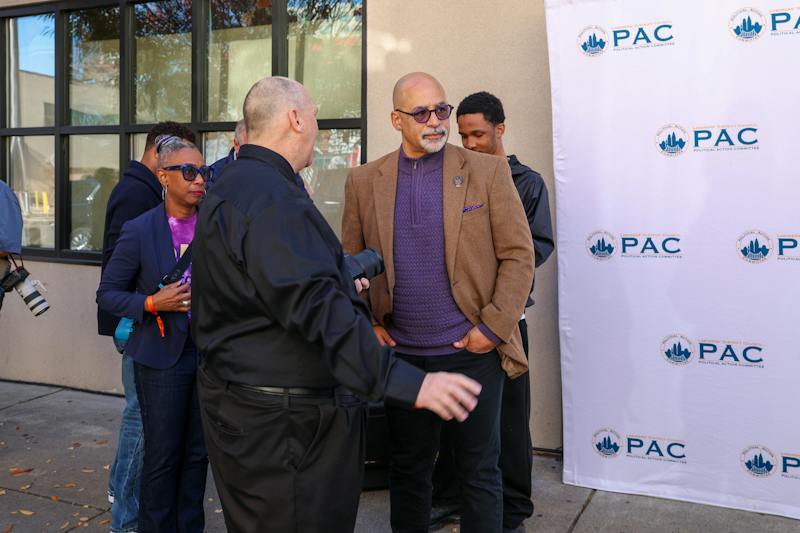
Chris Rabb tells Penn to be a better neighbor to West Philadelphia
State Rep. Chris Rabb is poised to take his seat in the United States House of Representatives next...

Oregon Democrats Gain Ground to Expand Legislative Supermajority
Oregon Democrats Poised to Expand Legislative Supermajority, Securing Tax Authority Without Republican Votes Oregon Democrats appeared on track...