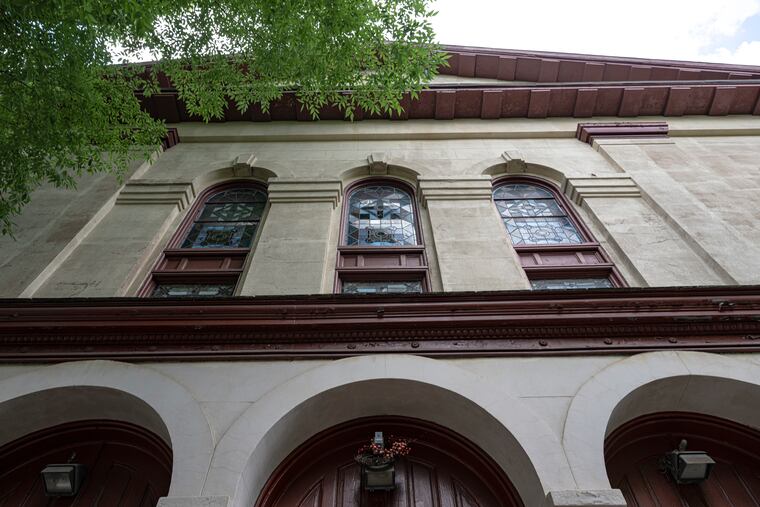
Homeowners in the Washington Square West historic district face continued regulatory oversight as the City of Philadelphia appeals a judge’s decision to overturn the neighborhood’s protected status.
The legal battle over the 1,441-property district remains unresolved following a ruling by Common Pleas Court Judge Christopher Hall in October. The city has moved the fight to Pennsylvania’s Commonwealth Court, a move that keeps the existing preservation rules in place while the litigation proceeds.
This case represents a significant departure from typical outcomes for the Philadelphia Historical Commission, which generally succeeds in defending its designations during appeals. According to reporting from The Philadelphia Inquirer, the pushback against the Washington Square West district is part of a growing ten-year trend of resistance against local preservation regulations.
A dispute over evidence and public sentiment
Judge Hall’s decision to strike down the designation rested on the finding that the commission failed to provide “substantial evidence” to support the district’s historical significance. He also said that the designation appeared to be broadly unpopular among those it would affect.
In a November rebuttal, the Philadelphia Law Department challenged the weight given to public opposition. The city argued that the judge should not have focused on the fact that 85% of those who testified at a 2024 historical commission meeting were opposed to the district.
“The record does not reflect the overall views of affected owners, businesses, or residents, but only the self-selected bias of the limited number of persons who provided public comments,” the law department wrote in its rebuttal.
The city also contends that the group leading the opposition, Philadelphians for Rational Preservation, lacks the standing to sue because they failed to identify a specific constitutionally protected property interest or provide evidence of actual harm.
The economic impact of preservation
For the residents living within the district, the stakes are more than just legal; they are financial. Philadelphians for Rational Preservation has argued that the designation functions as a “preservation tax” on local homeowners.
The group claims that strict regulations force owners to use more expensive materials for renovations. Common home improvements—such as replacing windows or doors—now require permits that were previously unnecessary, introducing bureaucratic delays and higher administrative costs.
The group’s website features various homeowners who have shared negative experiences regarding the financial and logistical burdens of the district’s rules.
Questions of documentation and conflict
The technical merits of the original nomination also came under scrutiny. Judge Hall pointed out that the nomination papers failed to explain why most of the properties contributed to the district, given that the period of significance spans from 1740 to 1985.
The court said that much of the documentation for individual buildings was incomplete, often leaving fields for construction years, architect names, or historical functions blank. The city’s law department is currently disputing these findings in its appeal.
Another point of contention involves the role of Emily Cooperman, a member of the historical commission. While she helped draft the original proposal nearly 20 years ago and updated it more recently, she recused herself from the 2024 vote. Philadelphians for Rational Preservation objected to her involvement, a concern the judge appeared to share, though his initial ruling lacked a detailed explanation of that specific objection.
The city maintains that Cooperman’s recusal was sufficient and that any perceived issue should have resulted in the case being sent back to the commission for a new vote rather than the entire designation being reversed.
With the city’s law department having filed its list of errors in Hall’s ruling this month, the case moves toward a Commonwealth Court hearing. A new ruling is not expected until 2028.
Worth a look

Mark Earley Enters 2027 Virginia Senate Race After Cifers Retirement
“Serving the 10th District has been the honor of my life,” Senator Luther Cifers said on Tuesday. The...

DoorDash to Test Dot Delivery Robots in Salt Lake City Rain and Snow
DoorDash is bringing its autonomous delivery robot, Dot, to Salt Lake City to test how the technology handles...

Creative Action Breaks Ground on New Community Arts Collaborative in Mueller
Creative Action and its partners broke ground Tuesday on the Community Arts Collaborative, a new 25,000-square-foot shared arts...

Tennessee Swimming and Diving Announces Elite Class of 2027 Recruits
The announcement follows the program's previous success in landing the No. 2 recruiting class for 2026. By securing...