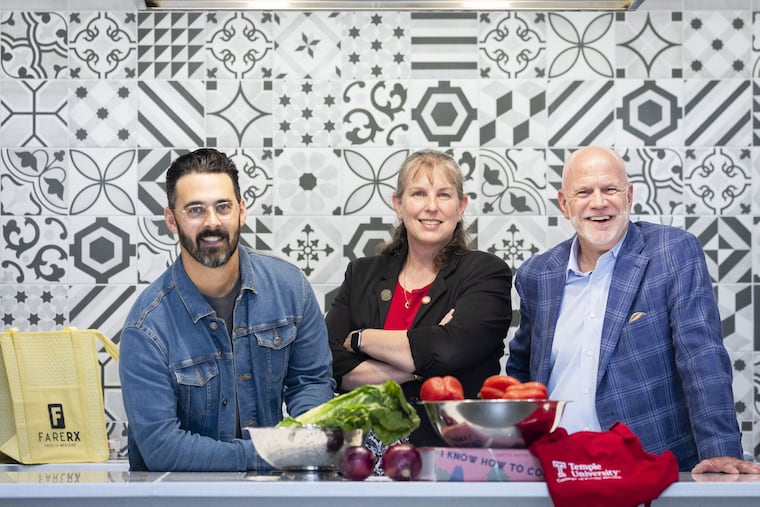
Mike Cangi sat in a Boston conference room last year, listening to a panel on food and health, when he realized the two people next to him ran major Philadelphia nonprofits he had never met.
One led The Community Grocer in West Philadelphia; the other ran The Food Trust, which operates farmers markets across the region. Cangi’s own company, FareRx, delivers medically tailored groceries to chronically ill patients from its Northern Liberties base. “Guys, why are we meeting for the first time in Boston, when we’re doing all of this work in Philly?” he recalled thinking, The Philadelphia Inquirer reported.
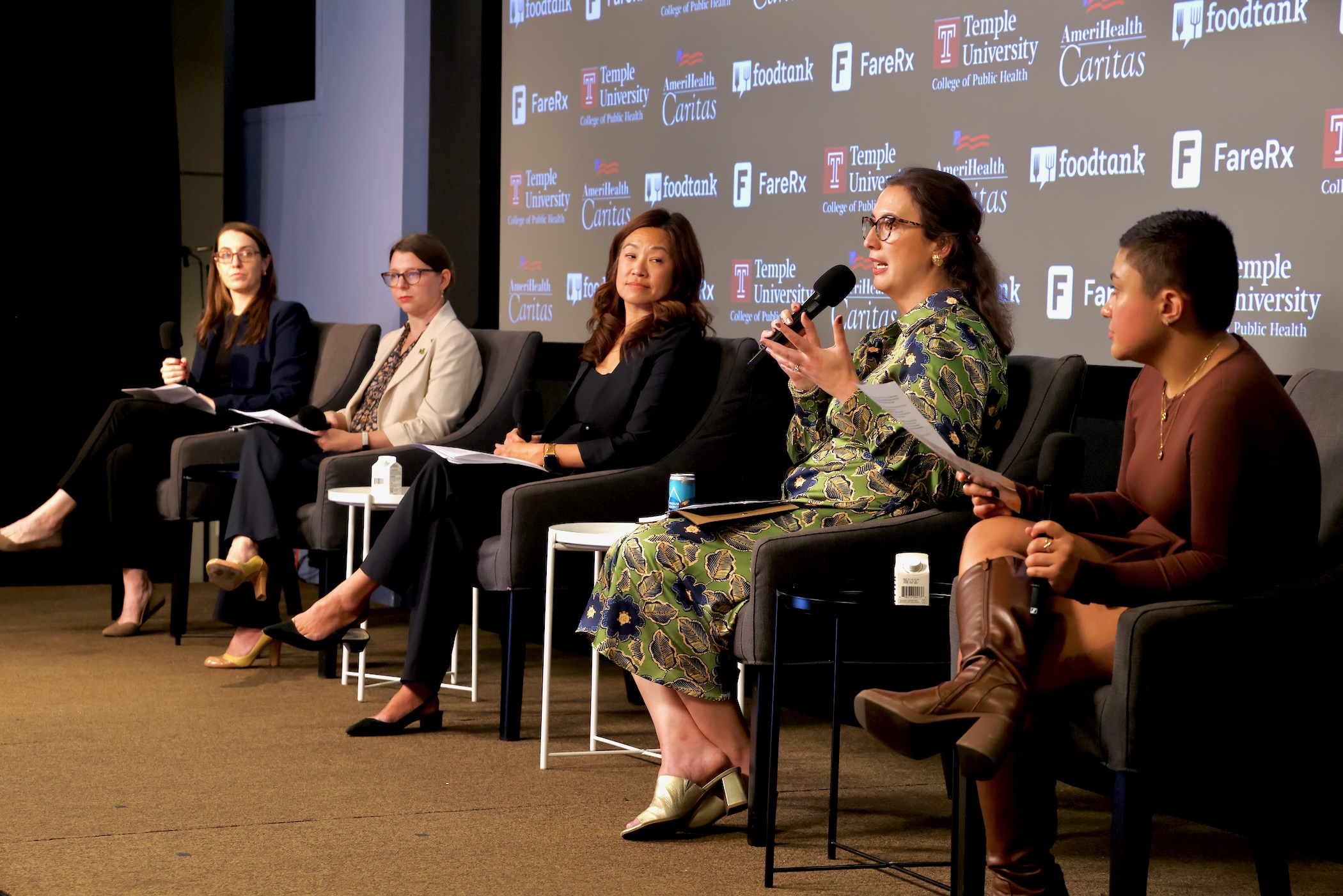
That question launched the Philadelphia Food as Medicine Coalition, which convened for the first time at WHYY for the Food First Health Summit on Oct. 27. Temple University’s College of Public Health and the global nonprofit Food Tank joined FareRx as founding conveners, aiming to stitch together the city’s fragmented network of hospitals, insurers, farms, nonprofits, and policymakers around a single premise: nutrition as preventative care.
A 20-year gap in life expectancy
The stakes are written in the city’s zip codes. In Society Hill and Old City, average life expectancy reaches 88 years. About 44 percent of North Philadelphia residents live below the poverty line, creating economic barriers that limit access to both nutrition and healthcare.
“In this city of ‘eds’ and ‘meds,’ we should not see a 20-year difference in lifespan when you’re moving from one zip code to the next.”
Jennifer Ibrahim
Jennifer Ibrahim, dean of Temple’s College of Public Health, spoke at the summit.
From teaching kitchen to clinical pipeline
Temple’s contribution anchors the coalition in academic infrastructure. The Aramark Community Teaching Kitchen, opened this year in Paley Hall, serves as a training ground for graduate nutrition students, medical students, and nursing candidates while hosting community programs, The Temple News reported.
“We want community to come to us and share our spaces with us. And so I think that this is a really important reciprocal kind of program, you know, that can really help expose students to these kinds of complex and important health-related issues, but then also bring in community in order to help them make meaningful changes.”
The coalition’s model spans medically tailored meals, produce prescriptions, and nutrition education — interventions designed to complement, not replace, clinical treatment. David Sarwer, director of Temple’s Center for Obesity Research and Education, described the movement to The Philadelphia Inquirer as “a little bit of applied nutrition,” encompassing both education and systemic equity in food distribution.
National dietary shifts clash with local food access challenges
The launch coincides with competing national currents. The Make America Healthy Again initiative led by Health Secretary Robert F. Kennedy Jr. has elevated ultra-processed food regulation and chronic disease prevention, though his dietary guidelines promoting saturated fats and vague alcohol guidance have drawn criticism, The Philadelphia Inquirer noted.
Simultaneously, some medical schools have pledged 40 hours of nutrition education to the Trump administration, while federal SNAP cuts threaten food access in low-income communities — a dynamic Danielle Nierenberg, president of Food Tank, said the coalition will counter through state and local legislative advocacy.
The coalition’s website lists over a dozen official supporters, including the Pennsylvania Health Access Network, Share Food Program, and the National Kidney Foundation, alongside national partners like Builders Initiative.
The working group begins meeting regularly next month to identify community needs, explore clinical programs, and pursue funding — starting with the connections that should have happened in Philadelphia, not Boston.
Related reading

Carvana to Build Burlington Inspection Center; Governor Stein Says 300+ Jobs
Carvana will invest $62.5 million in a new vehicle Inspection and Reconditioning Center in Burlington, a deal that...
Draper Woman Indicted for Fentanyl Distribution Resulting in Death
A 36-year-old Draper woman faces a federal charge that carries a mandatory minimum of twenty years in prison...

Austin Still Designing NOAH Fund Year After Acacia Cliffs Rezoning
More than a year after Austin approved a rezoning that would erase hundreds of affordable apartments, the city...
Inside Bar Mar: José Andrés’ Spanish Seafood Tasting Menu & Coastal Hour at the W Nashville
José Andrés brings his Spanish maritime heritage to Nashville at Bar Mar, a seafood-driven restaurant inside the W...