Extracellular Vesicles Drive Tumor Progression
Pleural mesothelioma-derived extracellular vesicles carry distinct microRNA cargoes that reprogram fibroblasts in the tumor microenvironment, altering epigenetic regulation and promoting cancer cell proliferation, according to a study.
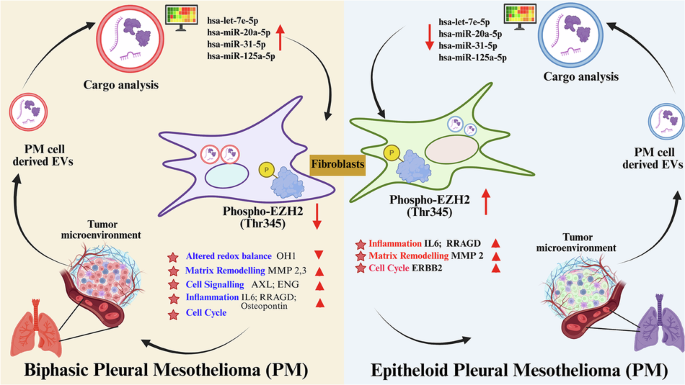
Pleural mesothelioma remains an aggressive malignancy characterized by notoriously low survival rates, prompting ongoing research into the fundamental mechanisms of disease pathogenesis to aid future therapeutic development. The study investigated the microRNA (miRNA) cargo found within extracellular vesicles (EVs) shed by pleural mesothelioma cells and tracked how these molecular packages affect fibroblasts, which serve as the predominant cell type inside the tumor microenvironment.
Profiling Distinct Subtype Signatures
High-throughput profiling revealed that extracellular vesicles derived from epithelioid and non-epithelioid mesothelioma subtypes carry distinct miRNA signatures. These cargoes differ significantly from one another as well as from non-malignant control samples. The data indicate that oncogenic miRNAs are upregulated within these vesicles, while tumor-suppressive miRNAs are downregulated. Researchers also identified specific miRNAs exclusive to either the epithelioid or non-epithelioid subtypes, pointing toward potential biomarkers that could eventually assist clinicians in distinguishing between subtypes and guiding treatment decisions.
Cellular Response and Pathway Enrichment
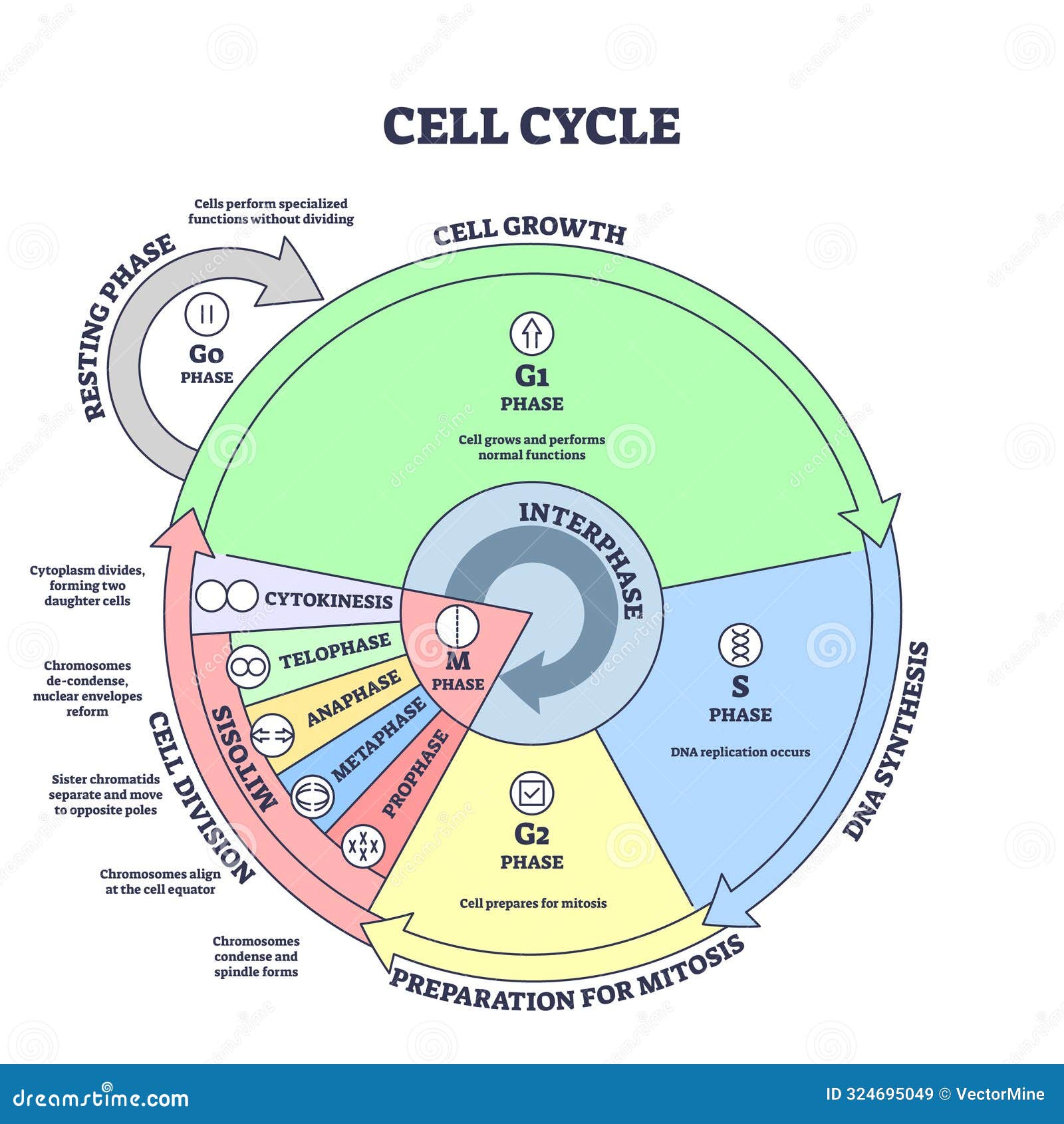
To understand the downstream cellular response, the study treated isolated fibroblasts with these extracellular vesicles and conducted subsequent RNA sequencing and molecular analyses. An integrative miRNA-mRNA analysis predicted that the differential cargo modifies multiple pathways in the recipient fibroblasts. Gene Set Enrichment Analysis (GSEA) on human KEGG 2021 and oncogenic signatures indicated the upregulation of pathways involving the Cell Cycle, Neutrophils and Extracellular Trap Formation, alongside EZH2-regulated pathways.
Inflammatory CAF Phenotype and Oncogenic Signaling
Molecular evaluations confirmed that treated fibroblasts developed a predominant inflammatory cancer-associated fibroblast (CAF) phenotype. This shift showed increased levels of established markers such as IL-6, IL-8, MMP-1, MMP-3, ICAM1, ENG, and RRAGD. Alongside inflammation, researchers observed enhanced oncogenic signaling marked by elevated levels of Osteopontin, thrombospondin, Cystatin C, autotaxin, AXL, and ERBB2.
Epigenetic Alterations and Fibroblast Reprogramming
The study further demonstrated that these vesicles alter epigenetic regulation by modifying EZH2 phosphorylation at Thr345. Specifically, extracellular vesicles from epithelioid mesothelioma increased p-EZH2 levels, whereas non-epithelioid vesicles decreased them. Together, these alterations drive fibroblast reprogramming that subsequently enhances both migration and proliferation in pleural mesothelioma cells, establishing a supportive niche for tumor progression.
Keep reading

Minnesota Gophers Fall to Indiana in Overtime Heartbreaker
The Minnesota Gophers missed an opportunity to upset fourth-ranked Indiana in Bloomington, falling 23-16 in overtime after a...

Jeffery Simmons Arrival Fails to Fix Chicago Bears Secondary Flaws
The Chicago Bears are sitting at 5-2, and general manager Ryan Poles has just acquired Jeffery Simmons to...

Adrian Martinez Arrested After Threatening Deputies in Idaho Falls
Adrian Martinez Arrested After Basement Standoff in Idaho Falls An early morning call to an Idaho Falls home...

Minot State defeats Hawaii Pacific 71-70 in tournament semifinal
The Minot State men's basketball team erased an 11-point halftime deficit to defeat Hawaii Pacific 71-70 at McCabe...