
Portland maintains a deep-seated affinity for physical media that makes the city feel almost unchanged by the digital shift, according to Willamette Week.
While the official Record Store Day holiday occurs in the spring, the local culture is so deeply rooted in analog formats that residents treat nearly every day as a celebration of vinyl, the report noted. This persistent interest in tactile music experiences distinguishes Portland from many other American cities currently grappling with the dominance of streaming services.
“Wherever I go, there’s an overall push for the tactile,” Marcus J. Moore told Willamette Week during a residency at Mono Space, a listening gallery in the Pearl District. “But Portland is already kind of analog—it feels very unchanged by technology compared to other cities in America.”
The city’s record culture is built on decades of specialized collecting and historic institutions. Matt Fleeger, the KMHD program director who curates listening sessions at Mono Space, pointed to the influence of local collectors like Rev Shines—a major sample source for artists such as J Dilla and Questlove—and the long-standing presence of Music Millennium.
Music Millennium survives the retail collapse
All paths in the local scene tend to lead through Music Millennium, the city’s oldest and largest independent record store. Founded in 1969 by Don MacLeod, Loreen MacLeod, and Dan Lissy, the shop has remained a central hub for physical media through massive industry shifts.

Current owner Terry Currier, who began working at the shop in 1984 and took ownership in 1996, witnessed a period of extreme volatility for music retailers. At the turn of the millennium, the U.S. hosted between 6,000 and 7,000 music retailers, but that number plummeted to just 2,400 by 2008.
“If you look at the renaissance of vinyl, it started right there in 2008,” Currier told Willamette Week.
Currier helped manage this decline by joining a consortium of independent owners to launch Record Store Day in 2008. The shop remains a labyrinthine destination on East Burnside, featuring specialized sections for audiophile pressings, jazz, and country, with staff capable of placing special orders for customers.
Specialized shops drive niche discovery
The Portland market functions through highly specialized ecosystems that act as analog algorithms, offering curation that digital platforms often struggle to replicate. Rather than broad playlists, these shops rely on the specific expertise of owners to drive discovery.
Geoff Zagarola, the 32-year-old owner of Music History in North Portland, manages a 300-square-foot space that specializes in eclectic finds, including Japanese city pop and J-Jazz. Zagarola, who travels to Japan annually to source inventory, said interest in physical media has grown across different age groups since he began collecting in high school.
Other neighborhood anchors provide specific genre focuses:
- Dig Vinyl: A destination for golden-era jazz from the 1950s and 1960s.
- Little Axe Records: A shop featuring rare international labels, such as 1970s Nigerian or Cambodian soul, alongside curated $3 mixtapes.
- Landfill Rescue Unit: A large hub for punk, noise, thrash, and metal, located on Southeast Belmont Street.
- Tomorrow Records: A comprehensive ecosystem providing records, stereos, and storage furniture.
For those seeking global sounds, Little Axe Records offers items that are often unavailable on streaming platforms, such as recordings from obscure Lagos-based labels that operated only for a few years in the 1970s. The shop’s inventory ranges from Pharoah Sanders to early mono jazz, creating a high-stakes environment where rare pressings often sell within minutes of being posted to social media.
The cultural stakes for these businesses extend beyond mere retail. As legendary local figures like Music Millennium’s Currier or Higgins Restaurant’s Greg Higgins seek succession, the community faces the challenge of preserving these cultural landmarks against potential development or private equity acquisition.
“The crowd is so appreciative to hear original pressings on vinyl,” said Himiko, a DJ known as Seaside FM who curates playlists for hundreds of thousands of followers on Twitch and TikTok.
Worth a look
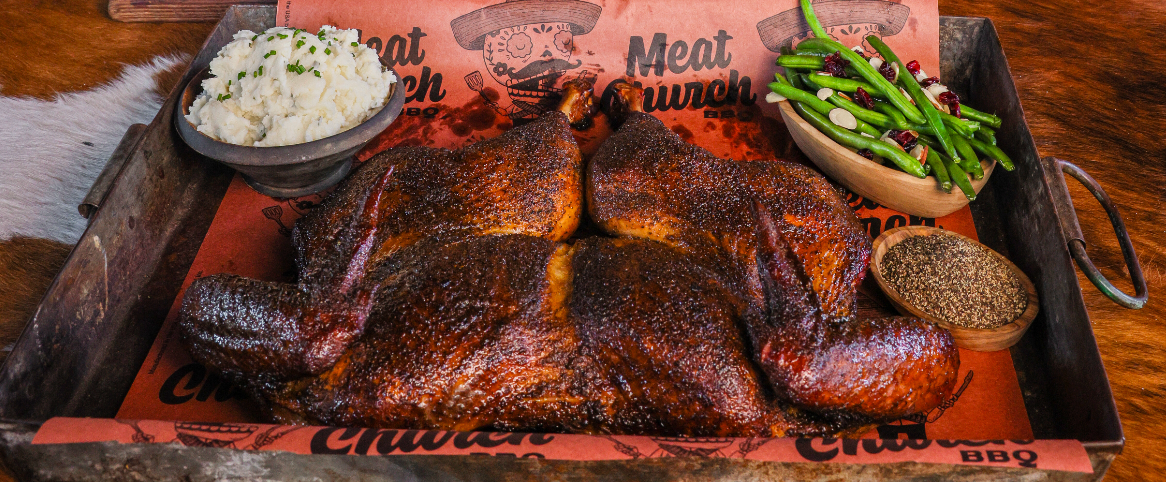
Meat Church Details Method for Brining and Smoking a Turkey
A single 20-ounce bag of Bird Baptism Brine can transform a holiday turkey when mixed with a gallon...

Nashville Bakeries Prepare Seasonal Menus for Thanksgiving Demand
Nashville bakeries are preparing for a surge in seasonal demand as holiday gatherings approach this November. Local pastry...

Lanterns Producer Says Nothing Is Cancelled Despite Renewal Uncertainty
“Nothing’s cancelled. Calm down,” Christopher Cantwell wrote on Tuesday. The Lanterns co-producer addressed swirling rumors regarding the future...
3 Key Areas for AJ McCarron and the Rhode Island Breakers to Address in the 2027 UFL Draft
The Rhode Island Breakers are officially on the clock. As the United Football League prepares for its 2027...