
Preservation Maryland and the National Park Service are moving to physically raise the historic Burtis House in Annapolis, Maryland, lifting the structure in place out of regular flood waters as the first phase of a stabilization project aimed at safeguarding the building from coastal flooding, the National Park Service reported.
The project represents a key component of larger revitalization and resiliency plans for Annapolis City Dock, where the Burtis House stands as a physical anchor of the Chesapeake region’s maritime heritage. Once an in-progress transfer of ownership from the State of Maryland to the City of Annapolis is complete, additional signature historic conservation, resiliency, and adaptive reuse projects may be identified in the years ahead, expanding the city’s approach to protecting its waterfront history against rising seas.
Planning Lifts Historic Building Above Floodwaters
The first phase centers on what planners call NPS historic structures resiliency planning. That comprehensive work includes engineering assessments, design specifications, permitting processes, and the eventual implementation of lifting the Burtis House in place up out of the regular flood waters. The dual purpose is to safeguard the building from coastal flooding while effectively “mothballing” the structure and its interior spaces. In preservation terminology, mothballing refers to stabilizing a historic building to protect it from deterioration when full restoration is not immediately possible, essentially putting the structure into a protected state until resources allow for complete rehabilitation.
Alongside the structural engineering, phase one includes a public education component designed to highlight the history of the site and the Chesapeake region’s maritime heritage and other relevant themes. This educational programming aims to connect visitors with the stories of the waterfront. Archeologists will conduct investigations at the Burtis House, proposing additional phases of investigation and data recovery should further archaeological study be warranted, ensuring that any historical artifacts, structural details, or subterranean features are documented before and during the lifting process.
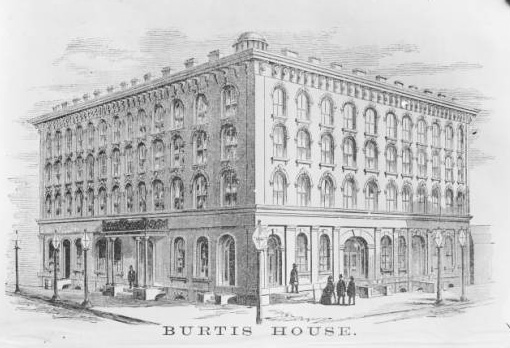
The archaeological investigations represent a critical layer of the project, ensuring that the lifting process does not disturb undocumented historical resources. Should the initial investigations warrant deeper study, additional phases of data recovery will follow, preserving the material history embedded in the site before the structure is raised.
Part of a 70-Site Chesapeake Network
The Burtis House effort sits within the Chesapeake Gateways Network, which the National Park Service’s Chesapeake Bay Watershed partners page reports convenes 58 national parks, 7 national heritage areas, and 5 national trails across the Chesapeake watershed—70 distinct places in total. Through this network, NPS Chesapeake Gateways provides technical and financial support to partner sites, operating under a strategic plan that focuses on utilizing the variety of people, places, and stories in the region by collaborating with a network of partners. The agency aims to connect with and serve a wide range of community members and visitors while promoting conservation, improving access to nature, providing environmental education, enhancing outdoor recreation, and supporting sustainable economies throughout the watershed.
Organizations that own or manage a site, trail, connecting route, water trail, or heritage area that helps visitors connect to the Chesapeake Bay watershed can nominate themselves to become a Chesapeake Gateways Place. Chesapeake Gateways, Preservation Maryland, and other Chesapeake Gateways Communities Initiative constituencies have committed to moving forward together to preserve the legacy and history of Maryland’s Annapolis City Dock, demonstrating the importance of collaboration between local, state, and federal entities in watershed preservation and historic conservation.
City Prepares Adaptive Reuse After Ownership Shift
The immediate timeline for the Burtis House project hinges on the completion of an in-progress transfer of ownership from the State to the City of Annapolis. While that administrative process continues, planning for the stabilization and lifting work proceeds in parallel. Once the city formally takes ownership, officials may identify other signature historic conservation, resiliency, and adaptive reuse projects for the site and the surrounding City Dock area in the years ahead, building on the momentum of the initial stabilization.
Annapolis has long grappled with nuisance flooding and coastal storm events that regularly inundate low-lying areas of City Dock and threaten historic structures. By lifting the Burtis House out of the regular flood waters, the project directly addresses the physical threat that has put the building at risk, applying modern engineering solutions to a challenge that affects waterfront communities throughout the Chesapeake Bay region.
The lifting of the Burtis House out of regular flood waters is a key component of the larger revitalization and resiliency plans for City Dock. Rather than abandoning or demolishing flood-prone historic structures, the project aims to elevate a piece of that history literally out of harm’s way, preserving the architectural and cultural fabric of the waterfront.
The Burtis House project ultimately stands as a concrete example of how local, state, and federal partners can work across jurisdictions to protect a single landmark while advancing broader, long-term plans for a resilient City Dock.
Keep reading
Port of Seattle Wins IAP2 Program of the Year for Community Equity
In October, at the International Association for Public Participation's North American Conference in Vancouver, B.C., the Port of...

Cape May and Burlington Counties’ school funding proposals advance on ballots
More than three-quarters of voters in the Avalon Stone Harbor School District backed a $1.5 million bond referendum...

Six new couples named to lead Church historic sites in February 2027
The First Presidency of The Church of Jesus Christ of Latter-day Saints has named six new couples to...

Writer argues Texas’s Republican identity may be giving way
In a column for The New Yorker, a Texas-based writer argues that the state's seemingly unchangeable Republican identity...