
In a column for The New Yorker, a Texas-based writer argues that the state’s seemingly unchangeable Republican identity may finally be giving way — and points to one small moment at a national park gate as the clearest sign yet.
The moment came this summer, the writer recalls, while waiting in line at the visitors’ center in Big Bend National Park. A couple ahead of them bought an annual parks pass, and the plastic card depicted George Washington alongside a glowering Donald Trump. The couple looked at the card with dismay. “Doesn’t it usually have a picture of a park on it?” the man asked. The 2025 pass showed a roseate spoonbill at Everglades National Park, while the 2022 version pictured the Milky Way over San Juan National Forest.
The ranger’s shoulders tensed; it was not the first time he had been asked the question. “We’re not supposed to talk about politics,” he said. Next in line was a bearded man in motorcycle gear who, in the writer’s account, radiated the spiky, aggressive energy associated with the President’s most fervent supporters. Instead of defending the card, the man stepped up and complained: “It’s ridiculous that I’m paying four dollars a gallon for gas and he’s still putting his face all over everything. I’m not getting a pass if he’s on it.” The ranger allowed himself a small, brief smile.
A Pass with Two Faces at Big Bend
The America the Beautiful pass, once a celebration of landscapes, now carries a portrait of the President next to Washington’s. For a visitor in a state that Republicans have long claimed as their own, the card felt less like a souvenir and more like a billboard.
Hope is treacherous for Democrats in Texas, the writer cautions, and anyone who has lived through a few elections there learns to mistrust it. The writer’s first major election in Texas was the 2014 gubernatorial contest, when Wendy Davis, wearing her pink sneakers, rallied an army of Texas women campaigning for reproductive rights. She lost to Greg Abbott, then the state’s attorney general, by twenty points. Four years later, friends and family living elsewhere were confident Texans would never choose “a toad like Ted Cruz” for senator over Beto O’Rourke. The writer read countless articles about the demographic destiny that would turn Texas blue, and spent Election Night with what the columnist describes as a queasy plummeting feeling that the world was a worse place than expected.
Twenty Points, Then a Laboratory
The writer claims Texas Republicans have long treated their political dominance as permanent, as if they embody an unchanging Lone Star identity. That claim sits oddly in a state that produced Lyndon B. Johnson, Barbara Jordan, Ann Richards, and Molly Ivins. Yet over the past thirty-some years, Republican dominance — and over the past decade, the dominance of the far-right Christian-nationalist wing of the party — has made the claim feel plausible. That power persisted despite proliferating school shootings, the devastating failure of the state’s electrical grid, the preventable deaths of pregnant women, and other disasters. Lifelong Republicans who did not fall in line were attacked, and many people the writer knew — activists, immigrants, public-school advocates, college professors, parents of trans kids, women at every stage of pregnancy — questioned whether they could still feel at home in Texas. Some moved away.
Meanwhile the state became what the writer calls a national laboratory for MAGA policy. Even before Trump’s second term, Texas had been investigating gender-affirming care for minors as child abuse, banning D.E.I. in public higher education, and cracking down on immigration. In the run-up to the 2024 election, the writer saw people wearing “Make America Like Texas” shirts, and felt a familiar sense of impending doom. When Trump won, the writer’s despair came laced with a nihilistic satisfaction: now the rest of the country would know what it felt like.
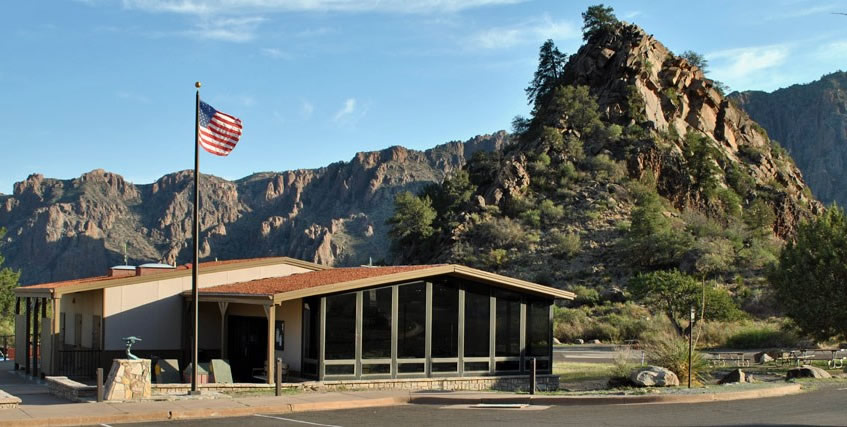
And yet, the writer concludes, waiting in line at Big Bend — watching a man the writer associated with Trump’s most fervent supporters refuse to buy the pass bearing the President’s face — offered a different note. “Oh, Texas,” the column ends. “It’ll always surprise you.”
Related reading

Man Dies After Hit-and-Run on Gallatin Pike in Nashville
A grocery cart, the kind shoppers wheel through parking lots and along dark stretches of road, is what...

Pinion Acquires A1 Development Solutions to Expand Land Advisory Services
Established in 2017 to manage the intricate permitting, utility coordination and government relations required for livestock and grain...

School of Medicine Greenville Registrar Manages Academic Records
The Registrar's Office at the University of South Carolina School of Medicine Greenville adheres to the University of...

Transportation Planner Hayden Clarkin: RIPTA Hub Relocation Plan Ignores Bus Riders’ Needs
Providence Transit Planner Argues $77 Million Hub Move Would Harm Bus Riders In a column for pvdeye.org, transportation...