Former boxer Prichard Colón has died at age 33, 11 years after sustaining a severe brain injury during his October 2015 bout against Terrel Williams in Fairfax, Virginia. Colón spent 11 years in a persistent vegetative state following emergency brain surgery, prompting widespread safety reforms across professional boxing.
Amateur Glory and an Undefeated Professional Rise
Born in Florida before moving to Puerto Rico as a child, Prichard Colón built an impressive amateur résumé. He secured five national amateur titles and won a Youth Pan American gold medal before turning 20, establishing himself as one of the sport’s most promising young talents. Entering the professional ranks in 2013 in the light middleweight division, he quickly compiled a 16-0 record with 13 knockouts.
Momentum peaked in September 2015 when Colón knocked out former WBA champion Vivian Harris in the fourth round. That victory set up a 10-round fight just a month later against Terrel Williams at the EagleBank Arena in Fairfax, Virginia, a fateful night that would permanently alter the course of his life and the sport of boxing.
The Fateful Fight and Tragic Aftermath at EagleBank Arena
During the October 2015 super-welterweight bout, Colón repeatedly complained to the referee that Williams was landing illegal punches to the back of the head, known as rabbit punches. Online footage showed Williams striking Colón in the back of the head during the seventh round, earning a point deduction from the referee. Colón also incurred a point deduction for a low blow before being knocked down twice in the ninth round.
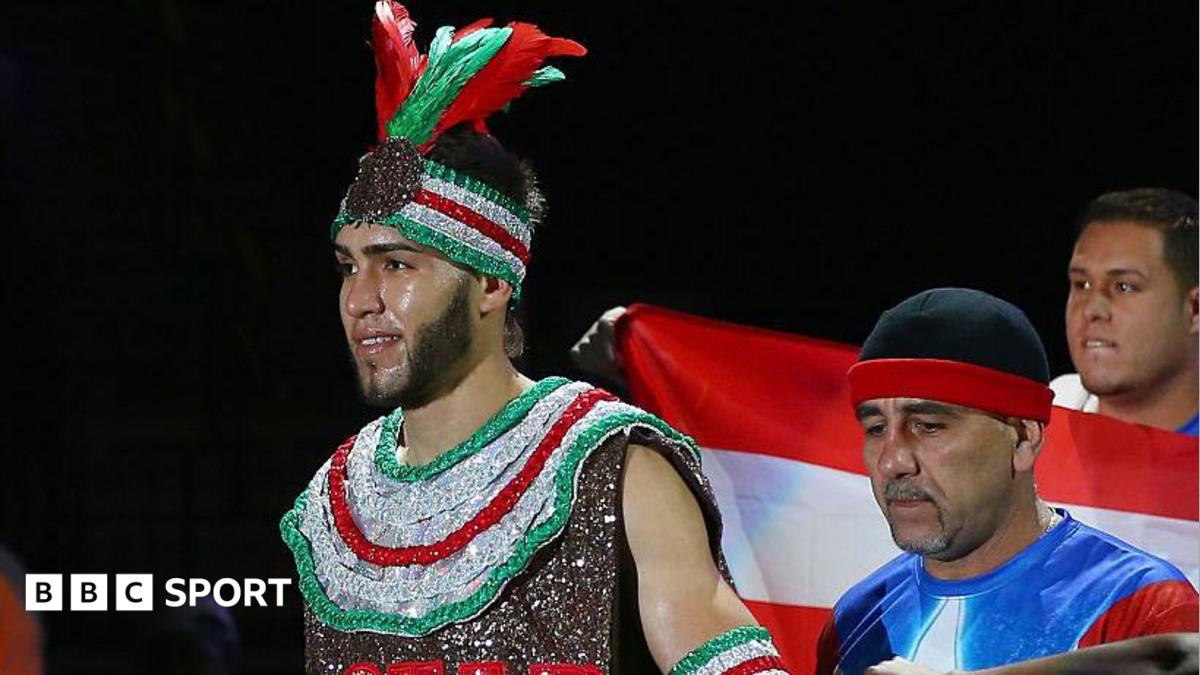
The fight ended in disqualification after the ninth round when Colón’s corner team mistakenly removed his gloves, believing the 10-round bout was over. Dizzy and complaining of severe discomfort, Colón told the ringside doctor, Richard Ashby, about his condition before collapsing in his dressing room. Rushed to the hospital, he was diagnosed with a subdural haematoma and underwent emergency surgery to relieve pressure on his brain.
The surgery saved his life, but the neurological damage was devastating. Colón was placed in a coma for 221 days and spent the remaining 11 years of his life in a persistent vegetative state, unable to walk or talk, requiring 24-hour care at home with his family.
Family Announcements and Ongoing Legal Actions
Richard Colón announced his son’s passing on Facebook on Thursday, August 14, 2026, sharing emotional words with the boxing community.
“Good morning, my people. I regret to inform you of the departure of my son Prichard from this earthly world. Now he is in a better world. I did everything possible to fulfil his wish, his dream of bringing him on vacation to Puerto Rico as he so desired, but it couldn’t be done. Thank you for so many years of love and prayers. As much as you can, please keep us in your prayers.”
Richard Colón, via BBC
In the wake of the tragedy, Colón’s parents filed a lawsuit seeking more than $50 million in damages against the ringside doctor and promoters connected with the fight.
The Burden Carried Across the Ring
Terrel Williams also lived under the shadow of the October 17, 2015, encounter. Though he did not face criminal charges, Williams stepped away from the ring for more than two years before returning in November 2017.

“My heart dropped, my stomach dropped. I’m praying for him multiple times daily to make a full recovery. I cannot enjoy this victory. I’m worried about Prichard.”
Terrel Williams, via Al Jazeera
Williams finished his professional career with an 18-1 record, suffering his only defeat against Thomas Dulorme by unanimous decision on September 21, 2019, before disappearing from public view. He stated in subsequent interviews that he never intended to harm Colón and that he vowed never to allow his own sons to enter boxing.
Institutional Legacy and Safety Reforms in Professional Boxing
The World Boxing Council (WBC) honored Colón’s legacy, releasing statements mourning his passing and remembering his resilience. Following his death, WBC President Mauricio Sulaimán reaffirmed Colón as an eternal champion.
Beyond honorary titles, Colón’s case forced a reckoning within combat sports. The World Boxing Council stated that the tragedy inspired it to categorically reinforce safety regulations, driving zero tolerance for blows to the back of the head (rabbit punches)
while implementing much stricter medical evaluation protocols for fighters inside and outside the ring.
Keep reading
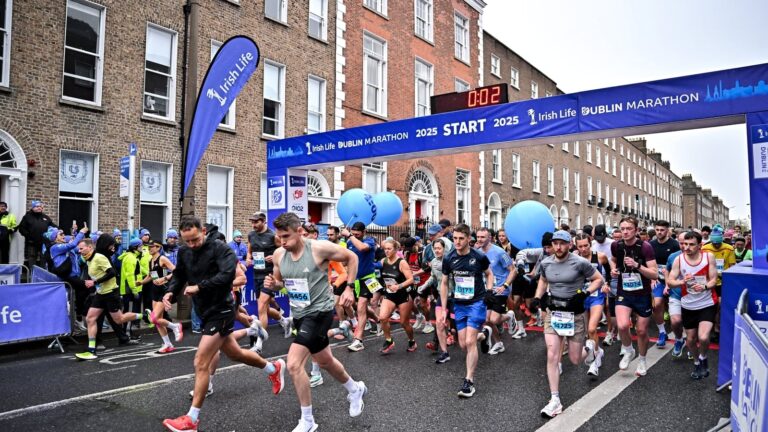
Dublin Marathon Increases Entry Fee to €130 Due to Rising Costs
The Irish Life Dublin Marathon will increase its entry fee from €110 to €130 for next year's race,...
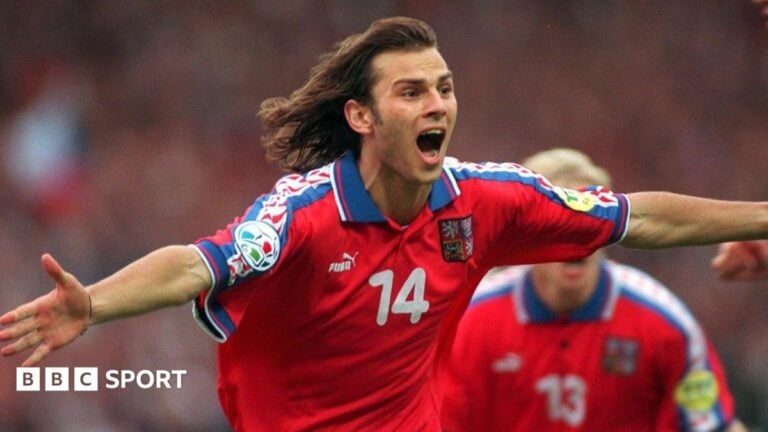
Czech Republic Returns to Wembley for Nations League Clash With England
The Czech Republic national football team is returning to north London for a Nations League Group A3 fixture...
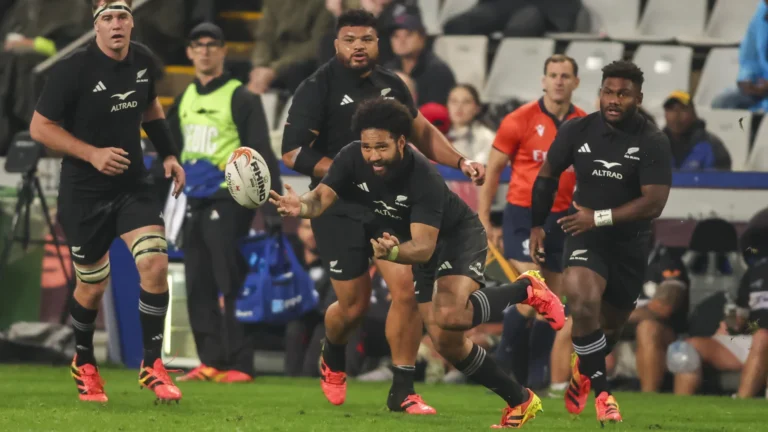
Fehi Fineanganofo Delays Newcastle Move To Stay In NZ Through 2027 World Cup
All Blacks winger Fehi Fineanganofo has secured an agreement with New Zealand Rugby and English club Newcastle Red...

Vikings Trade J.J. McCarthy to Giants for 2027 Fifth-Round Pick
The Minnesota Vikings traded quarterback J.J.