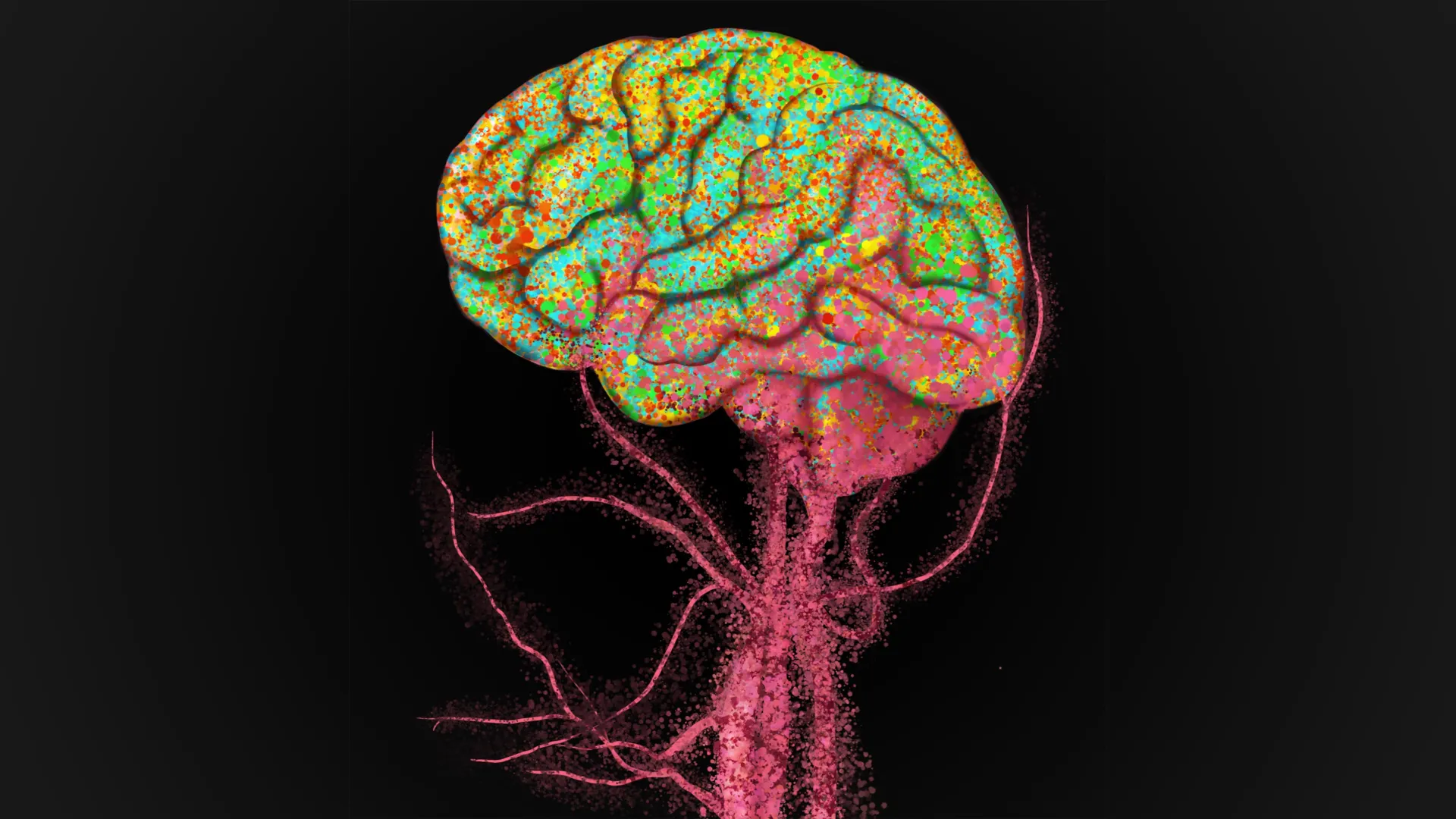
Stanford researchers discovered that large numbers of immune cells from the blood cross the blood-brain barrier and enter the human brain during aging. Published in Nature on July 30, 2026, the finding challenges the longstanding belief that the brain’s immune system remains entirely separate from the rest of the body.
Challenging the Closed-System View of the Human Brain
For decades, standard medical science treated the central nervous system as an isolated fortress. The brain maintains its own specialized immune cells and relies on the blood-brain barrier, a biological wall designed to restrict most circulating cells and foreign substances from penetrating delicate neural tissue. Under that traditional model, the brain’s resident immune cells—known as microglia—were believed to settle during embryonic development and then renew themselves strictly from within throughout a person’s lifespan, without any contribution from outside the brain.
Investigators at Stanford University found that a massive influx of immune cells from the peripheral bloodstream routinely migrates into the human brain as people grow older. We usually think of the brain as a closed system,
said Julia Belk, a postdoctoral scholar in pathology at Stanford Medicine and first author on the study, adding, What we found is that actually a lot of immune cells enter the human brain during aging.
Tracing Bone Marrow Cells Through Somatic Mutations
Proving that peripheral immune cells had truly migrated into the brain required an innovative genetic tracking method. Blood and immune cells originate from stem cells in the bone marrow, which naturally acquire unique sets of somatic mutations over time. As people age, certain mutated stem cells multiply faster than others in a condition called clonal hematopoiesis, passing those distinct genetic signatures down to the blood cells they produce.
The Stanford team searched postmortem brain tissue samples for cells carrying the exact same mutations found in the individuals’ circulating blood. Because sharing those specific genetic markers is statistically improbable unless both populations share an origin, the matching DNA provided clear proof that marrow-derived cells had crossed into the central nervous system. When researchers examined postmortem brain tissue from 20 older adults, every single sample contained cells that shared mutations with the donor’s blood. Furthermore, tissue samples from older individuals contained a significantly higher proportion of bone marrow-derived microglia than tissue from younger donors, confirming that the migration occurs progressively across the human lifespan.
Connecting Marrow-Derived Cells to Alzheimer’s Disease Pathology
The discovery builds on earlier genetic work where investigators analyzed data from tens of thousands of individuals and discovered that carriers of certain blood-cell mutation clones were less likely to develop Alzheimer’s disease. Seeking to understand why peripheral immune cells might interact with or protect the aging brain, the research team secured support in part from the Knight Initiative for Brain Resilience at the Wu Tsai Neurosciences Institute. By analyzing human brain tissue provided by the Stanford Rapid Autopsy Center and the University of Washington’s Alzheimer’s Disease Sequencing Project, scientists established that these bone marrow-derived cells eventually take on characteristics that closely resemble resident microglia.

Parallel research published in Newswise by a team at the Icahn School of Medicine at Mount Sinai provides additional resolution on how these immune populations behave during cognitive decline. By profiling more than 830,000 myeloid-origin immune cells from 1,607 donors, that study identified a disease-associated subtype of microglia that expands as Alzheimer’s advances. Rather than inflicting damage, these specialized cells appear to play a protective role by clearing harmful material through a molecular pathway dependent on TREM2 signaling.
Therapeutic Implications for Neurological Disorders
The revelation that peripheral blood cells routinely infiltrate the aging brain opens entirely new avenues for drug delivery and regenerative medicine. Because the blood-brain barrier successfully blocks most therapeutic molecules from reaching neural tissue, treating neurodegenerative diseases has historically faced steep physical hurdles.
Our findings suggest new opportunities to engineer peripheral immune cells to treat or prevent neurological diseases,
Belk noted regarding the potential to harness bone marrow pathways. Researchers suggest that future therapies might utilize stem cell transplants or engineered blood cells to smuggle treatments directly past the blood-brain barrier, turning the body’s natural aging processes into a vehicle for neurological repair.
Related reading
Global Study Links One in Eight Cancer Cases to Infections
An estimated 2.3 million new cancer cases worldwide in 2024—representing about 12 percent of all new diagnoses—were caused...
Study Examines Environmental Drivers for 32 Emerging Infectious Diseases
Researchers have tested for a general, detectable anthropogenic fingerprint on the geographic distribution of human outbreaks across 32...

USF Health Identifies Brain Circuit Regulating Metabolism in Response to Cold
USF Health researchers identified a previously unknown brain circuit in the hypothalamus that regulates metabolism and appetite in...
Gut Bacteria Changes May Predict Type 2 Diabetes Risk Before Blood Sugar Rises
Researchers analyzing data from over 200,000 adults in the UK and US have identified hundreds of gut bacteria...