
Wisconsin DNR Proposes Statewide Open Container Ban for ATVs and UTVs
Operating an all-terrain or utility-terrain vehicle with an open container of alcohol would become illegal under a newly proposed rule change from the Wisconsin Department of Natural Resources. The draft regulation targets both drivers and passengers across public roads, trails, and frozen waterways, bringing off-highway recreational vehicle rules into alignment with standard motor vehicle laws. The Natural Resources Board is set to take up the changes at its December meeting.
The proposal marks a significant shift for outdoor recreation enforcement in the state, addressing a growing concern over safety on public trails and county roads. According to a report by Wisconsin Public Radio, state officials point to mounting crash statistics and failed legislative attempts as the driving forces behind the new regulatory push.
The Safety Data and Legislative Backstory
During a public hearing on Thursday, Jake Holsclaw, the DNR’s off-highway vehicle administrator, told attendees that alcohol has consistently remained a primary contributing factor in serious injury and fatal crashes involving off-highway vehicles. Between 2021 and 2025, state data shows that 43 percent of fatal ATV and UTV crashes involved alcohol. The state has already recorded 42 fatalities among drivers and passengers this year, tracking close to the record high of 47 deaths established in 2021. At least six fatal crashes this year involved alcohol, though investigators are still awaiting toxicology and final crash reports.
Enforcement data mirrors that rising danger. Over the past decade, citations for operating while intoxicated among ATV and UTV operators have nearly quadrupled, climbing from 68 to 255 citations issued by conservation wardens and local law enforcement.
Before the DNR drafted the current administrative proposal, lawmakers attempted to tackle the issue through the state legislature twice. A bipartisan group introduced a 2021 bill that would have required courts to aggregate previous convictions for intoxicated use across different recreational vehicles rather than keeping penalties separate. A subsequent 2023 bill sought to outlaw open containers on public trails and roads. Both measures stalled in the Legislature, leaving safety advocates and clubs looking to the DNR for administrative solutions.
“That part we’ve tried to get through legislatively twice, and we’re unable to get it through the legislative process,” said Randy Harden, president of the Wisconsin ATV/UTV Association. “We are hopeful this makes it through because that is an issue that comes up all the time, and it’s concerning to our clubs and our members as well.”
Local Support and Roadway Pressures
The Wisconsin County Highway Association and the state’s ATV/UTV association both support the proposed restrictions. Local municipalities, however, have grappled with how to safely integrate recreational vehicles onto local asphalt.

Waukesha County initiated a pilot program last year allowing ATVs and UTVs on select county highways in partnership with local municipalities. Allison Bussler, public works director for Waukesha County, explained that while some communities have embraced the routes, others remain hesitant due to fears about intoxicated driving.
Because recreational vehicles on county roads must maintain a speed limit of 55 miles per hour, operating a vehicle under the influence presents heightened dangers. Bussler noted that these safety concerns have ultimately limited the number of roads local governments are willing to open to recreational traffic.
Under the language of the proposed rule, passengers and drivers would be barred from using or possessing any bottle or receptacle containing intoxicants, including alcoholic beverages, hazardous inhalants, controlled substances, or other drugs. The restriction applies exclusively to public areas like roads, trails, and frozen waterways, leaving private lands exempt. Furthermore, the rule allows empty containers to be stored as garbage, provided they are kept completely outside the driver or passenger compartments.

Additional Vehicle Standards Under Review
The alcohol container ban accompanies several other proposed updates to state recreational vehicle regulations. In June, new requirements took effect mandating seat belts and eye protection for both drivers and passengers, alongside rules requiring UTVs to match motor vehicle window tint standards.
To address complications arising from those summer changes, the DNR is now proposing medical exemptions for window tinting. The agency also seeks to grandfather in ATVs and UTVs manufactured prior to March 1 of next year, after discovering that some models left factory lines with window tint that fell outside current legal parameters. Finally, the agency is proposing to require hand or turn signals that comply with standard motor vehicle specifications.
Related reading

Tracking fires in Shoshone, Idaho | WFCA Fire Map – Western Fire Chiefs Association
Satellites and AI Track Shoshone Wildfires As dry late-season conditions persist across the West, tracking active wildfire incidents...

Unacceptable’: Student arrested after Baldwin High attack caught on video | Hawaii News Now
Maui Police Arrest Student After Campus Assault Caught on Camera “The boy was not fighting back. He was...
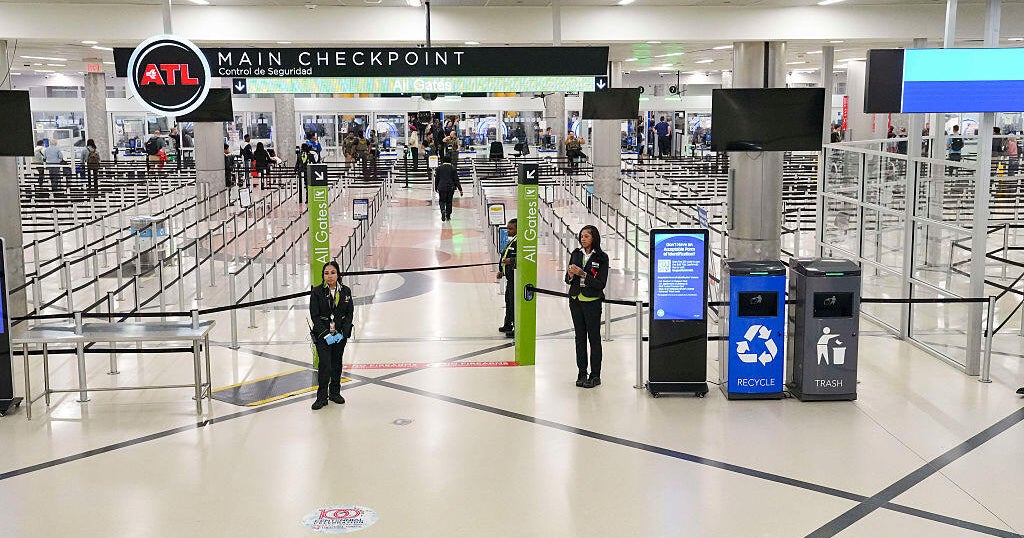
Atlanta Airport Ranks Among Top Five for Avoiding Flight Disruptions
Hartsfield-Jackson Ranks Fifth for Avoiding Flight Disruptions Travelers dealing with a canceled flight often face a scramble to...

Data centers are a political third rail. West Virginia is grabbing it anyway. | Morningstar
West Virginia Pursues $7 Billion Google Data Center Amid National AI Backlash West Virginia is aggressively courting the...