
West Virginia Pursues $7 Billion Google Data Center Amid National AI Backlash
West Virginia is aggressively courting the artificial-intelligence boom by centralizing data-center approvals at the state level, directly bucking a national wave of local opposition and temporary moratoria. While states from New York to Texas weigh halts on massive computing campuses, West Virginia officials have engineered a business-friendly framework designed to capture tax revenue and secure long-term infrastructure investment, Morningstar reported.
At a 1,700-acre industrial site in Putnam County, Google is currently working to build a $7 billion campus featuring up to nine buildings. Local officials anticipate a groundbreaking ceremony next year for the project, which remains in the permitting stages and is expected to create approximately 600 jobs. The site sits two miles from a Toyota engine and transmission plant employing more than 2,100 workers, chosen because it offered vacant land and close proximity to an extra-high-voltage 765 kV power line owned by American Electric Power.
The Structural Design of House Bill 2014
West Virginia passed House Bill 2014 last year to lure large-scale data centers by shifting regulatory control entirely to the state. The administration of Gov. Patrick Morrisey expanded on this framework in August by launching a responsible data-center development plan. Under the statute, half of a project’s revenue goes toward reducing and ultimately eliminating the state’s personal income tax. Host counties receive a third of the revenue for schools and local government operations, another 10% is distributed to all other state counties, and the remainder funds local water, wastewater, and electrical infrastructure upgrades.
Developers face strict mandates under the law. They must procure their own energy resources and fully fund their infrastructure and microgrid costs. The state also established a data-center advisory council to recommend industry standards and address community concerns.

Most people, whatever side they’re on, recognize that this new law is very friendly to the data-center industry, said Ann Eisenberg, a law professor at West Virginia University and the director of the university’s Center for Energy and Sustainable Development.
According to the U.S. Data Center Map, West Virginia hosts 16 operational data centers, two major facilities under construction or in permitting, and at least nine planned projects. While the state is not yet a top-tier destination like Northern Virginia or Dallas, its location atop the Marcellus shale—the fifth-largest natural-gas-producing formation in the country—provides substantial underlying energy potential.
Local Oversight Concerns and Political Pushback
The state-level centralization has drawn sharp criticism from community advocates and local officials who argue it strips residents of meaningful oversight. Critics point to West Virginia’s history of extractive industries making economic promises that fell short.

State officials defend the adjustments made to the original legislation, noting that local governments successfully pushed for a 30% revenue share. In Putnam County, development leaders emphasize that Google is voluntarily navigating local permitting processes regardless of state exemptions.
Worth a look

Tracking fires in Shoshone, Idaho | WFCA Fire Map – Western Fire Chiefs Association
Satellites and AI Track Shoshone Wildfires As dry late-season conditions persist across the West, tracking active wildfire incidents...

Unacceptable’: Student arrested after Baldwin High attack caught on video | Hawaii News Now
Maui Police Arrest Student After Campus Assault Caught on Camera “The boy was not fighting back. He was...
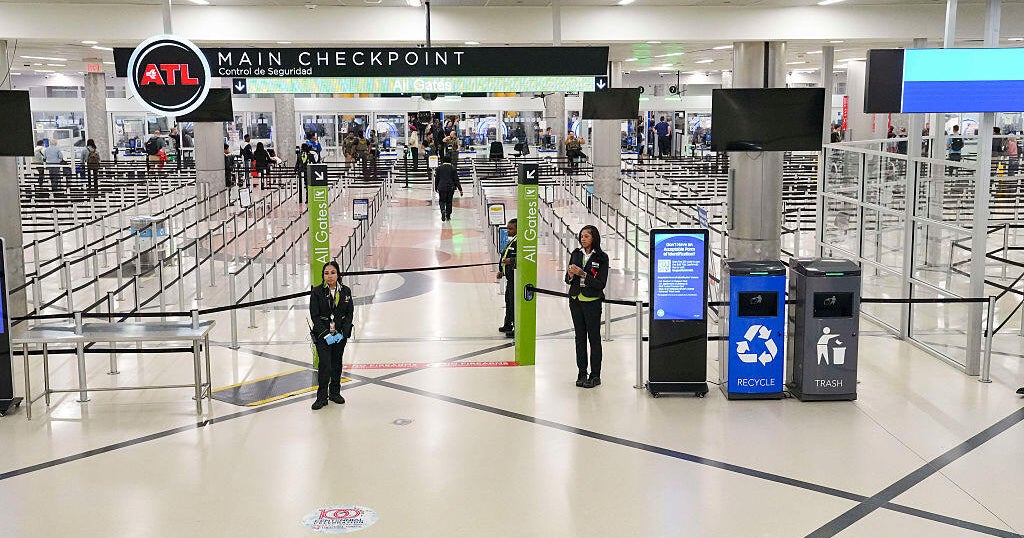
Atlanta Airport Ranks Among Top Five for Avoiding Flight Disruptions
Hartsfield-Jackson Ranks Fifth for Avoiding Flight Disruptions Travelers dealing with a canceled flight often face a scramble to...

Proposed change would make it illegal to operate UTVs/ATVs with open alcohol containers
Wisconsin DNR Proposes Statewide Open Container Ban for ATVs and UTVs Operating an all-terrain or utility-terrain vehicle with...