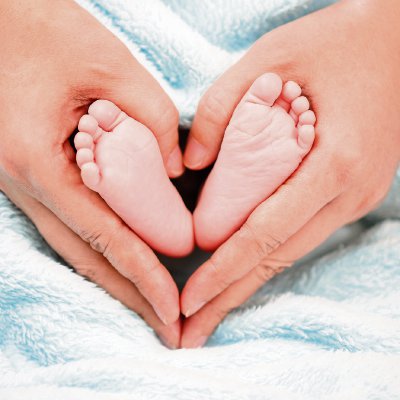
As winter approaches, health officials are urging parents to secure free RSV immunisations for eligible infants to curb severe respiratory illness and hospitalizations.
The 2026-2027 RSV Infant Immunisation Programme is underway, offering defense against Respiratory Syncytial Virus.
RSV is a common and highly contagious winter virus that typically causes mild respiratory symptoms, yet it can trigger severe illness and hospitalization in babies during their first winter.
To prevent these outcomes, eligible infants are receiving a single dose of Nirsevimab, providing immediate protection throughout the seasonal surge.
Where an infant receives the immunization depends entirely on their birth date.
Babies born between September 1, 2026, and February 28, 2027, are offered the vaccine in maternity hospitals before discharge, whenever possible.
Meanwhile, infants born between March 1 and August 31, 2026, can receive the immunization through participating general practitioner practices.
Specialist pathways are also available for infants identified as being at higher risk of developing serious RSV complications.
Dr Áine McNamara, Regional Director of Public Health for the HSE West and North West, said early administration is important.
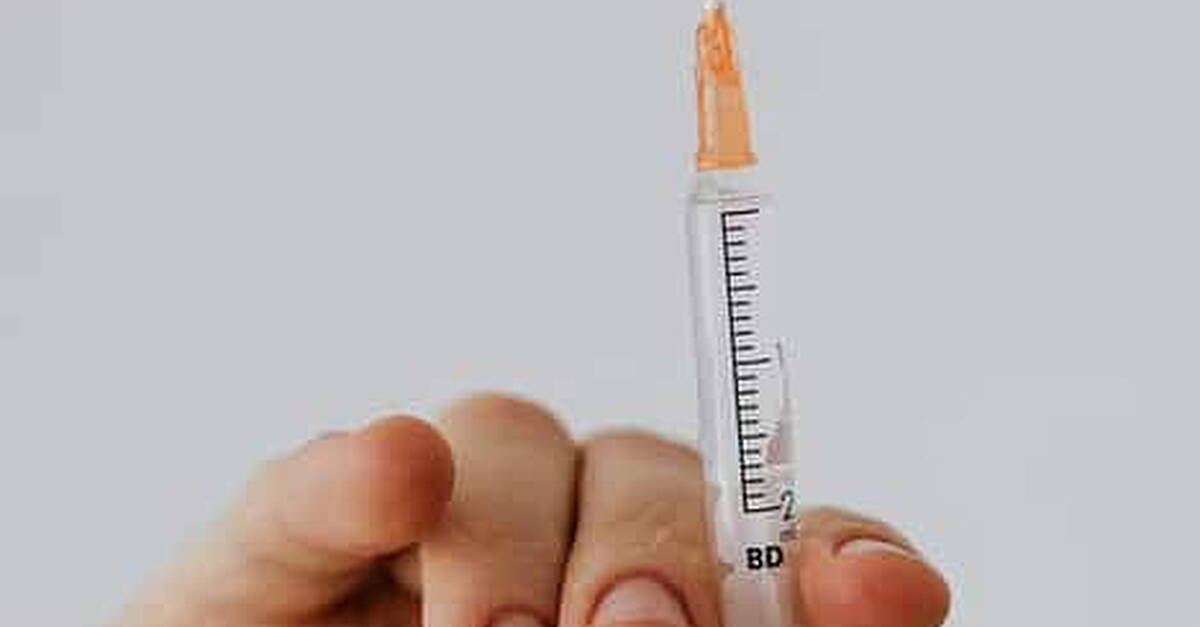
“The RSV immunisation programme provides protection from the outset and continues throughout the season, helping to keep babies safe when RSV is circulating most widely.”
Dr Áine McNamara said.
“It is best to get the immunisation as early as possible in the RSV season to protect your baby throughout autumn & winter.”
Dr Áine McNamara said.
“Over the last two years, RSV immunisation has had a significant positive impact in Ireland, it has reduced the number of babies who become very unwell with RSV and require hospitalisation.”
Dr Áine McNamara said.
Last year’s program averted more than 1,000 emergency department presentations, hospital admissions, and intensive care unit admissions across the country, according to HSE data.
Additional reporting said that last winter saw more than 37,000 infants immunised against the virus, with an 88 percent uptake rate in maternity hospitals for babies born September to February and a 100 percent uptake among high-risk infants.
International evidence indicates that the immunization is over 80 percent effective at preventing RSV-associated lower respiratory tract infections.
Parents following the vaccine schedule also have practical reassurance from primary care providers.
Dr Patrick Kelly of the Irish College of General Practitioners said that the RSV immunization can be safely administered alongside routine childhood vaccines, ensuring families do not need to delay scheduled appointments.
“We would encourage parents of babies who were born between March and August to take up the offer through participating GP practices ideally before the RSV season.”
Dr Patrick Kelly said.
Families with specific questions or concerns are encouraged to speak directly with a healthcare professional for trusted guidance.

Pax Silica Tech Hub Project Faces Protests and Rollout Delays in Philippines
Outside the Grand Hyatt in Manila, the friction between grand economic strategy and local reality turned physical earlier...
Israeli Researchers Restore Blood Sugar in 30% of LADA Mice
Marking World Diabetes Day on November 14, Israeli researchers announced a treatment protocol that restored normal blood sugar...
American Man Deported From Bali After Viral Kintamani Land Ad
An American man who went viral on social media for advertising a plot of land in Kintamani has...
Yale Study Reveals Which Anti-Aging Treatments Actually Reduce Biological Age
Yale scientists have identified specific prescription medications and lifestyle changes that can reduce biological age, according to a...