
Outside the Grand Hyatt in Manila, the friction between grand economic strategy and local reality turned physical earlier this year.
As hundreds of protesters clashed with anti-riot police, chanting against the “Pax Silica” initiative, President Ferdinand Marcos Jnr was inside, hosting 600 investors and officials to champion the very project the crowds were decrying.
The name itself is a calculated piece of branding. Borrowing from the Latin for peace and the primary material of the AI revolution, “Pax Silica” is designed to evoke the stability of the Roman Empire and the post-World War II American order.
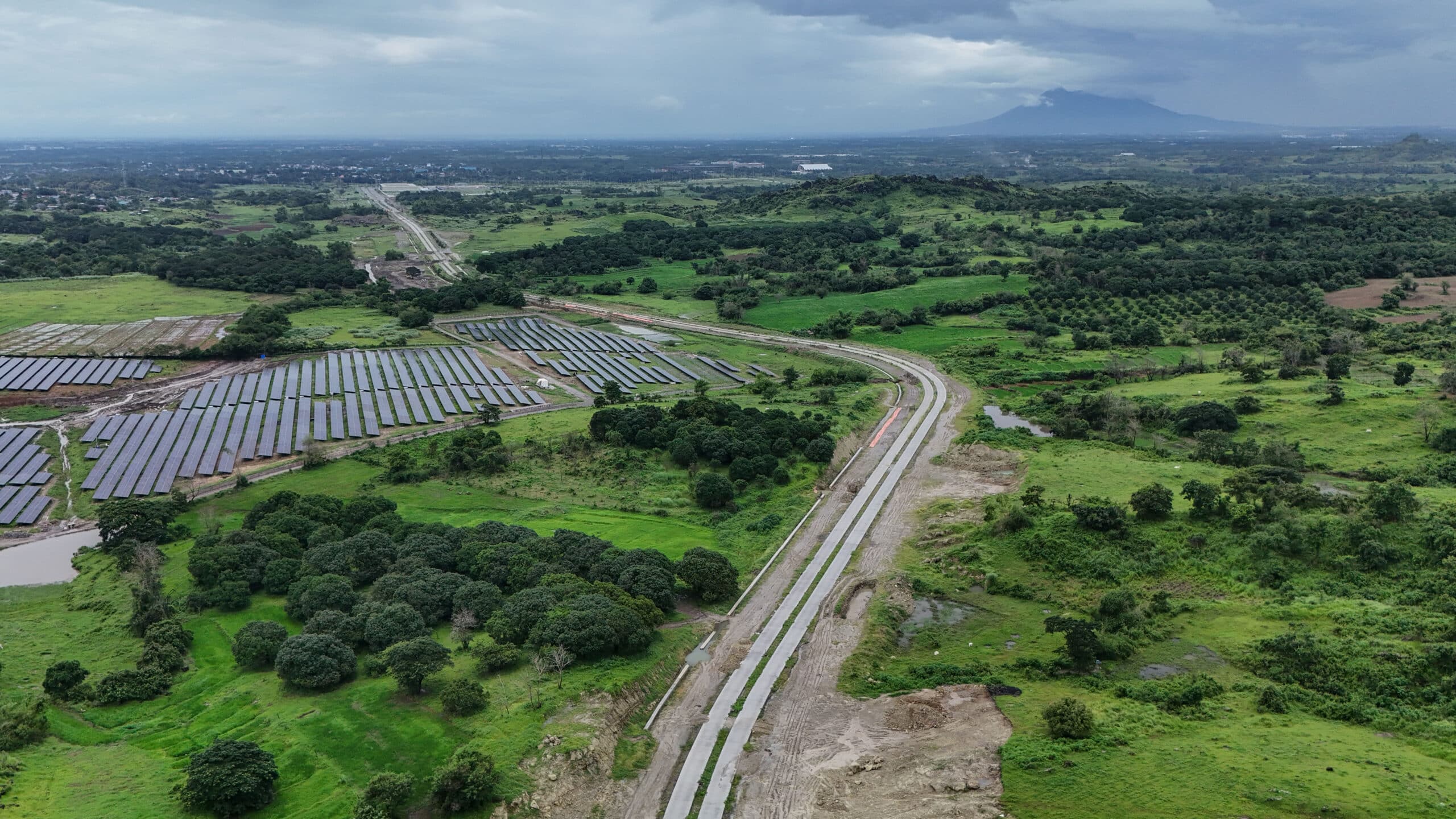
But in the Philippines, the project—a massive 1,620-hectare tech hub proposed for the former American military base in Luzon—has become a lightning rod for questions about sovereignty, land rights, and the true cost of shifting global supply chains away from China.
Rollout Timeline Remains Uncertain Despite ASEAN Summit Expectations
While the project is touted by its backers as a multi-billion-dollar engine for jobs and industrial growth, the timeline for its official rollout has been anything but certain. Despite earlier expectations from the Bases Conversion and Development Authority that a major announcement would coincide with the 49th Association of Southeast Asian Nations (ASEAN) Summit, US officials have stated no major announcement is planned for the summit.

US Ambassador to the Philippines Lee Lipton said that decisions would be “made in full consultation” with the Philippine government “at the appropriate time.” Meanwhile, local trade officials are framing the delay as a strategic choice rather than a stumble.
Trade Undersecretary Ceferino Rodolfo told reporters that the project is too “transformative” to be overshadowed by the crowded agenda of the ASEAN summit, noting that negotiations are still going “extremely well.”
Economic Transformation or New Dependency?
The promise of Pax Silica is undeniably seductive for an economy looking to break out of a post-pandemic slump. Proponents suggest that at full development, the Clark hub could attract up to USD 70 billion in investment, potentially generating USD 200 billion in exports over three decades.
Yet, critics argue that the project risks repeating historical patterns of economic dependency. Analyses have drawn parallels between the modern Pax Silica framework and the colonial trade policies that once tethered the Philippine economy to American industrial needs. Without an independent industrial policy, the Philippines might subsidize a foreign security agenda instead of building its own long-term, self-sustaining manufacturing capabilities.
“The commodities have changed, the technologies have advanced, but the underlying question of who controls production, markets and profits remains remarkably similar.”
High Electricity Prices and Shifting Priorities Hinder Project Progress
Beyond the geopolitical maneuvering, the project faces tangible domestic challenges. The Philippines currently contends with some of the highest electricity prices in the region, a factor that could complicate the energy-intensive nature of semiconductor manufacturing. Institutional stability also remains a persistent issue. Philippine economic priorities have historically shifted with each administration, making it difficult to maintain the “patient capital” required for long-term industrial projects.
While the government remains optimistic about a groundbreaking by 2028, the path forward remains tethered to the complexities of both local resistance and the shifting winds of US domestic politics. Following the US midterms, global markets saw tech stocks sell off heavily, and new scrutiny on artificial intelligence regulation has made the environment for mega-projects like Pax Silica increasingly volatile.
The Philippine chairship of the ASEAN Summit concludes on November 17, marking the end of a high-profile window where many had expected a formal breakthrough. For now, the future of the hub rests on whether the government can build a policy consensus that survives the next election cycle, ensuring that the project serves as more than just a temporary landing strip for foreign capital.
Worth a look

Protect Babies From Serious RSV Illness: New Immunisation Programme Underway
As winter approaches, health officials are urging parents to secure free RSV immunisations for eligible infants to curb...

Israeli Researchers Restore Blood Sugar in 30% of LADA Mice
Marking World Diabetes Day on November 14, Israeli researchers announced a treatment protocol that restored normal blood sugar...

American Man Deported From Bali After Viral Kintamani Land Ad
An American man who went viral on social media for advertising a plot of land in Kintamani has...

Yale Study Reveals Which Anti-Aging Treatments Actually Reduce Biological Age
Yale scientists have identified specific prescription medications and lifestyle changes that can reduce biological age, according to a...