Musk’s $474 Million Political Spend Yields Major Losses for Supported Candidates
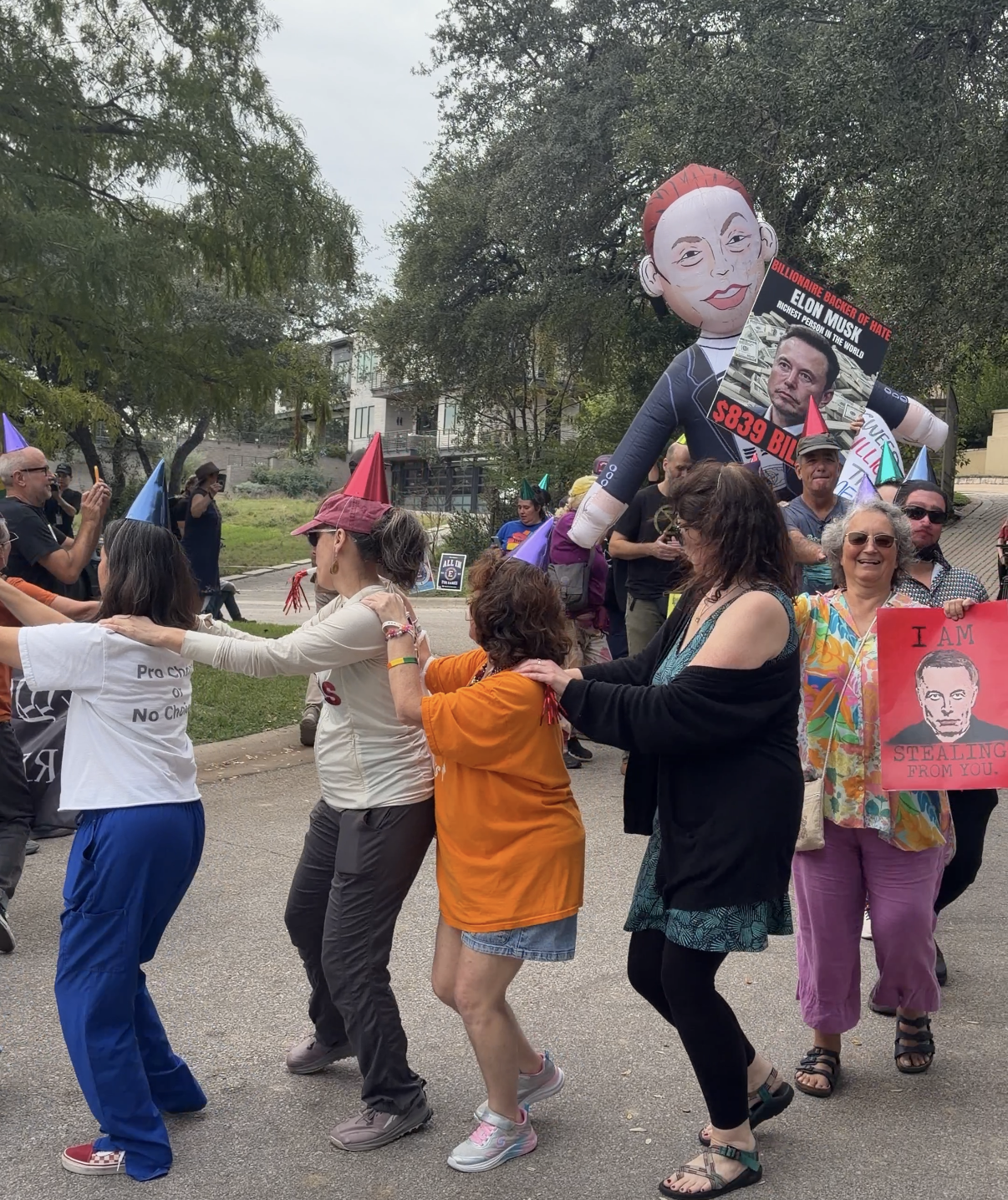
Elon Musk’s massive political investment failed to secure the intended legislative outcomes, as dozens of demonstrators gathered outside his West Lake Hills compound on Saturday, November 7, 2026, to celebrate the defeat of his preferred candidates. The gathering, which the Austin American-Statesman reported, served as a direct response to the midterm election results where a significant portion of Musk’s capital was directed toward losing campaigns.
The Political Capital Deficit:
- Total Election Cycle Outlay: Approximately $474 million spent via Republican candidates, PACs, and outside organizations.
- Key Failed Allocation: $212 million directed toward Texas Attorney General Ken Paxton, who lost his U.S. Senate bid to Democrat James Talarico.
- Market Sentiment: A visible disconnect between high-net-worth political spending and voter outcomes in key Texas districts.
The $212 Million Misallocation in Texas
The most striking metric in this election cycle is the $212 million loss associated with the bid of Ken Paxton. Musk’s attempt to bolster the Republican ticket through massive financial injections failed to stop James Talarico, the former Austin House representative, from capturing the U.S. Senate seat. This outcome represents a significant failure in political ROI (return on investment) for the billionaire, whose influence on the X social network was heavily leveraged to attack Talarico and promote Republican candidates.

Musk himself acknowledged the failure on his platform, X, posting, “Guess my election-interfering space lasers didn’t work this time,” followed by a shrug emoji and a subsequent reply stating, “Sorry! We are experiencing technical difficulties.”
For the average American, this level of concentrated political spending signals a shift in how private wealth can attempt to influence the regulatory and fiscal environments that govern everything from tech antitrust laws to consumer protection. When nearly half a billion dollars is deployed with minimal impact on the actual composition of government, it highlights the limits of liquidity in swaying democratic processes.
Public Reaction at the West Lake Hills Compound
The demonstration, organized by VOCAL-TX in coordination with Popular Democracy and People’s Action, transformed the street outside the Musk-affiliated compound into a site of protest and celebration. Approximately 60 people arrived via two blue Fly-Rides party buses and a dozen cars to hold a “People Over Billionaires Election After Party.”

The atmosphere was characterized by music, inflatable costumes, and symbolic acts of protest. Participants engaged in a conga line to “Love Train” and beat piñatas shaped like a star and a Tesla Cybertruck, which spilled candy onto the street. Eli Cortez, 28, a bus captain for VOCAL-TX, noted the significance of the moment, stating, “We’re here celebrating Texans showing up en masse against MAGA’s agenda, up against billionaires’ interest in elections and celebrating real democracy.”
While Austin Police responded to a call regarding potential alcohol use at the event, they reported finding no evidence of violations. It remains unconfirmed whether anyone was present inside the compound during the festivities.
Institutional Sentiment and the Regulatory Horizon
Smart money and institutional observers are closely watching the fallout of this election cycle. The failure of such high-volume spending to shift the political needle may influence how corporations and high-net-worth individuals approach political action committee (PAC) contributions in future cycles. If the correlation between capital infusion and electoral victory continues to weaken, we may see a shift in how political liquidity is managed.
Furthermore, the tension between Musk’s business interests and the political outcomes in Texas creates a complex landscape for his various ventures. As regulators look toward the next legislative session, the ability of billionaire-backed candidates to shape policy is being tested by the reality of the ballot box.
“We need to organize and come together,” Cortez said, reflecting the sentiment of the organizers as they looked toward the upcoming political landscape.
Disclaimer: The information provided in this article is for educational and market analysis purposes only and does not constitute financial, investment, or legal advice. Always consult with a certified financial professional before making investment decisions.
Two Men Hospitalized After Shooting at North Baltimore Business
Two men hospitalized after early morning shooting in North Baltimore business A 38-year-old man and a 46-year-old man...

Denver Nuggets Coach and Aaron Gordon Work to Solve Slump and Rotation Rhythm
“I felt like I didn’t miss a shot for three years straight,” Aaron Gordon said, reflecting on a...

Chapmanville and Logan secure West Virginia football playoff spots
Chapmanville and Logan secure postseason spots The postseason landscape for West Virginia high school football is taking shape...

Wichita ZAIK Church Asks for Help After Vandalism Incident
ZAIK Church faces significant repair costs after Friday night vandalism A Wichita church is calling on the local...