
Punjab Chemists Halting Sales of Habit-Forming Drugs
Sixty-five-year-old Sandeep Sharma of Ropar cannot get the routine prescriptions he needs for diabetes and neuropathy, turning his medical care into an uphill battle. He is unable to continue his regimen prescribed by a doctor at a private hospital in Mohali, standing as just one of many patients across Punjab bearing the brunt of a sudden statewide halt on psychotropic and habit-forming medicines.
Chemists Stop Selling Prescription Drugs After Enforcement Sweeps
The disruption follows an intensified enforcement sweep by state and central agencies after the murder of Parminder Singh Jhota, who was killed while actively opposing the local drug menace.
In response to sudden inspections, sealed medical stores, and growing fears of penalization over minor record discrepancies, the Punjab Chemists Association instructed its roughly 27,000 members to stop selling several categories of habit-forming prescription drugs starting October 25.
Inventories Boxed Up and Returned to Wholesalers
Pharmacies across multiple districts have begun boxing up inventories and returning them to wholesalers and distributors. Chemists in Jalandhar and Ludhiana reported that these products accounted for 20 per cent to 25 per cent of their daily sales, yet fear of sudden police scrutiny has made keeping them untenable. Even auxiliary medical supplies like insulin injections, syringes, and disposable needles have occasionally been refused by skittish vendors worried about inspection fallout.
The Punjab Chemists Association has directed around 27,000 wholesale and retail chemists across the state to stop selling habit-forming medicines, citing alleged harassment by the state government amid an intensified crackdown on drug sales.@Harpreet_TNIE…
The enforcement has hit certain regions harder than others. In Mansa, the Central Bureau of Investigation (CBI) alongside state authorities has sealed four medical stores, cancelled three chemist licences, and suspended another. Similar raids and sealing actions have swept through Moga, Faridkot, Barnala, and Bathinda.
“We sympathise with patients who need these medicines, but we have to protect ourselves from harassment,” a chemist said regarding the refusal to dispense medicines even when patients produced valid prescriptions.
Clashing Approaches Between State Officials and Retailers
While the Punjab Chemists Association maintains that legitimate business owners are being unfairly penalized for minor paperwork errors, the state government has doubled down on its zero-tolerance approach. Punjab Health and Family Welfare Minister Dr. Balbir Singh declared that the misuse of essential medications for drug abuse will face uncompromising state monitoring.

Chemists point out that under existing rules, drugs like tramadol, buprenorphine, and codeine already require a separate narcotic licence held by only a handful of stores in districts like Patiala. Meanwhile, routine retailers were previously permitted to dispense medications such as clonazepam, etizolam, and pregabalin in lower strengths under strict record-keeping rules. Regulations are set to tighten further, with pregabalin officially scheduled to come under Schedule H1 regulations on November 12.
Demands for Public Channels and Pending Talks
GS Chawla, general secretary of the Punjab Chemists Association, urged the government to ensure adequate supplies through public channels like civil hospitals and Aam Aadmi Clinics while private retail sales remain suspended. As districts await further talks between pharmacy representatives and health authorities, patients continue to encounter empty shelves and locked storefronts while seeking chronic care.

AdventHealth Performs First US Remote Robotic Prostate Surgery
“For generations, access to highly specialized care has often depended on where a patient lives,” Dr. Vipual Patel...

Video Shows Electrical Explosion During LAX People Mover Testing
Electrical Blast on LAX People Mover Track Sparks Scrutiny Amid Years of Delays Newly obtained video reveals an...
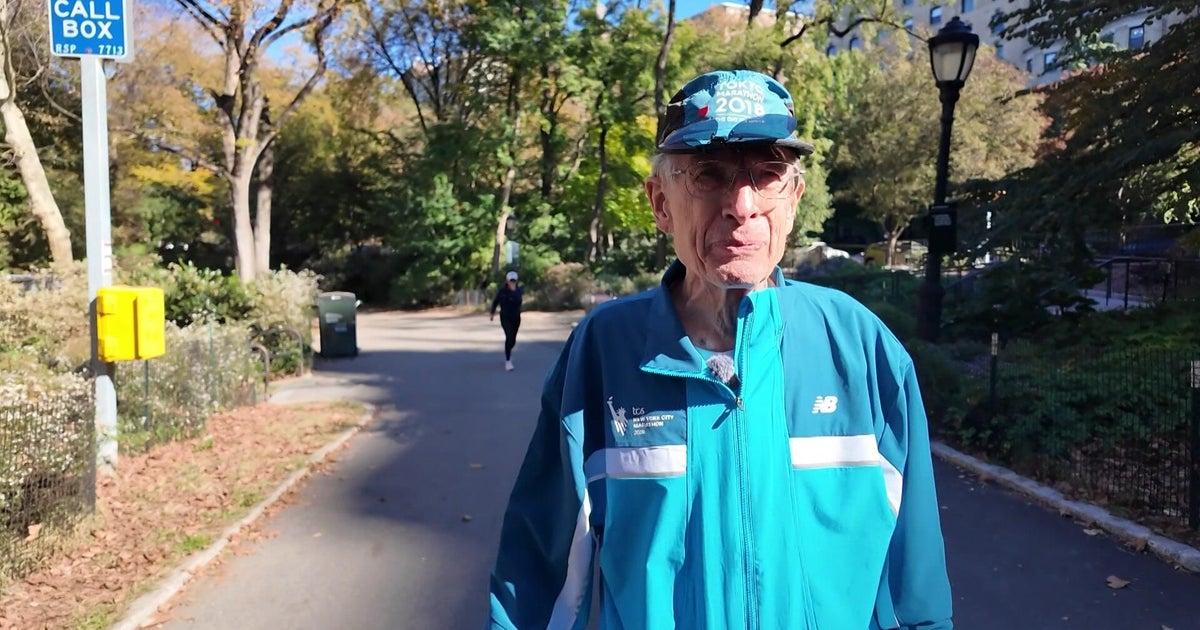
David Obelkevich: New York Road Runners Say He’s Only Person to Finish Every NYC Marathon Since 1976
Fewer than one percent of the global population has ever run a marathon since the year 2000, according...

Autism and Menopause: Study Finds More Severe Symptoms and Lower Quality of Life
Aging brings unwelcome disruptions for nearly everyone, but the routine-dependent adjustments required during midlife can trigger profound distress...