Bermudian entrepreneurs met with international venture-capital specialists at the Qodeo Global Democratising Venture Summit to address systemic barriers in seed money procurement, the Royal Gazette reported.
The Venture Capital Intelligence Brief:
- The Connectivity Gap: While talent is considered evenly distributed, capital and knowledge networks remain concentrated, creating a high barrier to entry for diverse founders.
- The Scaling Metric: Qodeo’s platform currently facilitates connections between more than 20,000 entrepreneurs and over 7,400 investors globally.
- Strategic Diversification: The summit focused on improving capital access for Black, female, and senior investors to drive broader economic growth.
Bridging the Capital Network Divide
The summit, held at the Royal Bermuda Yacht Club, functioned as a high-level matchmaking environment designed to bridge the gap between local innovation and global liquidity. A central theme of the discussions was the reality that many founders struggle to secure the initial stages of funding necessary to move from concept to scale.
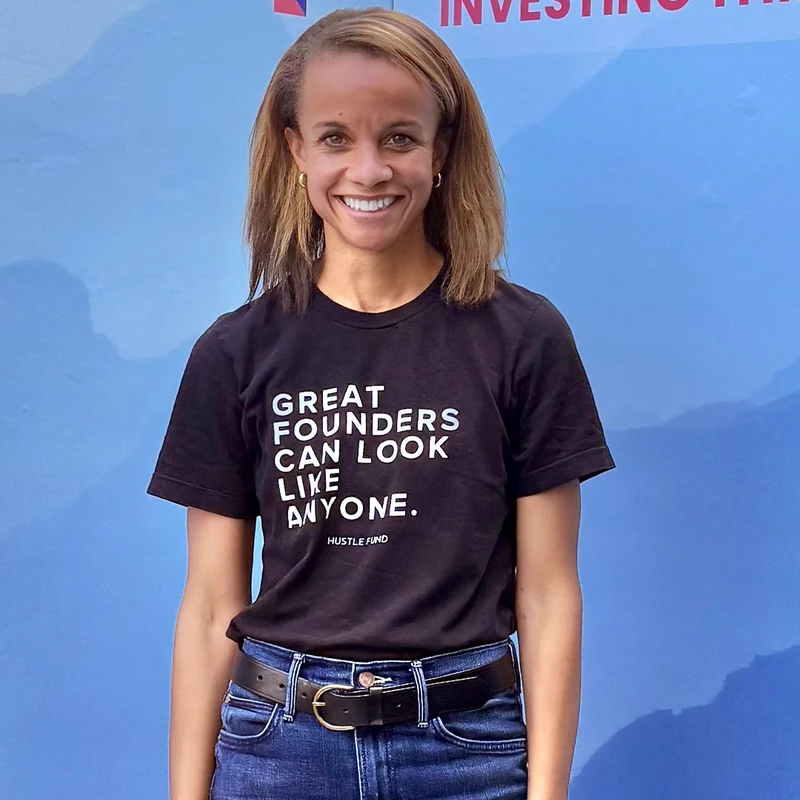
Haley Bryant, a partner at California-based Hustle Fund, highlighted the structural imbalance currently defining the startup ecosystem. “We all know that talent is evenly distributed, but capital and knowledge networks are not,” Bryant said during the event.
This lack of network density often forces high-potential companies to struggle with liquidity during critical growth phases. For the American consumer and the broader economy, these bottlenecks can delay the arrival of innovations in essential sectors like healthcare, education, and climate technology.
Identifying Venture-Backable Models
A critical component of the summit involved teaching founders how to distinguish between different paths to capitalization. Zakiya Alta-Hill Lee, a North Carolina-based entrepreneur and venture-capital professional, said founders must align their strategies with investor expectations.
Lee noted that not every successful business requires the high-octane growth typical of venture capital. “I want founders to understand if they are a venture-backable company or if they’re not,” Lee said. “If they’re not, that doesn’t mean they’re not a great company that can create high returns and generational wealth, and create jobs — they absolutely can.”
She warned that pursuing the wrong type of funding can result in significant time loss for founders. According to Lee, identifying the correct mechanism—whether it is bootstrapping, angel investors, or traditional venture capital—is essential for long-term sustainability.
The discussion also touched on local resources within Bermuda, including the Bermuda Economic Development Corporation (BEDC) and the entrepreneurial accelerator, Ignite Bermuda, which serve as foundational support for small-scale startups.
The Macroeconomic Impact of Entrepreneurship
Beyond individual company success, the summit framed entrepreneurship as a primary driver of macroeconomic stability and job creation. Dame Anne Glover, chief executive and cofounder of Amadeus Capital Partners, argued that the exchange of knowledge between regions is vital for economic health.
“Entrepreneurship is the way to help an economy grow and to provide good value jobs and to make an impact on the world. So entrepreneurship is really the source of so many of the solutions to today’s problems.”
Glover, who has served on the Court of the Bank of England, noted that the value of these summits lies in person-to-person relationship building, which she argued is more effective than purely digital interactions for fostering trust between investors and entrepreneurs.
For the average person, the successful scaling of these startups translates to more diverse job markets and the deployment of new technologies that address systemic issues in finance and infrastructure. When capital reaches underserved founders, it expands the total addressable market for innovation, creating a multiplier effect on local economies.

Institutional Expertise Drives Venture Capital Democratization
The summit featured a heavy concentration of institutional expertise, including speakers like Jack Conway from the British Consulate in Boston and various Bermudian officials. This presence indicates a growing interest from both public and private sectors in formalizing the “democratization” of venture capital.
The Qodeo platform, which hosts the summit, operates as a subscription-based fintech model. By connecting a massive pool of 20,000 entrepreneurs to 7,400 investors, the platform aims to reduce the friction and information asymmetry that typically prevents diverse founders from accessing seed capital.
As institutional investors look for the next wave of growth, the ability to tap into “non-traditional” networks is becoming a key competitive advantage. The focus on health, education, and climate sectors suggests that smart money is increasingly looking toward high-impact, essential-service technologies to hedge against broader market volatility.

The summit concluded with discussions on the specific strengths of the Bermudian ecosystem, involving participants such as Jason Hayward, Minister of Economy and Labour, and Erica Smith, executive director of the BEDC.
Venture capital is moving toward more inclusive, data-driven matchmaking, as the industry recognizes that untapped talent pools represent uncaptured alpha.
Disclaimer: The information provided in this article is for educational and market analysis purposes only and does not constitute financial, investment, or legal advice. Always consult with a certified financial professional before making investment decisions.
Keep reading

No. 2 Utah Faces No. 22 Arizona in Big 12 Primetime Matchup
Utah heads to Tucson with undefeated record The No. 2 ranked Utah football team travels to face No....

Researchers Propose Warrant Requirements for Seattle Crime Surveillance
Researchers auditing Seattle’s Real Time Crime Center have proposed 19 recommendations designed to implement stricter oversight and guardrails...

Vermont Men’s Hockey Returns to National Rankings After Strong Start
The University of Vermont men's hockey team has earned the No. 20 spot in the U.S. College Hockey...

Mizzou Requests Formal SEC Review of Officiating Following Loss to Texas
Mizzou Athletics has requested a formal review from the Southeastern Conference regarding officiating during Saturday's 34-20 loss to...