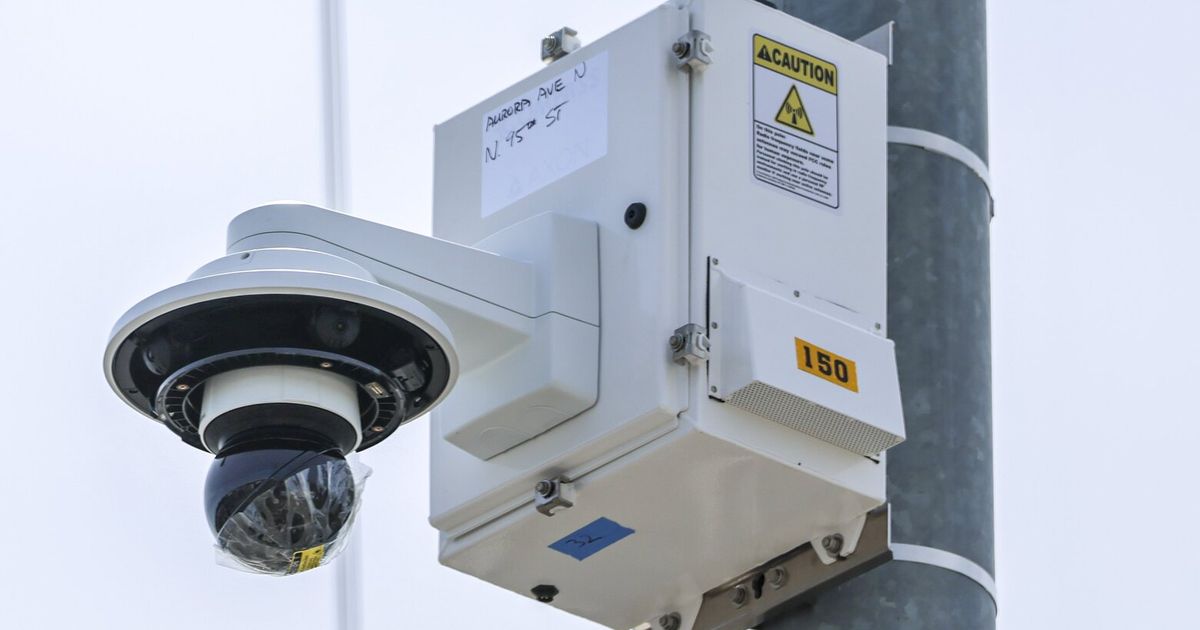
Researchers auditing Seattle’s Real Time Crime Center have proposed 19 recommendations designed to implement stricter oversight and guardrails around police surveillance in the city.
The findings, reported by The Seattle Times, suggest significant changes to how the city monitors public spaces. Among the most prominent proposals is a requirement for officers to obtain a warrant before tracking individuals through the surveillance system.
The audit focuses on the Real Time Crime Center pilot program, which launched last year. This initiative currently utilizes police surveillance cameras installed in three specific geographic areas: downtown Seattle, the Chinatown International District, and Aurora Avenue North.
To increase transparency, the researchers also recommended the launch of a public dashboard. This tool would show the public when and how the surveillance program is being utilized by law enforcement.
The push for these protections comes as cities across the country grapple with the balance between public safety technology and civil liberties. The audit’s focus on warrants and public-facing data addresses the fundamental question of how much visibility citizens should have into the digital eyes watching their streets.

Implementing a public dashboard would provide a layer of accountability that currently does not exist for the pilot program. By detailing the frequency and nature of surveillance use, the city could theoretically allow for community oversight of the technology’s deployment.
The debate over such technology often pits the immediate needs of crime prevention against long-term privacy concerns. Proponents of the Real Time Crime Center argue that real-time camera access provides critical intelligence during active investigations, while critics argue that without strict judicial oversight, such systems risk becoming tools for warrantless mass surveillance.
The proposed 19 recommendations represent a structured attempt to codify the limits of the pilot program’s reach. If adopted, the requirement for warrants would move the program away from a model of broad, discretionary monitoring toward a more targeted, legally sanctioned approach.
The current footprint of the program remains concentrated in high-traffic and high-activity corridors, specifically targeting the downtown core, the Chinatown International District, and Aurora Avenue North.
Keep reading

No. 2 Utah Faces No. 22 Arizona in Big 12 Primetime Matchup
Utah heads to Tucson with undefeated record The No. 2 ranked Utah football team travels to face No....
Qodeo Global Summit Connects Bermuda Entrepreneurs With Venture Capital
Bermudian entrepreneurs met with international venture-capital specialists at the Qodeo Global Democratising Venture Summit to address systemic barriers...

Vermont Men’s Hockey Returns to National Rankings After Strong Start
The University of Vermont men's hockey team has earned the No. 20 spot in the U.S. College Hockey...

Mizzou Requests Formal SEC Review of Officiating Following Loss to Texas
Mizzou Athletics has requested a formal review from the Southeastern Conference regarding officiating during Saturday's 34-20 loss to...