
Record-breaking high tides have inundated low-lying communities across the California coast this week, submerging homes, businesses, and critical transportation corridors from San Diego to the San Francisco Bay Area. The surge has forced residents in Marin County to commute via kayak and paddleboard through flooded thoroughfares, while emergency crews rescued drivers from floating cars, according to reporting from The Guardian.
This isn’t just a bit of seasonal splashing. We are seeing a collision of several rare oceanic events that have pushed water levels to all-time highs. In San Diego and near Los Angeles, tides climbed above 8 feet, while San Francisco broke its October record on Wednesday—just one day after setting a previous record. The National Weather Service has issued a broad range of flood advisories and warnings, noting that critical infrastructure and low-lying properties will likely remain inundated through the end of the week.
The science behind the surge
To understand why the water is behaving this way, you have to look at what’s happening beneath the surface. Climate scientist Daniel Swain explained in a Tuesday briefing that this isn’t a single event, but a “layering” effect. First, there is the baseline of higher sea levels caused by the human-driven climate crisis. On top of that, a record-breaking oceanic heatwave has caused thermal expansion—essentially, as the water warms, it takes up more space.
Adding to the chaos is a coastally trapped Kelvin wave. This is a massive band of warm water that has crept across the Pacific and pushed up against the North American shoreline. When you combine these factors with a strengthening El Niño, the result is a coastline that can no longer hold the tide back.
“What we are seeing now could be the beginning of what could be significantly more disruptive conditions later this year,” climate scientist Daniel Swain said.
A pattern of extreme inundation
For Southern California, this isn’t a one-off disaster; it’s a relentless autumn. According to NOAA records, Los Angeles has already logged 12 coastal flood days in 2026. That number outpaces any other year in the last five decades, and there are still several months left in the calendar year.
The human cost is becoming visible in the infrastructure. In Newport Beach, seawater seeped through sandbag blockades, seawalls, and berms. In Huntington Beach, the Pacific Coast Highway was forced to close in the Sunset Beach community on October 27. For the people living in these zones, the “nuisance flooding” label is becoming obsolete. When a bike trail between Sausalito and Mill Valley becomes a lagoon, the economic and civic stakes shift from inconvenience to systemic failure.
The risk of the ‘Perfect Storm’
Here is the part that should worry coastal residents: the floods seen this week weren’t even “king tides.” King tides are the highest predicted tides of the year, and they are scheduled to arrive during the busiest holiday windows—specifically around Thanksgiving, Christmas, and again between January 20 and 23.
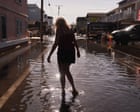
King tides typically add another foot or two of water. When that is stacked on top of the existing rise from El Niño and Kelvin waves, some areas could see sea levels 5 feet above average. If a severe storm hits during these windows, the result could be catastrophic.
The probability is high. NOAA outlooks indicate an 80% chance of high tide flooding in December for San Diego, La Jolla, Los Angeles, and Santa Monica. Communities as far north as the Canadian border are seeing a 60-80% risk.
The Economic Counter-Argument
While the environmental data is stark, there is often a tension between immediate climate adaptation and economic reality. However, as the frequency of flood days hits a 50-year high, the cost of “business as usual” is being paid in rescue missions and closed highways.
The current situation serves as a preview. As Daniel Swain noted, the risk of “stacking” these events—the king tide, the Kelvin wave, and a supercharged El Niño storm—is roughly 30-40% this winter. When those layers align, the water doesn’t just rise; it takes over.
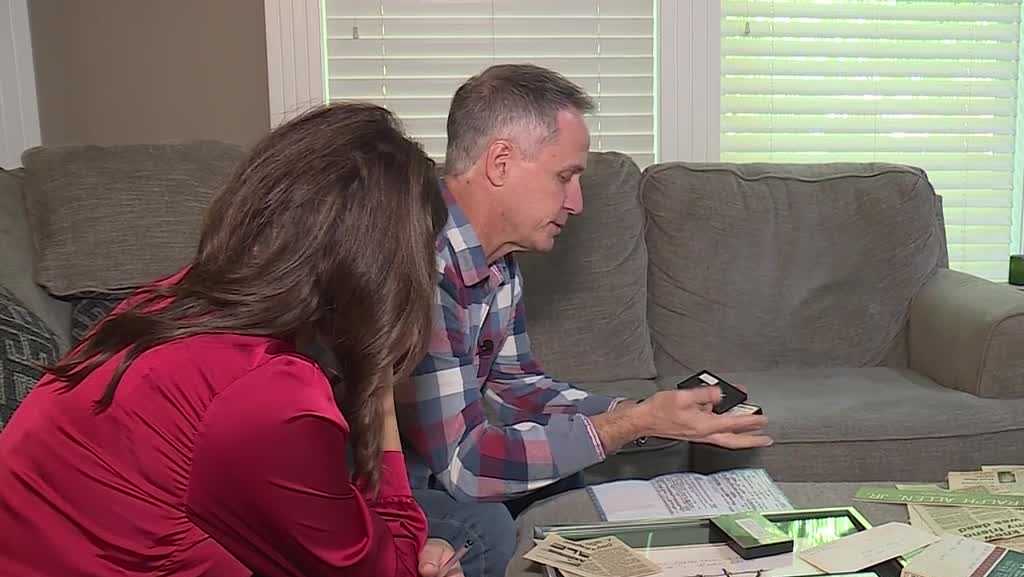
Kevin Patrick Allen Examines 1976 Wichita Sniper Attack in Film
"Everybody from that era is kind of their JFK or their 9/11." That is how Kevin Patrick Allen...

Iowa Pharmacy Worker’s License Revoked Over Alleged Pill Theft
168 tablets of alprazolam and 100 capsules of methylphenidate ER. Those are the numbers at the center of...

Army Expands Commercial Drone Testing to Two Indiana Military Sites
The U.S. Army is opening two Indiana military installations to private companies for the testing of drone and...
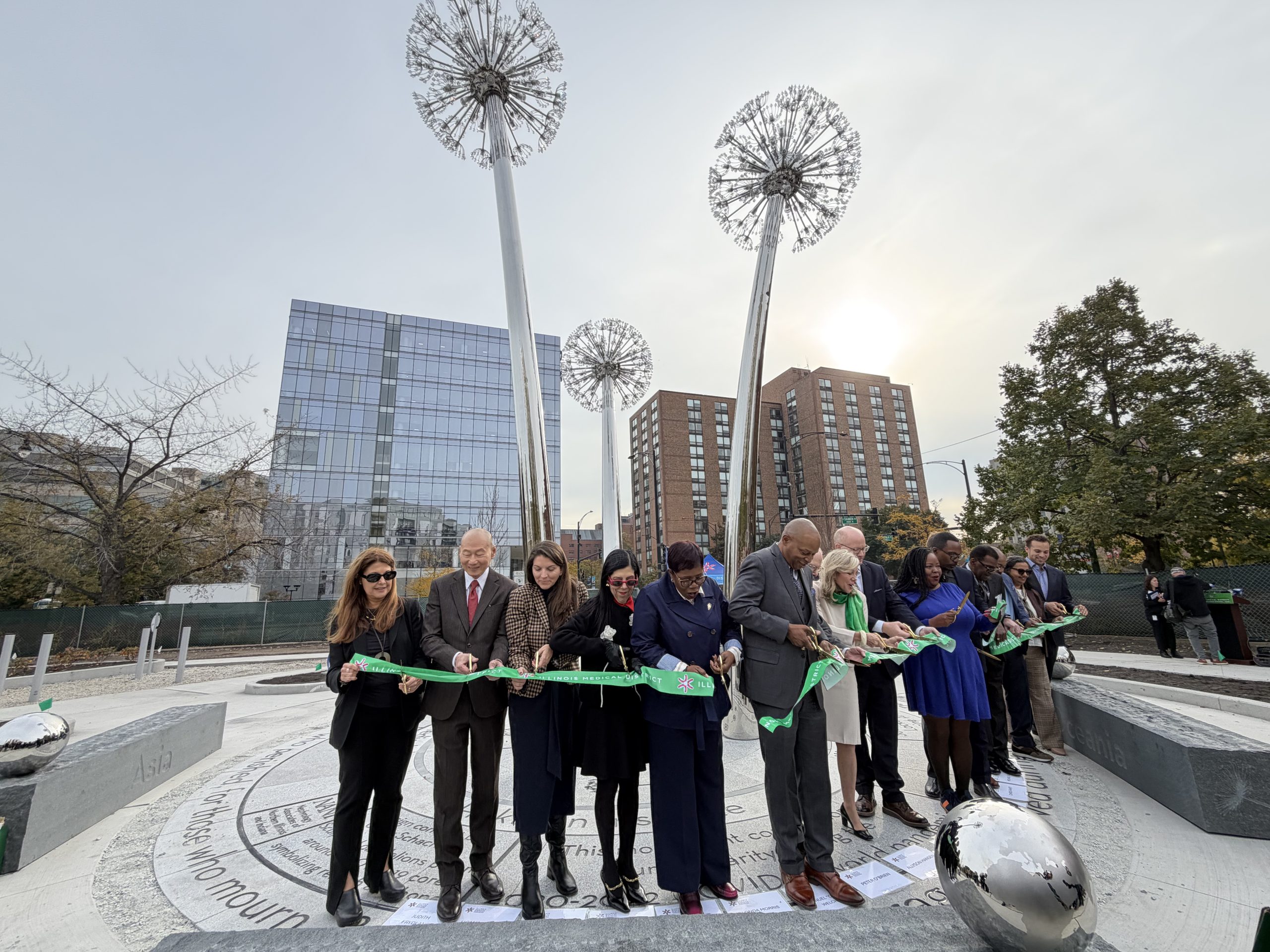
New COVID-19 Monument and Public Park Open in Illinois Medical District
A $4.95 million investment has transformed a one-acre triangle of land in Chicago's Illinois Medical District into a...