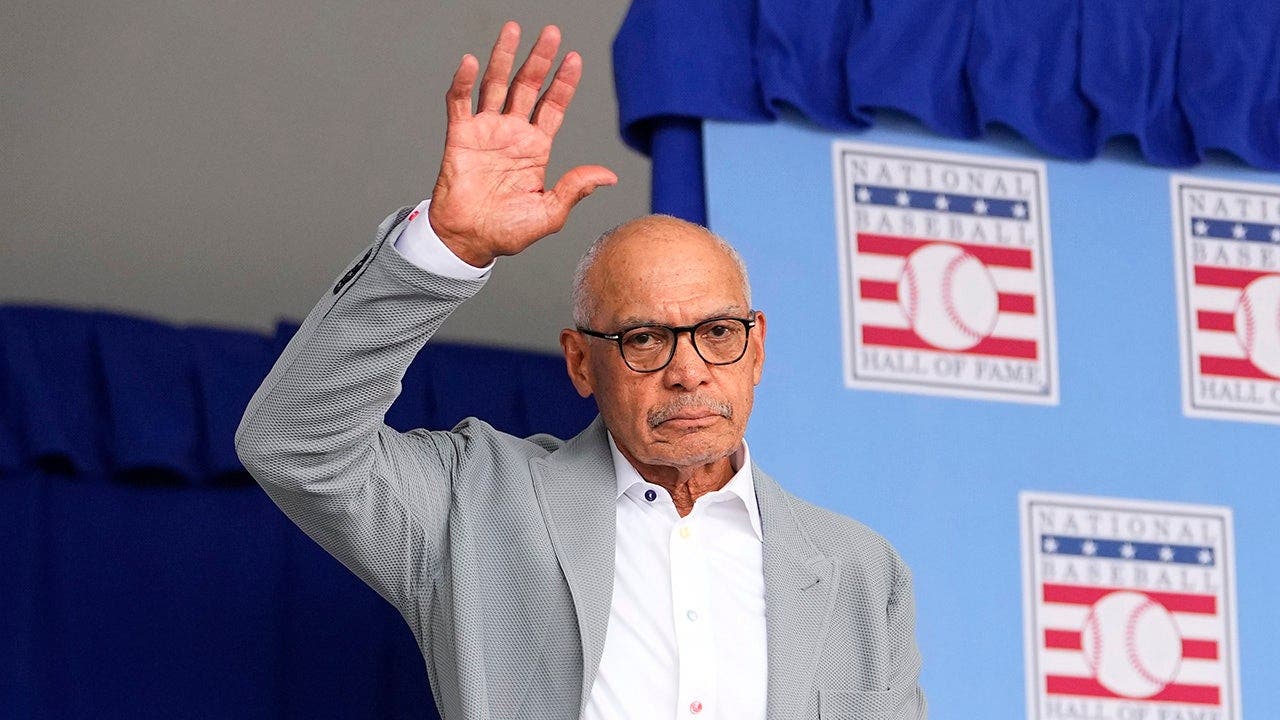
Reggie Jackson Confronts Pennsylvania Antisemitism
Baseball Hall stepped away from the sports page to address a sharp rise in regional prejudice, comparing current levels of antisemitism in his home state of Pennsylvania to the bitter racism he faced during the 1960s. Reggie Jackson shared his concerns on social media, linking to Anti-Defamation League data to highlight an increase in antisemitic incidents across Pennsylvania.
The numbers cited by Jackson point to a tangible escalation rather than an isolated issue. According to reporting from the Jerusalem Post, the Anti-Defamation League recorded 465 antisemitic incidents across Pennsylvania over the course of 2024. That total includes 189 incidents in Philadelphia and 51 in Montgomery County, where Wyncote, Jackson’s native hometown, is located.
For Jackson, those statistics are not abstract data points. They reopen memories of an era he knows intimately. “It takes me back to the racism I experienced in the 1960s: signs throughout the South declaring that Black people could be refused service, along with separate ‘white’ and ‘colored’ signs on bathrooms and drinking fountains,” Jackson wrote on social media. “I remember what that hatred looked and felt like. We cannot accept it in any form, directed at any people.”
Local Leadership and the Call for Accountability
Moving past historical comparisons, Jackson directly challenged civic authorities in the Philadelphia metropolitan area to alter their approach to public rhetoric. Pointing to the silence or hesitation of certain officials, he argued that unaddressed hostility eventually becomes normalized within communities.
“I wish I could be there to stand with those protesting HATE,” Jackson wrote. “I am asking elected officials and other leaders in Philadelphia: Where are the clear statements condemning antisemitism? When hateful language is excused or repeated, it can make hostility seem acceptable and deepen fear and division.”
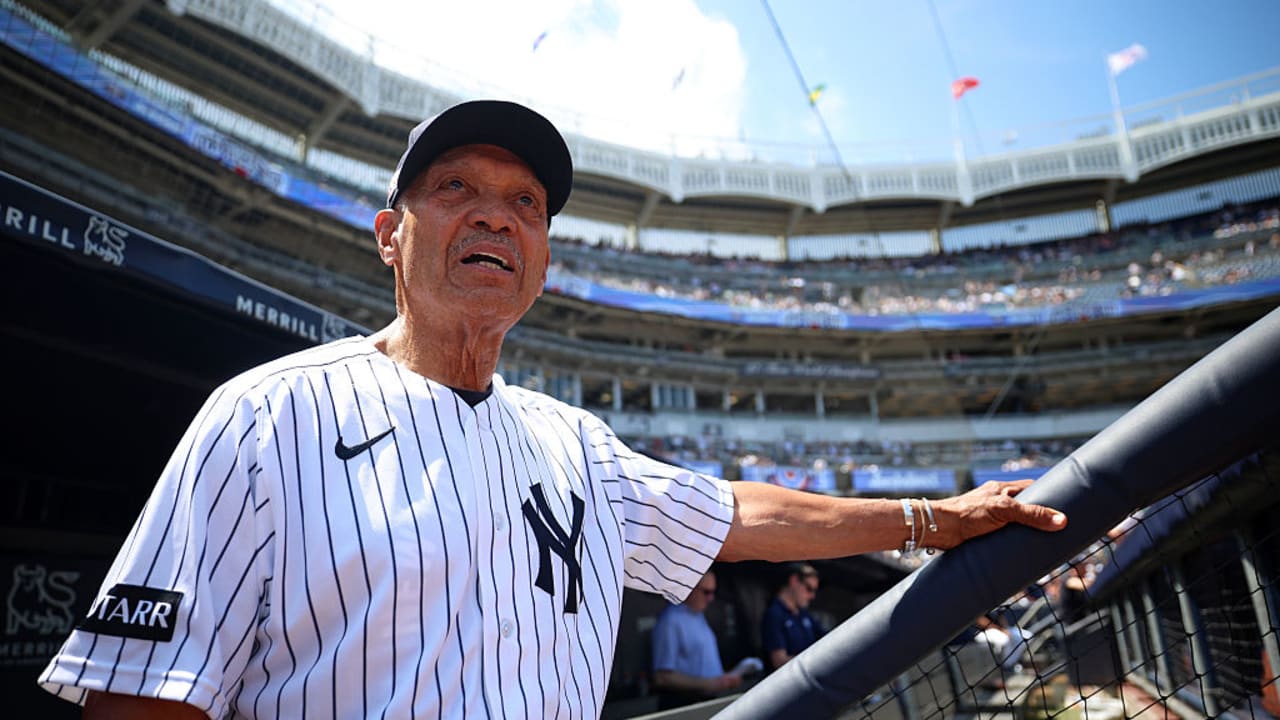
The Jerusalem Post noted that Jackson also referenced broader psychological research compiled by the ADL, emphasizing that the collateral damage of unchecked bias extends well beyond immediate targets. Exposure to chronic hostility correlates directly with diminished psychological well-being, fractured trust between demographic groups, and the entrenchment of rigid stereotypes. By framing the issue through this lens, the baseball legend placed the burden squarely on municipal leadership to establish a consistent, unambiguous baseline against all forms of bigotry.
A Lifetime Facing the Realities of Hatred
To understand the weight behind Jackson’s public statements, one must look at the foundation of his own lived experiences in American athletics. Long before earning the moniker “Mr. October" for hitting three home runs in Game 6 of the 1977 World Series to help the New York Yankees clinch the title against the Los Angeles Dodgers, Jackson faced the hostile conditions of the segregated Southern minor leagues.
It is heartbreaking to see antisemitism in my hometown. I was born in Wyncote, near Philadelphia, and it makes me angry and ashamed to see hatred tolerated there. The numbers show this is not an abstract concern. The Anti-Defamation League recorded 465 antisemitic incidents…
During Major League Baseball’s inaugural trip to Rickwood Field in Birmingham, Alabama, in 2024, Jackson opened up about the brutal reality of playing for the Birmingham Black Barons, a minor league affiliate of the Kansas City Athletics. He recounted walking into restaurants and hotels only to be turned away with explicit racial slurs. When invited to a welcome-home dinner at former Athletics owner Charlie Finley’s country club, he was met with the same vitriol.
Those barriers forced him to rely on teammates like Rollie Fingers, Johnny McNamara, Dave Duncan, and Joe and Sharron Rudy, on whose couches he slept for weeks at a time until threats forced him out. Having lived through that explicit exclusion, Jackson’s intervention in Pennsylvania carries the authority of someone who recognizes the early warning signs of systemic hostility.
Elected officials in Philadelphia have not yet issued formal responses to Jackson’s public challenge, leaving open the question of how local leadership will address the rising incident metrics heading into the municipal legislative cycle.
Keep reading
- LSU Student Honored Alongside Melania Trump for Foster Care Scholarship
- Microsoft Office 2024 Home License for $119.97 Offers Lifetime Access
- Melbourne Cup revellers confront rising interest rates and cost of living squeeze (newsarchyuk.com)
- Rising NHL Prospects Deliver Dominant Early Season Performances (world-today-news.com)
LSU Student Honored Alongside Melania Trump for Foster Care Scholarship
Tiger Stadium Recognition LSU junior Wynter Allen will be recognized alongside first lady Melania Trump on Saturday at...

Microsoft Office 2024 Home License for $119.97 Offers Lifetime Access
Microsoft Office 2024 Home is on sale for $119.97 through Nov.
Trump suggests inflation could help pay down U.S. national debt
Trump Warns Inflation Will Devalue U.S. National Debt President Donald Trump's time in the White House has historically...

Cheyenne Central Wins First Class 4A Girls Swimming State Title Since 2004
Cheyenne Central Wins First 4A Swimming Title Since 2004 Four wins helped the Cheyenne Central girls claim their...